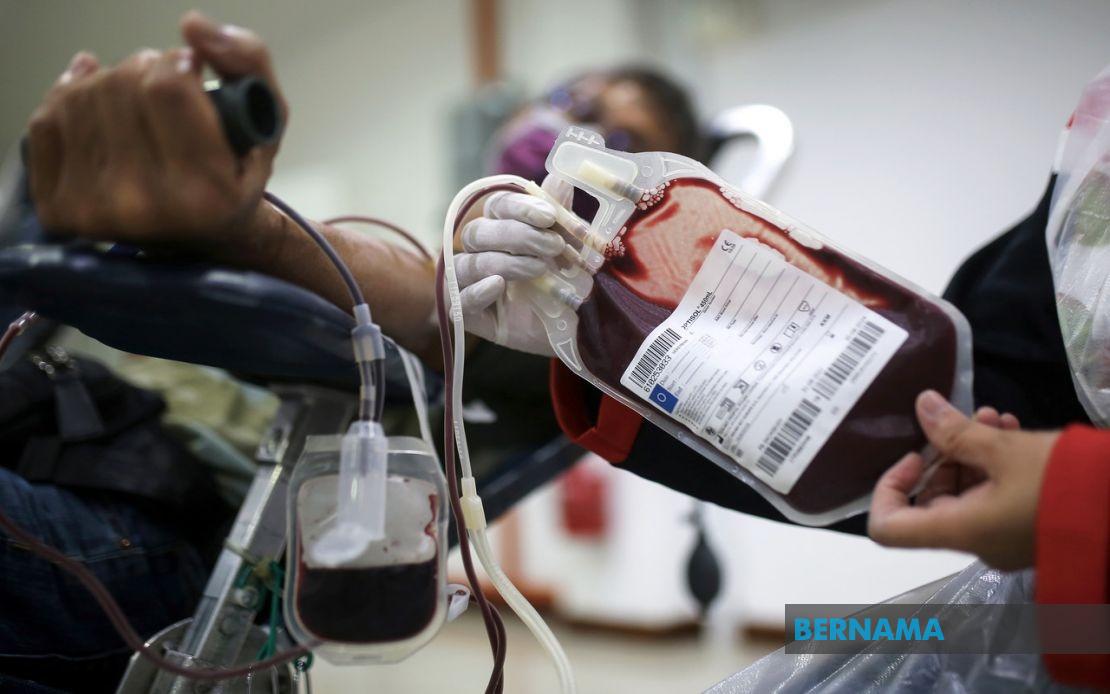
Malaysia's blood supply chain faces mounting pressure as Hospital Sultanah Aminah (HSA) in Johor Bahru has declared an urgent need for type O and AB blood donors, signalling that current reserves of both blood types have fallen to concerning levels. The hospital's Transfusion Medicine Department made the public appeal through social media, recognising that transparent communication with potential donors remains essential to maintaining adequate stocks during periods of high demand.
The situation at HSA reflects broader challenges within Malaysia's healthcare system, where blood supply management depends heavily on voluntary donation participation and seasonal fluctuations in donor turnout. Type O and AB blood types carry particular significance in transfusion medicine: type O serves as the universal donor and maintains the highest demand across emergency departments and surgical theatres, whilst type AB represents the rarest blood type and faces persistent supply difficulties despite lower overall demand volumes. When reserves of either type fall below operational thresholds, hospitals must implement contingency protocols that can affect scheduling of non-urgent procedures and limit flexibility in emergency response capabilities.
To address the shortage, HSA's Transfusion Medicine Department has directed prospective donors to consult the Johor Bahru Blood Donation Campaign Schedule page, which maintains updated information on available donation locations and operating hours. This centralised scheduling approach aims to streamline the donation process and reduce barriers for citizens willing to contribute to national blood reserves. The digital platform represents a practical acknowledgement that modern donors increasingly expect convenient, accessible information delivery channels when making decisions about healthcare participation.
The hospital has activated multiple donation venues operating through the weekend to maximise collection capacity. The Johor Blood Donation Centre, located at Mid Valley Southkey, commenced operations today and will continue through Sunday with extended hours from 10 am to 6.30 pm, providing substantial opportunity for working professionals and weekend volunteers to participate. This venue's accessibility within a major shopping complex potentially reaches a broader demographic than traditional hospital-based collection points.
Simultaneously, AEON Mall Bukit Indah has hosting a donation drive today, Saturday, and Sunday from 10 am to 3 pm, positioning blood collection within a high-traffic retail environment where potential donors already gather for shopping and leisure activities. Strategic placement of donation facilities within commercial centres reflects evolving approaches to healthcare access, converting routine consumer spaces into points of public health engagement. The reduced operating hours at this location compared to the Mid Valley Southkey centre reflect presumably different space allocations and staffing availability.
HSA's own Blood Donation Centre remains operational today and tomorrow from 8 am to 4.30 pm, maintaining the institution's direct collection capacity whilst supplementing the external venue operations. This multifaceted approach demonstrates coordinated resource mobilisation aimed at capturing donations across diverse community segments and geographic zones within Johor Bahru. The staggered scheduling across venues and timeframes allows HSA to distribute donor flow across collection points, preventing bottlenecks whilst maintaining operational efficiency at individual sites.
The appeal arrives during a period when many Malaysian healthcare institutions regularly experience supply pressures, particularly as emergency room admissions and surgical caseloads fluctuate seasonally. Blood shortages can create cascading effects throughout hospital systems, forcing clinicians to defer elective procedures, potentially prioritise certain patient categories, and exercise greater conservation in transfusion protocols. The proactive nature of HSA's public communication reflects institutional awareness that transparent appeals often generate stronger donor response than silent crisis management.
For Malaysian donors, understanding which blood types remain critical helps align individual altruistic impulses with genuine institutional needs. Type O donors occupy special significance in the voluntary donation ecosystem because their universal compatibility means their contribution directly addresses whichever shortage emerges most acutely. Conversely, type AB donors, though less numerous, provide irreplaceable resources for the small patient population requiring their specific blood type, making their contributions particularly valuable despite lower frequency of need.
The HSA initiative underscores ongoing vulnerabilities within Malaysia's blood supply infrastructure that extend beyond Johor Bahru. National blood supply security depends fundamentally on sustained voluntary participation across diverse demographics, requiring healthcare institutions to maintain continuous public engagement and donor recruitment efforts. Gaps in supply, particularly for critical types like O and AB, ripple through the entire healthcare system and ultimately affect patient outcomes across emergency medicine, surgery, obstetrics, and trauma care.
Prospective donors responding to HSA's appeal should prepare appropriate documentation, including identification and basic health screening information, to expedite the collection process at designated venues. The hospitals' extended weekend hours and multiple locations demonstrate institutional commitment to removing practical obstacles for willing participants. Community responsiveness to such appeals reflects broader social responsibility values and directly impacts the hospital's capacity to deliver optimal care to patients requiring transfusion support.

