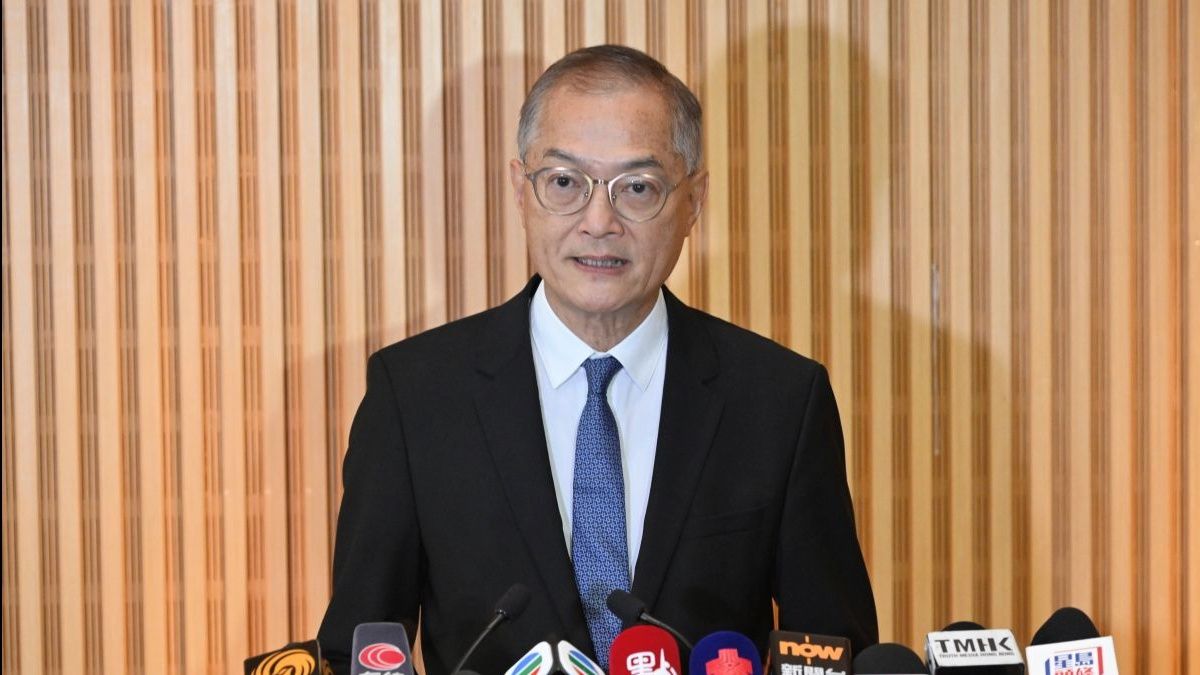
Hong Kong's government has initiated a comprehensive review of its regulatory framework for reporting incidents involving reproductive medicine following the bungled handling of embryo samples at a local fertility clinic. Health Secretary Lo Chung-mau announced the review on Wednesday after the Council on Human Reproductive Technology, the statutory body responsible for overseeing in vitro fertilisation practices, revealed that HEAL Fertility had mishandled embryo biopsy specimens belonging to two separate patients—a discovery that has raised serious questions about laboratory protocols and transparency standards across the sector.
The incidents came to light when a laboratory operated by the Chinese University of Hong Kong at Prince of Wales Hospital in Sha Tin conducted routine genetic verification of embryo samples submitted by the clinic. The verification process, which is a standard quality assurance measure, revealed a stark reality: in the first case, genetic testing showed that six out of seven embryo biopsy samples did not match the genetic profiles of their intended parents. The second case was equally troubling, with both of the two samples tested being genetically unrelated to the parents who believed them to be theirs. These findings represent a fundamental breach of patient trust and procedural integrity in one of medicine's most sensitive specialties.
What has particularly alarmed regulatory authorities and drawn criticism is the significant time gap between the clinic's discovery of the problem and its official notification to the government. HEAL Fertility became aware of the first incident on May 26 and the second on June 4, yet preliminary investigations conducted by Department of Health officials established that the clinic never reported either matter to the Department of Health during this critical window. The clinic did not formally notify the Council on Human Reproductive Technology until June 17—a delay of approximately three weeks in the first instance and thirteen days in the second. Health Secretary Lo acknowledged during his Wednesday statement that this notification timeline was "not very ideal," an understated characterization of what many consider a serious lapse in transparency.
The regulatory response has been swift and consequential. The Department of Health's Office for Regulation of Private Healthcare Facilities, after receiving the council's referral on July 3, determined that the embryo sample misidentification constitutes what is classified under existing guidelines as a "serious untoward event." According to the Code of Practice for Day Medical Centres, such incidents must be reported to authorities within twenty-four hours. HEAL Fertility's failure to meet this requirement has been formally classified as a violation, and health authorities have issued a regulatory notice requiring the clinic to submit a comprehensive investigation report within four weeks. This report must detail the root causes of both incidents and outline the corrective measures the clinic intends to implement.
The delayed reporting has triggered a parallel criminal investigation. The Department of Health formally handed the case to police on Monday, though a police spokesperson indicated that no arrests have been made at this early stage. Meanwhile, Health Secretary Lo stated that the government would await separate investigative reports from multiple sources—the police, the Council on Human Reproductive Technology, and HEAL Fertility itself—before determining what systemic changes should be mandated across Hong Kong's reproductive medicine sector. This multi-pronged investigation reflects the complexity of establishing accountability when medical procedures intersect with regulatory compliance and potential criminal negligence.
In response to the crisis, HEAL Fertility issued an apology to the affected clients on Tuesday evening and announced the formation of an internal task force charged with reviewing operational procedures across the clinic. The clinic has invited patients who harbour concerns about specimen identity to undergo genetic testing at the clinic's expense for verification purposes, an offer that underscores the fundamental anxiety these mix-ups have created among clients who have entrusted the clinic with their reproductive futures. However, the regulatory response has extended beyond voluntary measures: authorities have suspended fourteen of the clinic's seventeen service offerings, permitting only three storage-related services to continue operating. This near-total suspension represents a severe operational restriction that will likely force affected patients to transfer their care elsewhere.
The incident illuminates a critical gap in Hong Kong's medical governance framework. While existing regulations mandate reporting of serious adverse events within twenty-four hours, the HEAL Fertility case reveals that the actual enforcement of these timelines depends on the clinic's own compliance—a reactive system rather than a proactive monitoring structure. The Council on Human Reproductive Technology conducts inspections and investigations, but the HEAL Fertility case suggests that the verification procedures at external laboratories, such as the one at Prince of Wales Hospital, may serve as a crucial fail-safe mechanism that can detect problems the primary clinic might otherwise conceal. This highlights the need for clearer protocols regarding inter-institutional communication when laboratory verification identifies discrepancies.
From a Southeast Asian perspective, the Hong Kong case carries significant implications for Malaysia and other regional jurisdictions with expanding assisted reproductive technology sectors. Malaysia's own fertility clinics operate under guidelines established by the Malaysian Medical Council and various state regulatory bodies, but a comparison reveals that different regulatory approaches exist across the region. The Hong Kong incident underscores the importance of robust external verification mechanisms, clear mandatory reporting timelines with real consequences for non-compliance, and inter-departmental coordination between health regulators and law enforcement when serious patient safety concerns emerge. These elements should form the foundation of any comprehensive regulatory regime governing reproductive medicine.
The broader question that the HEAL Fertility affair raises concerns the adequacy of current disclosure mechanisms for reproductive technology incidents across developed healthcare systems. Despite Hong Kong's reputation for efficient governance and rigorous medical standards, this case demonstrates that regulatory gaps can persist even in well-established healthcare frameworks. The Council on Human Reproductive Technology has investigated multiple rounds of enquiries into the incidents following the June 17 notification, suggesting that initial reporting triggered a thorough examination, yet the initial delay occurred because the clinic failed to report promptly. This paradox suggests that regulatory reform must focus not merely on investigating incidents after they are reported, but on creating enforceable mechanisms that compel immediate reporting before regulatory authorities even become aware that problems have occurred.
Looking forward, Health Secretary Lo's commitment to review the reporting mechanism suggests that Hong Kong will likely introduce strengthened disclosure requirements for reproductive medicine practitioners. These reforms may include shorter reporting windows, clearer definitions of events requiring notification, enhanced penalties for non-compliance, and possibly mandatory reporting by external laboratories directly to regulators when verification procedures reveal significant discrepancies. The specificity of the existing regulatory framework will be tested against the political and professional pressure emerging from this high-profile case. For Malaysian stakeholders in the fertility sector, monitoring how Hong Kong refines its approach will provide valuable insights into regulatory best practices that could inform future policy development in Malaysia and throughout Southeast Asia.

