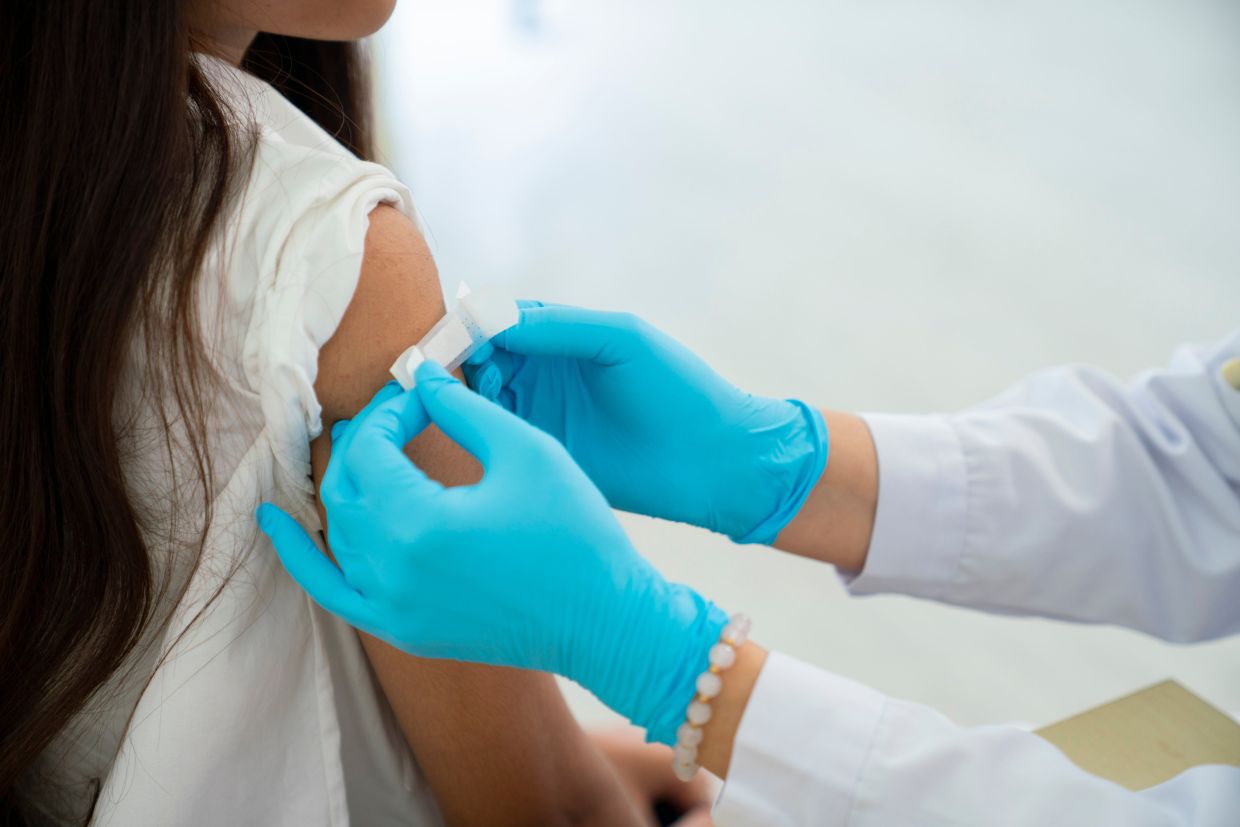
Hong Kong health authorities have moved to reassure parents and reinforce confidence in the city's well-established vaccination system following major changes to immunisation policies in the United States. The Centre for Health Protection issued a statement defending the scientific rationale behind Hong Kong's comprehensive childhood immunisation programme, stressing that any alterations to vaccination schedules must rest on solid medical evidence rather than political considerations or parental preference alone.
The backbone of Hong Kong's approach remains the Childhood Immunisation Programme, which mandates protection against 11 communicable diseases from infancy through Primary Six. These include tuberculosis, poliomyelitis, hepatitis B, diphtheria, pertussis, tetanus, pneumococcal infection, chickenpox, measles, mumps and rubella. Beyond these core requirements, eligible primary school girls have access to human papillomavirus vaccinations designed to prevent cervical cancer, reflecting the programme's broader preventive health strategy. This layered approach has created one of Asia's most protected child populations, with consistently high immunisation coverage translating into exceptionally low disease incidence rates.
The timing of Hong Kong's statement reflects mounting international tensions over vaccination policy. US President Donald Trump signed an executive order on Monday that fundamentally restructures America's immunisation framework. Rather than recommending universal childhood vaccination, the order narrows eligibility for vaccines against respiratory syncytial virus monoclonal antibodies, hepatitis A, hepatitis B, meningococcal B, meningococcal ACWY, and dengue to only those deemed high-risk. The directive goes further by instructing federal authorities to challenge existing state laws requiring school-age children to be vaccinated before attending educational institutions, citing concerns about parental authority, religious liberty, disability accommodations, and equal protection principles.
This ideological clash between disease prevention and parental autonomy represents a significant departure from decades of American public health consensus. Hong Kong's response underscores how differently the region has approached immunisation governance. Rather than framing vaccination as primarily a matter of individual choice or parental rights, Hong Kong's health establishment positions it as a collective responsibility grounded in epidemiological necessity. Centre controller Dr Edwin Tsui Lok-kin acknowledged parental concerns whilst emphasising that high immunisation coverage depends on sustained public confidence in scientific institutions and medical professionals.
The contrast becomes even more pronounced given recent domestic developments in Hong Kong itself. Last month, parents of a child placed under Social Welfare Department guardianship sought a High Court writ of habeas corpus specifically to challenge the department's decision to vaccinate the boy, nicknamed Danny, against their express wishes. The parents characterised the vaccination arrangement as an unwanted medical intervention, framing it as an assault on parental authority. This case exemplifies how vaccination debates have begun penetrating Hong Kong's legal system, mirroring broader global disputes over bodily autonomy and state power.
Yet the Centre for Health Protection's statement maintains an unwavering position: delaying vaccinations necessarily reduces children's protection against infectious diseases that remain genuine threats. This reasoning reflects epidemiological realities particular to Hong Kong and the wider region. While measles, mumps and rubella may seem like historical curiosities in wealthy Western nations, Hong Kong's position in Southeast Asia means these diseases remain potential importation risks. Similarly, dengue fever poses a concrete regional threat that vaccination schedules must address. Vaccination timing is not arbitrary; immunological development requires precise scheduling to ensure optimal antibody response and sustained protection through vulnerable developmental periods.
The government has also defended its use of combination vaccines, particularly those protecting against measles, mumps, rubella and varicella in a single injection. These products have undergone rigorous safety and efficacy testing and are deployed globally by major health systems. Beyond pure medical effectiveness, combination vaccines offer practical advantages: they reduce the number of injections children endure and substantially lower the risk that parents might miss scheduled doses. This practical dimension matters considerably in real-world immunisation campaigns, where vaccine hesitancy and appointment scheduling challenges represent major obstacles to achieving high coverage rates.
For Malaysian readers and other Southeast Asian observers, Hong Kong's stance carries instructive significance. The region faces similar epidemiological profiles, with endemic diseases like dengue affecting multiple countries. As anti-vaccination sentiment grows globally, driven partly by misinformation and partly by philosophical objections to state health mandates, Asian health authorities must decide whether to follow Hong Kong's science-first model or accommodate growing demands for parental discretion. The stakes extend beyond individual child health outcomes; they encompass herd immunity thresholds necessary to prevent outbreaks that could overwhelm healthcare systems during seasonal peaks or in vulnerable populations.
The American executive order represents a strategic recalibration of vaccination policy toward a market-based, individual-choice framework. This approach assumes that parents, armed with information, will make optimal health decisions for their children. However, extensive behavioural economics research demonstrates that individual health decisions often diverge from population-level interests, particularly when vaccines target diseases that seem distant or absent from lived experience. Younger generations in wealthy countries have never witnessed measles deaths or polio paralysis, creating a false sense of safety that vaccination opponents exploit.
Hong Kong's reaffirmation of its vaccination programme amounts to a quiet but deliberate rejection of this American ideological turn. By grounding its defence in scientific evidence and epidemiological data, the city positions itself within the international mainstream of public health practice. The Centre for Health Protection's emphasis that "vaccination schedules should not be altered arbitrarily without reliable scientific data" serves as a direct counterpoint to politicised approaches that subordinate epidemiology to parental preference or religious conviction.
Looking forward, Hong Kong's approach will likely face increasing pressure as vaccine hesitancy spreads through digital networks across borders. The Social Welfare Department case demonstrates that resistance exists domestically, even within a city accustomed to deferring to expert authority. Health authorities must therefore balance scientific conviction with communication strategies that address parental anxieties without conceding ground on evidence-based policy. For the broader region, Hong Kong's stance offers a template: maintain scientific integrity whilst acknowledging that sustained vaccination coverage depends ultimately on parental trust in institutions and genuine engagement with community concerns about vaccine safety and necessity.

