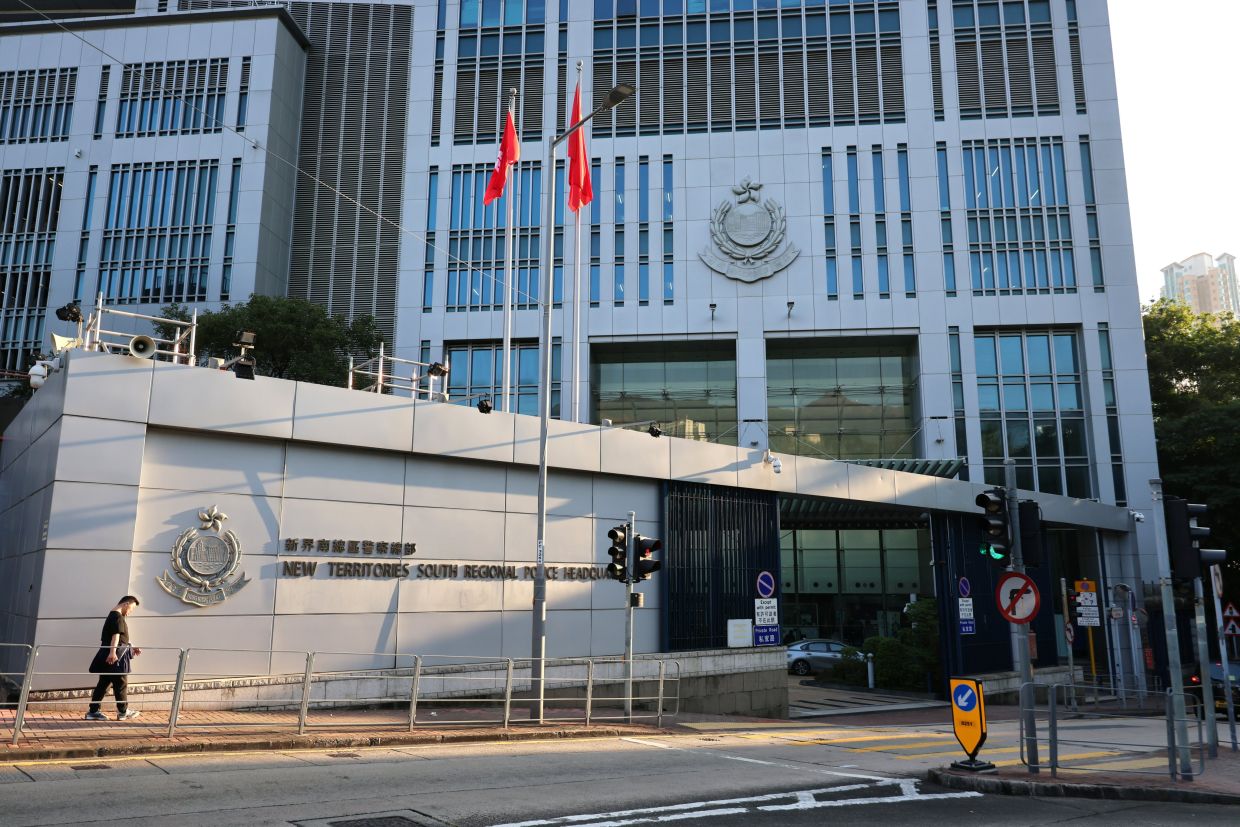
A serving Hong Kong police officer has been formally charged with misconduct in public office following allegations that he sent sexually inappropriate messages and images to a woman connected to a criminal case. The 32-year-old constable from Kwai Tsing police district was detained by officers from the New Territories South regional crime unit on August 20, with the charges confirmed through official police channels on Thursday.
The incident traces back to a criminal investigation initiated in May of the previous year. While conducting inquiries into that case, the officer allegedly contacted a friend of one of the suspects under investigation and proceeded to transmit indecent text messages and explicit images to her without consent. The nature of these communications represented a serious breach of professional boundaries and duty of care, raising concerns about the misuse of his official position to make inappropriate personal contact.
The woman who received the messages took action by lodging a formal complaint with police later that same month. Her willingness to report the conduct proved crucial in initiating the internal and external investigation that ultimately led to the charges. Police authorities subsequently conducted a thorough inquiry into the allegations, examining communications records and witness statements to establish the sequence of events and verify the claims against the officer.
The decision to charge the officer with misconduct in public office reflects the serious nature of the allegations and represents a significant step in holding law enforcement personnel accountable for their actions. This particular charge carries substantial legal consequences and signals that authorities view the behaviour as a fundamental breach of the public trust invested in police officers. The officer is scheduled to appear before magistrates at Sha Tin Court on Friday to answer the charge formally.
Pending his court appearance, the officer has been suspended from active duty, a standard precautionary measure in cases involving serious allegations of professional misconduct. The suspension removes him from frontline policing while the legal process unfolds, ensuring that no further contact occurs between the officer and the public or potential witnesses during this period.
The Hong Kong Police Force responded to the case through an official spokesman, emphasizing that the organization maintains strict standards regarding officer conduct. The force declared its commitment to investigating allegations thoroughly and dealing with any verified misconduct decisively, positioning itself as an institution that does not tolerate behaviour that violates public trust or breaches professional ethics. This public statement serves to reassure the community that internal discipline mechanisms function effectively when misconduct is reported.
The incident highlights ongoing challenges within police forces across the Asia-Pacific region regarding the conduct of individual officers and the institutional frameworks designed to prevent abuse of authority. The misuse of a police officer's position to make unwanted personal contact—particularly of a sexual nature—represents not merely individual misconduct but a potential erosion of community confidence in law enforcement institutions. In Hong Kong's context, where police-community relations remain sensitive due to recent political tensions, such cases attract particular scrutiny.
For Malaysian readers, the case underscores the importance of robust internal accountability mechanisms within regional police forces. While different jurisdictions maintain distinct legal frameworks and police procedures, the fundamental principle that law enforcement officers must operate within strict ethical boundaries transcends borders. Malaysian authorities periodically face similar allegations requiring investigation and disciplinary action, making this Hong Kong case instructive regarding best practices in handling officer misconduct.
The charging decision also demonstrates the critical role that public complaints play in maintaining police accountability. When members of the public report inappropriate conduct, they initiate processes that can protect others from similar behaviour and reinforce professional standards. The woman's decision to come forward—recognizing that accepting such messages silently might enable further misconduct—exemplifies the partnership between communities and police forces in upholding institutional integrity.
As the case proceeds through Hong Kong's court system, it will likely generate discussion about police training, supervision mechanisms, and the vetting processes that determine fitness for service. Questions may arise regarding whether existing protocols adequately prevent officers from using investigative access to obtain contact information for personal purposes, or whether supervision systems were sufficiently robust to identify problematic behaviour earlier.
The broader implications for regional law enforcement extend to professional development and institutional culture. Creating workplaces where misconduct is actively discouraged requires not only clear policies and consequences but also organizational cultures that reinforce ethical behaviour as central to policing's legitimacy. The Hong Kong Police Force's public statement affirming its commitment to standards suggests an awareness of these institutional imperatives, though the actual test of institutional culture lies in consistent application of accountability measures across all ranks and circumstances.

