Hong Kong police have arrested two men in connection with an elaborate phishing operation that victimised residents through fake delivery and payment platform messages, ultimately defrauding them of more than HK$500,000 (US$63,766). The suspects, aged 31 and 44, were taken into custody last Thursday on suspicion of conspiracy to defraud, with authorities announcing the case publicly on Saturday as they continued their investigation into the broader criminal network.
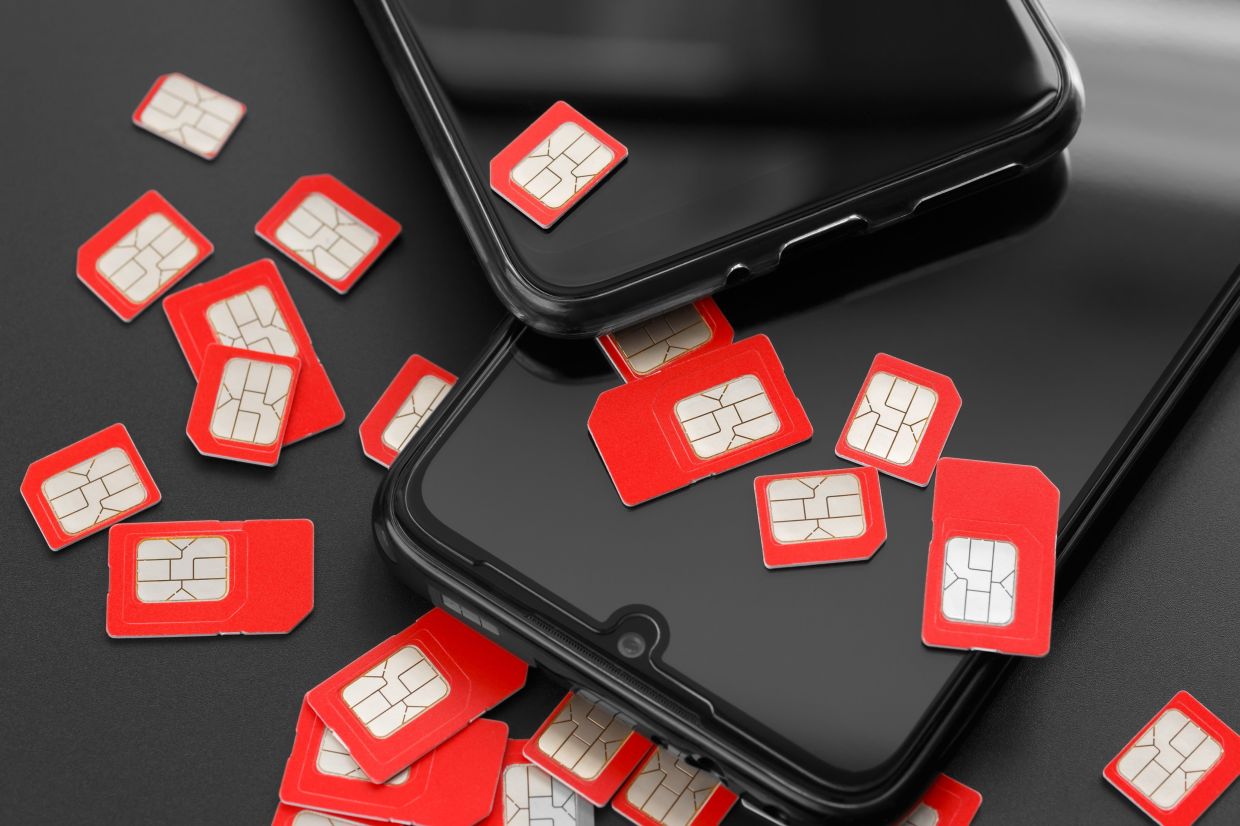
The operation exemplifies the evolving sophistication of cybercriminal tactics in Asia's financial hub. Rather than relying on traditional methods, the fraudsters employed an industrial-scale approach to deceiving victims. They obtained 110 SIM cards registered under various names, establishing what amounted to a mini call centre within a hotel room. This mobile-based infrastructure allowed them to send targeted phishing messages at volume whilst maintaining a degree of anonymity through the rotating use of multiple phone numbers.
Inspector Kwan Yat-hei of the fraud division under Hong Kong police's commercial crime bureau outlined how the scam operated. Victims received messages impersonating delivery company staff, informing them of undelivered packages, or posing as representatives from online payment platforms claiming outstanding insurance fees needed settlement. These false communications directed targets to call a fraudulent customer service hotline where accomplices would manipulate them into transferring money to predetermined bank accounts using various pretexts and social engineering techniques.
The technical infrastructure discovered during the arrests reveals the methodical planning behind the scheme. Officers located a modem pool—a sophisticated device enabling operators to control multiple SIM cards simultaneously—alongside nine mobile phones in the hotel room base. This equipment setup facilitated the dispatch of more than 2,000 suspected scam messages traced back to the operation, demonstrating the scale at which these criminals operated. The investigators' discovery of intercepted phone numbers linked to recently reported fraud cases helped connect the suspects to the broader theft.
The case highlights a critical vulnerability in Hong Kong's telecommunications infrastructure that extends throughout the region. Although Hong Kong implemented mandatory real-name registration for all SIM cards from March 2022 onwards, fraudsters circumvented this safeguard by persuading multiple individuals to register cards in their names. Inspector Kwan emphasised that SIM card holders who allow others to use their cards—whether through sale or lending—expose themselves to criminal liability. This warning carries particular weight for residents in Southeast Asia, where cross-border fraud rings often exploit lax enforcement of such regulations across different jurisdictions.
Malaysian authorities should take note of this case's implications. While Malaysia requires SIM card registration, enforcement mechanisms and inter-agency coordination between telecommunications providers and police remain inconsistent. The Hong Kong operation demonstrates how determined criminals can still establish substantial phishing networks despite registration requirements. Similar tactics have been deployed against Malaysian consumers, with fraudsters targeting e-commerce users and banking customers through SMS-based social engineering attacks.
The investigation remains ongoing, with police indicating that additional arrests are likely as they follow leads within the suspected criminal network. The pair currently in custody continue to assist investigators, though their level of cooperation remains undisclosed. The scale of identified losses—exceeding HK$500,000—may represent only a fraction of the operation's total impact, as authorities acknowledge that not all victims report such crimes due to shame or distrust of police.
Under Hong Kong's legal framework, conspiracy to defraud carries a maximum penalty of 14 years' imprisonment, positioning this as a serious criminal matter with substantial custodial consequences. This harsh sentencing reflects authorities' determination to deter such organised fraud operations. However, the case illustrates how difficult enforcement remains even with such penalties, as the criminal calculus clearly favoured the suspects when they established their operation.
For Malaysian and Southeast Asian residents, the incident offers practical lessons in digital hygiene and scepticism. Inspector Kwan's explicit warning against calling numbers displayed in suspicious messages applies universally—legitimately legitimate organisations do not solicit sensitive information or fund transfers via unsolicited SMS. The prevalence of these schemes across the region suggests that regional coordination on telecommunications fraud remains inadequate, leaving victims vulnerable to cross-border criminal enterprises that exploit regulatory gaps.
The case also underscores telecommunications companies' responsibility in monitoring for abuse. While companies argue that identifying fraudulent activity requires substantial investment in detection systems, the evidence accumulated in this case—2,000 scam messages traced to a single location—suggests that more rigorous pattern-matching could identify suspicious activity earlier. Enhanced cooperation between telecom operators and law enforcement, particularly sharing data on SIM card usage anomalies, could disrupt such operations before they accumulate massive victim rolls.
Beyond individual criminal prosecution, the operation raises questions about how organised these fraud rings have become across Southeast Asia. The professionalism evidenced by the hotel-based infrastructure, modem pools, and coordinated messaging suggests this was not opportunistic criminality but an established business model. Intelligence sharing between Hong Kong, Malaysia, Singapore, and other regional authorities remains essential to identify connections between apparently separate fraud operations and dismantle the supply chains that enable them.

