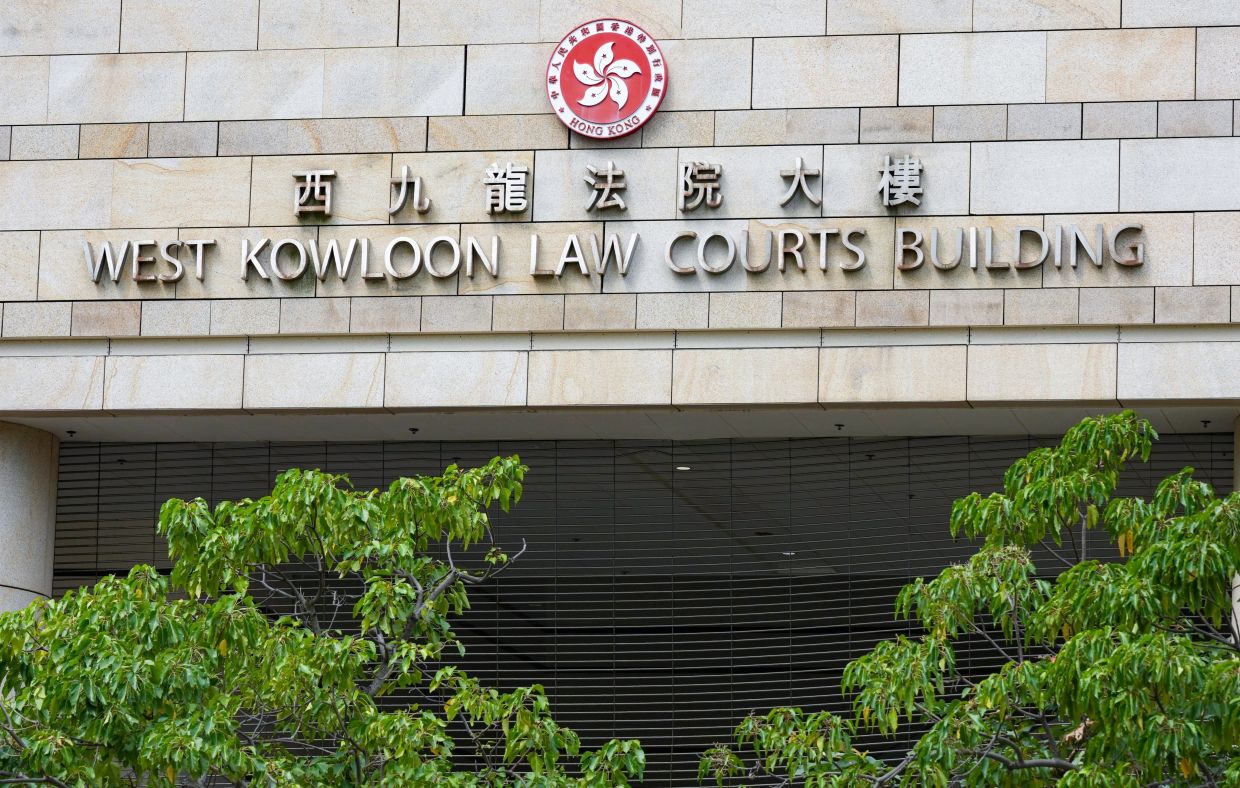
A 65-year-old Hong Kong man with a history of sexual violence has been sentenced to four months in jail after attacking a teenage schoolgirl aboard a public bus, an incident that drew public attention after video footage circulated on social media. West Kowloon Court handed down the sentence on Tuesday to William Wu Yiu-shing, a former hardware salesman, following his guilty plea to the indecent assault charge. The case underscores persistent concerns about public safety and harassment on Hong Kong's crowded transport systems, where commuters often find themselves in close quarters during peak hours.
The assault occurred on June 5 during midday when the KMB double-decker bus was navigating the busy intersection of Mong Kok Road and Sai Yeung Choi Street South. Wu, seated on the upper deck, reached forward to touch the 17-year-old Form Three student who occupied the row ahead of him. A pedestrian outside the vehicle captured approximately 37 seconds of footage showing Wu, dressed in a white tank top, making unwanted physical contact with the girl. The video was subsequently uploaded to online platforms, where it gained significant traction among users concerned about safety issues on public transport.
Witnesses on the street attempted to alert Wu to cease his behaviour, but the perpetrator appeared indifferent to their warnings and persisted even as the bus continued moving away from the intersection. The teenager, left traumatised by the experience, reported feeling her armpit touched and witnessing Wu attempting to grab her. The fear and shock of the moment prevented her from responding immediately, and she hastened home after exiting the vehicle. Her account to police later provided crucial corroboration of the video evidence and helped establish the deliberate nature of the assault.
Authorities apprehended Wu the same day when he arrived at the Hong Kong-Zhuhai-Macau Bridge border checkpoint, where he was attempting to cross into mainland China following his trip to Macau. Upon arrest, Wu acknowledged his actions and confessed that he had committed the offence to gratify sexual urges. His candid admission during questioning streamlined the legal process and contributed to the swift guilty plea entered the following month. The defendant has remained in custody from his prosecution on June 8, serving time ahead of his formal sentencing.
Wu's criminal history compounds the severity of his actions. He entered the courtroom with three prior convictions for indecent assault already on his record, establishing a troubling pattern of repeated sexual misconduct. This pattern raises critical questions about rehabilitation efforts and the effectiveness of previous sentences in deterring similar behaviour. His persistent offending despite prior brushes with the law suggests either inadequate rehabilitation programmes or a fundamental resistance to change that extends beyond conventional sentencing approaches.
The duty lawyer representing Wu sought to present mitigating factors before the court, emphasising that the defendant had openly acknowledged both his current wrongdoing and his previous offences. The legal representative highlighted Wu's stated willingness to undergo psychological treatment as part of his rehabilitation programme, positioning such therapeutic intervention as evidence of genuine intent to address underlying behavioural issues. Such willingness, while potentially encouraging, must be viewed sceptically given his history of reoffending despite prior convictions and presumed previous rehabilitation attempts.
The sentencing reflects judicial consideration of multiple factors within the legal framework governing such offences. Indecent assault under Hong Kong law carries maximum penalties of up to ten years' imprisonment when handled by the District Court, though cases heard by magistrates face a two-year ceiling. The four-month sentence sits well below these thresholds, suggesting the magistrate weighed Wu's guilty plea, his stated remorse, and his commitment to psychological treatment as moderating factors against the aggravating circumstances of the public nature of the assault, the vulnerability of the victim, and his extensive prior record.
Barring unforeseen complications, Wu is expected to become eligible for early release in approximately one month, meaning his total time in custody will likely fall considerably short of the four-month sentence imposed. Early release provisions in Hong Kong's system provide pathways for inmates demonstrating good behaviour and engagement with rehabilitation efforts during their incarceration. This prospect has drawn critical scrutiny from those concerned that the practical duration of imprisonment may insufficiently protect the public from an individual with demonstrated propensities for repeat offending.
The incident and its viral documentation highlight broader concerns within Hong Kong's transport sector regarding passenger safety and harassment prevention. Despite Hong Kong's reputation as an orderly, rule-abiding society, commuter safety on buses remains a vulnerability, particularly for younger female passengers who may be targeted by offenders exploiting the crowded, transient nature of public buses. The recording and sharing of the assault online represented citizen intervention when official mechanisms had yet to respond, though it also raised questions about privacy, vigilantism, and the appropriate balance between public accountability and individual dignity in cases of alleged crime.
For Malaysian readers, the Hong Kong case resonates with ongoing debates within Southeast Asia regarding sexual harassment on public transport and the protection of vulnerable populations. Malaysia's own transport systems carry similar vulnerabilities, with periodic reports of harassment incidents on buses, trains, and other public conveyances. The Hong Kong precedent underscores the importance of robust criminal penalties, effective prosecution of repeat offenders, and comprehensive rehabilitation or containment strategies that prioritise public safety alongside offender reformation. The case also demonstrates how digital recording and social media dissemination can serve as mechanisms for accountability when institutional responses prove inadequate or slow.
The broader implication of Wu's sentence relates to the adequacy of penalties for sexual violence in contexts where repeat offenders continue to pose documented risks to the public. While four months represents a concrete punishment and acknowledges wrongdoing, the disparity between the maximum possible sentence and the actual term imposed raises questions about whether penalties sufficiently reflect the harm caused and the pattern of repeated violence. These considerations extend across the region, where justice systems grapple with calibrating appropriate responses to sexual violence that satisfy both victims, communities concerned with safety, and principles of proportional punishment.

