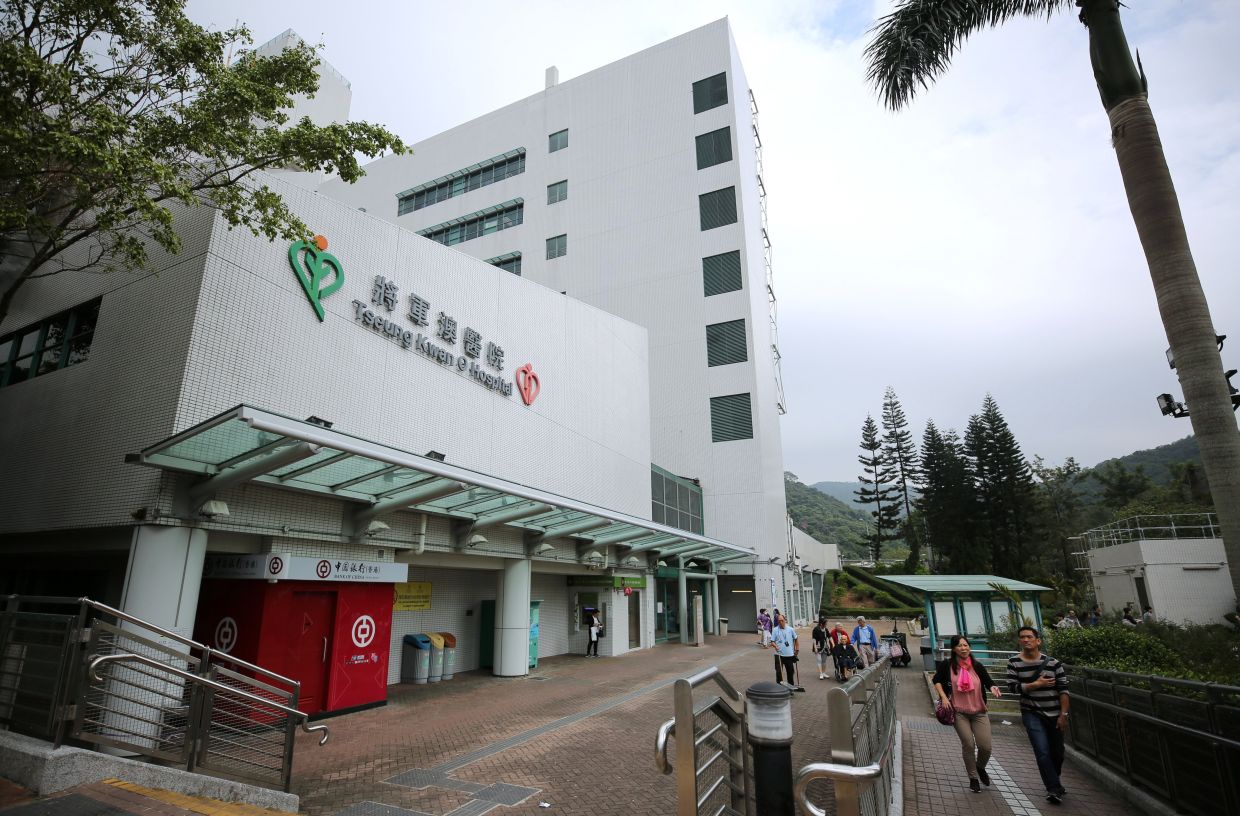
A comprehensive investigation into a fatal surgical error at Hong Kong's Tseung Kwan O Hospital has concluded that the operating surgeon suffered from "confirmation bias" when misidentifying structures inside the patient's abdominal cavity, leading to one of the most serious lapses in clinical judgment at the public institution. The hospital's report, released Thursday, examined a February 7 incident involving an 85-year-old woman with obstructive sigmoid colon cancer who died three weeks after undergoing what should have been a routine transverse colostomy procedure. The findings have reignited public concern about medical governance and patient safety standards in Hong Kong's healthcare system, prompting former lawmaker Michael Tien Puk-sun to call for the surgeon's dismissal and questioning the sector's ability to prevent such preventable tragedies.
The patient was admitted to Tseung Kwan O Hospital expecting to undergo a straightforward surgical intervention designed to relieve her intestinal blockage. A transverse colostomy involves creating a surgical opening, known as a stoma, in the abdominal wall to allow waste to bypass the blocked section of the colon. The procedure is considered routine in colorectal surgery and is performed thousands of times annually across developed healthcare systems. In this case, however, the surgeon's misidentification of anatomical structures during the operation resulted in the stoma being created in the stomach rather than in the intended location of the transverse colon—a fundamental error that violated basic surgical protocols.
Although the patient's vital signs initially remained stable following the operation, medical staff observed unusually high output from the newly created stoma, an early warning sign that something had gone seriously wrong. Despite this red flag, the abnormal stomal output was not adequately monitored or acted upon by the healthcare team. The patient was transferred to Haven of Hope Hospital for post-operative rehabilitation without the surgical team conducting a proper reassessment. It was not until March 1, when the patient developed low blood pressure and an elevated heart rate, that she was transferred back to Tseung Kwan O Hospital for further investigation. A CAT scan ordered at that point immediately revealed the catastrophic error: the stoma had been created in the stomach instead of the colon, a discovery that came far too late to prevent irreversible complications.
The patient's clinical condition rapidly deteriorated following the diagnosis of the surgical error. She died on March 3 after her family made the difficult decision to agree to a do-not-attempt-resuscitation order, bringing an end to a situation that had become medically unrecoverable. The hospital did not publicly disclose the incident until March, only after media inquiries began to surface questions about the patient's unexplained death. At that time, the hospital announced it had launched a full investigation and referred the case to the Coroner's Court, signalling the severity with which the institution was treating the matter.
The formal investigation report identified multiple and interconnected deficiencies among the medical personnel involved in the surgical procedure, rather than attributing the failure solely to individual error. The surgeon's "confirmation bias"—the cognitive tendency to favour information that confirms pre-existing beliefs while ignoring contradictory evidence—emerged as the primary factor underlying the anatomical misidentification. The report stated explicitly that the surgeon had "wrongly exteriorised the stomach instead of the transverse colon during the surgery, without performing additional confirmation measures." This suggests the surgeon may have proceeded with insufficient verification steps or failed to seek a second opinion when visual identification of anatomical structures proved ambiguous or uncertain.
Beyond the surgeon's cognitive bias, the hospital's investigation uncovered systemic failures that compounded the initial error and delayed its detection. These included inadequate monitoring of the abnormally high stomal output, a clear indicator that post-operative complications had occurred. The report also identified insufficient experience among healthcare staff involved in the case and poor communication between the surgical and rehabilitation teams. This breakdown in inter-departmental coordination prevented the surgical team from conducting a timely reassessment of the patient after her transfer to the rehabilitation facility, effectively creating a window during which the error remained undetected and the patient's condition continued to deteriorate unchecked.
Former lawmaker Michael Tien Puk-sun responded to the investigation findings with sharp criticism of both the surgeon and the hospital's broader institutional culture. He noted that the surgeon in question had a documented history of previous errors, raising questions about how such a professional had continued to operate without facing more serious disciplinary consequences. Tien characterised the latest blunder as "a rookie mistake," suggesting that the error reflected a level of negligence inconsistent with the standards expected of an experienced surgical practitioner. He publicly challenged the hospital's repeated assurances that it would implement improvements following such incidents, questioning when substantive change would actually materialise. Tien also highlighted the reputational damage such incidents inflict on Hong Kong's positioning as a premium medical tourism destination and healthcare hub for regional patients seeking advanced treatment.
The hospital's investigation panel issued a series of recommendations designed to prevent similar failures in the future. These include a comprehensive review of clinical governance protocols within the surgery department, ensuring that surgical teams remain actively involved in patient care and decision-making even after transfer to rehabilitation units. The panel also recommended that stoma and wound care specialists be required to conduct formal assessments of post-operative patients with proper documentation and timely reporting mechanisms. These recommendations address both the immediate cause of the error and the systemic breakdowns that allowed complications to go undetected for an extended period.
Tseung Kwan O Hospital has stated it has accepted all recommendations and has already begun implementing measures aimed at enhancing patient safety across the institution. The hospital has restructured its department of surgery under a new cluster-based governance model, a change intended to improve coordination and oversight of surgical operations. The institution has also committed to following up with the doctors involved through formal human resources procedures and indicated it may refer the case to the Medical Council, Hong Kong's regulatory body responsible for physician licensing and discipline. These actions suggest the hospital recognises the gravity of the incident and the necessity of holding medical professionals accountable through established regulatory channels.
The case has significant implications for Malaysian and Southeast Asian healthcare systems, many of which share similar institutional challenges around clinical governance, inter-departmental communication, and the implementation of verification protocols. Medical errors involving misidentification of surgical sites or structures, while statistically rare in well-regulated systems, reflect vulnerabilities that can emerge when confirmation bias, inadequate supervision, and poor communication intersect within hospital environments. The Hong Kong investigation demonstrates the importance of establishing robust checklists, mandatory second opinions for significant procedures, clear protocols for monitoring post-operative complications, and seamless communication between surgical and post-operative care teams. For healthcare administrators across the region, the case underscores that preventing such tragic errors requires not only disciplining individual practitioners but fundamentally redesigning systems and cultures to catch mistakes before they become irreversible.
The incident also raises questions about accountability and the responsibility of hospital leadership to identify and address patterns of error among surgical staff before they result in patient deaths. Tien's reference to the surgeon's history of previous mistakes suggests that institutional mechanisms for detecting and responding to performance issues may have been insufficient or inadequate. Regional hospitals would do well to examine whether they have adequate systems in place to track adverse events, identify practitioners with concerning patterns, and take appropriate remedial or disciplinary action proportionate to the severity and frequency of errors. The Hong Kong case serves as a sobering reminder that patient safety depends not on the perfection of individual clinicians but on the design of systems robust enough to detect and prevent human error before it reaches the patient.
Looking forward, this incident will likely influence medical training programmes and institutional practices across Hong Kong and the wider region. The emphasis on confirmation bias in the investigation report suggests that surgical education may need to incorporate explicit training on recognising and mitigating cognitive biases during complex procedures. Simulation-based training, structured team communication protocols such as the Surgical Safety Checklist, and mandatory peer verification of critical anatomical identification may become increasingly standard components of surgical practice. For patients and families in Southeast Asia seeking treatment at major tertiary institutions, the case demonstrates the importance of informed consent processes that clearly communicate inherent surgical risks and the value of seeking second opinions when major procedures are planned. The tragedy that befell the 85-year-old patient in Hong Kong should ultimately serve as a catalyst for systemic improvements that prevent similar preventable deaths throughout the region's healthcare systems.
%22%2F%3E%3C%2Fpattern%3E%3C%2Fdefs%3E%3Crect%20width%3D%22100%25%22%20height%3D%22100%25%22%20fill%3D%22url(%23ph5u67tg)%22%2F%3E%3Crect%20width%3D%22100%25%22%20height%3D%22100%25%22%20fill%3D%22url(%23ph5u67tp)%22%2F%3E%3Ctext%20x%3D%2250%25%22%20y%3D%2250%25%22%20text-anchor%3D%22middle%22%20dominant-baseline%3D%22central%22%20fill%3D%22rgba(255%2C255%2C255%2C0.95)%22%20font-family%3D%22Georgia%2C%20'Times%20New%20Roman'%2C%20serif%22%20font-weight%3D%22700%22%20font-size%3D%22226%22%20letter-spacing%3D%22-0.02em%22%3EFormer%3C%2Ftext%3E%3C%2Fsvg%3E)
%22%2F%3E%3C%2Fpattern%3E%3C%2Fdefs%3E%3Crect%20width%3D%22100%25%22%20height%3D%22100%25%22%20fill%3D%22url(%23phkek7g)%22%2F%3E%3Crect%20width%3D%22100%25%22%20height%3D%22100%25%22%20fill%3D%22url(%23phkek7p)%22%2F%3E%3Ctext%20x%3D%2250%25%22%20y%3D%2250%25%22%20text-anchor%3D%22middle%22%20dominant-baseline%3D%22central%22%20fill%3D%22rgba(255%2C255%2C255%2C0.95)%22%20font-family%3D%22Georgia%2C%20'Times%20New%20Roman'%2C%20serif%22%20font-weight%3D%22700%22%20font-size%3D%22320%22%20letter-spacing%3D%22-0.02em%22%3ERare%3C%2Ftext%3E%3C%2Fsvg%3E)
%22%2F%3E%3C%2Fpattern%3E%3C%2Fdefs%3E%3Crect%20width%3D%22100%25%22%20height%3D%22100%25%22%20fill%3D%22url(%23ph1no3ng)%22%2F%3E%3Crect%20width%3D%22100%25%22%20height%3D%22100%25%22%20fill%3D%22url(%23ph1no3np)%22%2F%3E%3Ctext%20x%3D%2250%25%22%20y%3D%2250%25%22%20text-anchor%3D%22middle%22%20dominant-baseline%3D%22central%22%20fill%3D%22rgba(255%2C255%2C255%2C0.95)%22%20font-family%3D%22Georgia%2C%20'Times%20New%20Roman'%2C%20serif%22%20font-weight%3D%22700%22%20font-size%3D%22194%22%20letter-spacing%3D%22-0.02em%22%3ENallini%3C%2Ftext%3E%3C%2Fsvg%3E)