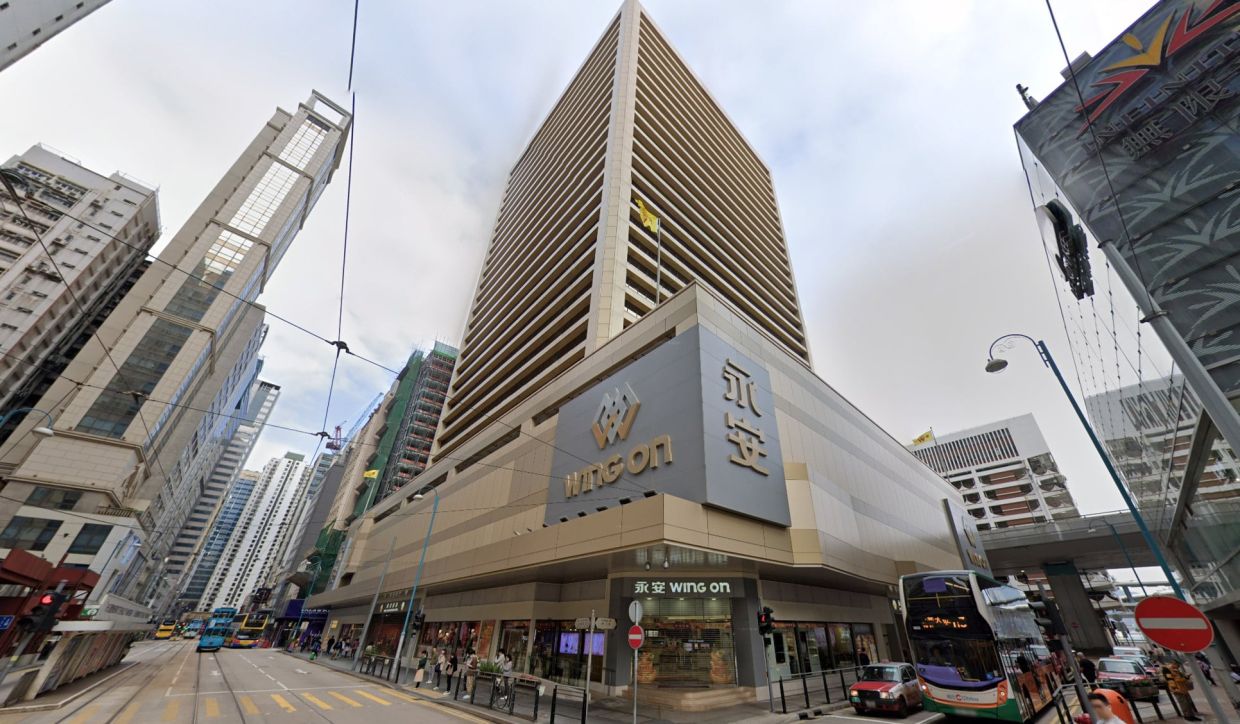
Hong Kong's customs authorities have opened an investigation into allegations that an elderly woman was subjected to high-pressure sales tactics resulting in a HK$100,000 purchase at a beauty outlet. The case involves an 88-year-old customer who visited the Avinichi booth at Wing On department store in Sheung Wan in April, according to a social media account posted by her daughter surnamed Ng over the weekend. The incident has reignited concerns about predatory selling methods in the territory's beauty and skincare sector, which has faced mounting scrutiny from regulators and consumer protection agencies.
According to Ng's account, the three-hour sales encounter involved a series of questionable practices that left her mother feeling confused and emotionally drained. Most problematically, the salesperson allegedly retained the customer's credit card within a folder whilst continuously presenting additional products for purchase, rather than returning it after the initial transaction. Over the course of the afternoon, the card was swiped four separate times, accumulating charges for various skincare items, a beauty treatment device, and a package of 24 detoxifying sessions. The daughter claims that even when her mother's domestic helper attempted to end the visit and leave the store, the sales pressure continued unabated.
The elderly woman's experience mirrors descriptions of coercive tactics that have become increasingly common in Hong Kong's cosmetics retail landscape. Ng reported that her mother felt emotionally manipulated by the encounter, describing herself afterwards as having been in a trance-like state. When the family subsequently requested a refund, Avinichi management declined and offered only to exchange the products for alternatives. Dissatisfied with this response, the daughter escalated the matter by filing complaints with both the Customs and Excise Department and the Consumer Council, signalling her determination to pursue accountability through official channels.
The Customs and Excise Department confirmed it is actively examining the case and indicated that enforcement measures would follow if evidence emerges of violations under Hong Kong's Trade Descriptions Ordinance. A departmental statement emphasised its commitment to consumer protection and its intolerance for unfair commercial practices, pledging continued vigorous action against dishonest traders. This response reflects broader government concern about deteriorating sales standards within the beauty sector, which has prompted heightened regulatory attention over recent months.
Avinichi is operated under the umbrella of Apex Retail, a multi-brand retail group managing numerous beauty outlets throughout Hong Kong and Singapore. The company oversees approximately a dozen stores across the territory operating under various brand names including Earth, Napara, Privilege Boutique and Dualsonic, among others. Notably, Apex Retail recently launched two new Avinichi "experience boutiques" in 2025 and lists Wing On as one of its official mall partners. However, a disclaimer on Avinichi's website notes that all retail locations are independently owned and operated, a claim that may complicate questions of corporate responsibility for individual outlet conduct.
When contacted by journalists, staff at the Wing On location initially claimed ignorance of the allegations. After consulting with management by telephone, an employee requested the reporter's contact details and promised a company spokesperson would respond. However, no statement was forthcoming by that evening, and management declined to speak directly with media representatives. This apparent reluctance to engage transparently with press inquiries stands in contrast to the company's stated commitment to customer service and may invite further scrutiny from consumer advocacy groups.
The Avinichi case represents only the latest incident in an expanding pattern of complaints about aggressive and coercive sales methods within Hong Kong's beauty retail sector. The investigation into Opatra London, a London-based beauty chain, resulted in the arrest of two managers at its Hong Kong operation on suspicion of deploying high-pressure sales tactics. Additionally, The Mineral Boutique, operated by Beauty Express Group, has faced separate allegations regarding aggressive customer manipulation. These converging cases suggest systemic issues within portions of the industry rather than isolated misconduct by individual rogue operators.
Legal scholars and consumer protection experts have previously identified several practices common to these cases that may contravene Hong Kong law. These include withholding customer payment cards to extend sales interactions, engaging in unwanted physical contact, and applying psychological pressure to purchase expensive products that customers had not initially intended to acquire. The Trade Descriptions Ordinance explicitly prohibits harassment, coercion and deceptive conduct employed to compel purchases, providing a legal framework for prosecuting such behaviour. However, proving such violations often requires obtaining detailed evidence and customer testimony, presenting challenges for enforcement authorities.
For Malaysian consumers and those throughout Southeast Asia, these developments in Hong Kong carry important implications regarding international beauty retail standards and consumer protection. Hong Kong functions as a major regional retail hub where many Southeast Asian shoppers purchase cosmetics and skincare products, either during visits to the territory or through cross-border e-commerce channels. The emergence of systematic coercion patterns at prominent retailers suggests that vigilance is warranted when engaging with international beauty brands, particularly those employing high-pressure boutique models. Consumer awareness of these tactics and knowledge of one's rights under relevant ordinances can provide protection against similar schemes.
The broader context reveals how regulatory gaps and profit-driven business models can combine to create environments where vulnerable consumers face exploitation. Elderly customers, who may be less digitally literate and more trusting of in-person interactions, appear particularly susceptible to these schemes. The involvement of retail assistants, credit card retention, extended sales sessions and psychological manipulation tactics suggests coordinated strategies rather than individual salesperson errors. This systematic nature underscores why regulatory bodies like Hong Kong Customs are treating these cases seriously and why consumer councils across the region are intensifying oversight of beauty retail operations.
Moving forward, the outcomes of investigations into Avinichi, Opatra London and other implicated outlets will likely establish important precedents for how aggressively regulators pursue corporate accountability in luxury retail. Successful prosecutions could encourage compliance throughout the industry, whilst lenient outcomes might embolden further misconduct. The willingness of consumers like Ng to publicly document their experiences and pursue formal complaints also plays a crucial role in deterring such practices. For regional consumers, staying informed about these cases and understanding warning signs of coercive sales techniques represents an important form of self-protection in an increasingly complex international retail landscape.

