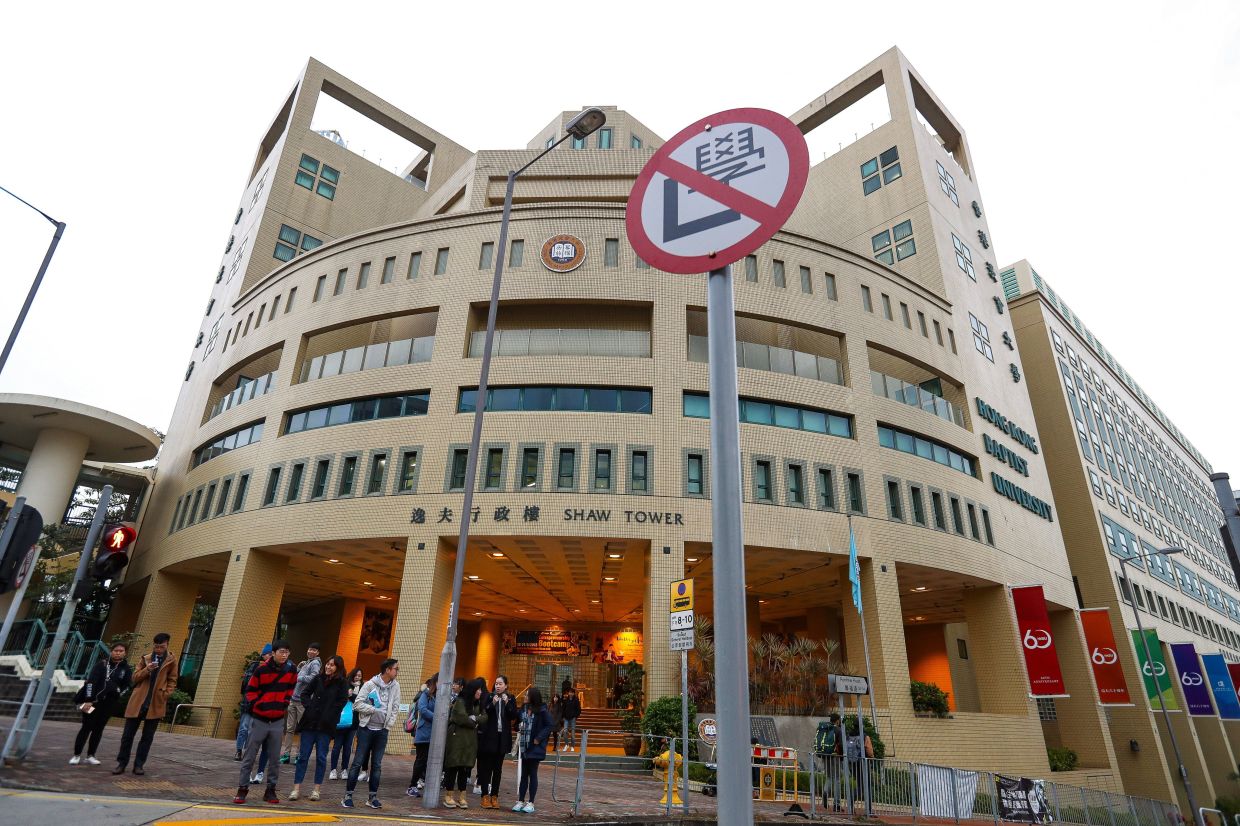
Hong Kong Baptist University has initiated a comprehensive security review following allegations by The Gentlemen, a sophisticated ransomware operation, that the institution's information technology infrastructure has been compromised through unauthorised access. The university's acknowledgment of the incident, made public on Tuesday night, signals growing vulnerability among Hong Kong's educational establishments to increasingly professional cybercriminal networks targeting sensitive institutional data.
The Gentlemen emerged mid-2023 as a particularly menacing operator within the global cybercrime ecosystem, distinguishing itself through a business model that diverges from traditional lone-wolf hacking approaches. Rather than conducting attacks independently, the group functions as a software-as-a-service provider, licensing its extortion technology to other criminal networks across multiple continents. This franchise-like structure has enabled rapid expansion and increased operational sophistication, allowing the group to orchestrate attacks with greater technical capability and wider geographic reach than typical cybercriminal organisations.
Cybersecurity monitoring services tracking this breach have identified approximately 1,900 compromised credentials across the Baptist University network. The exposed data encompasses roughly 130 staff member accounts possessing elevated system privileges, approximately 1,770 standard user accounts belonging to students and general personnel, and 260 credentials associated with third-party contractors and vendors operating within the university's digital infrastructure. This stratified compromise suggests the attackers achieved meaningful penetration across multiple layers of institutional access, potentially enabling them to pivot deeper into critical systems or exfiltrate sensitive information beyond basic user account details.
The university's initial response, as articulated in its statement, emphasizes ongoing investigation and coordination with regulatory authorities. Baptist University indicated it would implement appropriate corrective measures through established institutional protocols while maintaining communication with Hong Kong's local law enforcement and regulatory bodies. However, the timing of the public disclosure indicates the institution may have been reactive rather than proactive in recognising the breach, a pattern increasingly common when criminal groups first publicise their claims online rather than institutional IT teams detecting unauthorised access.
The Office of the Privacy Commissioner for Personal Data, Hong Kong's principal regulator governing data protection compliance, has not yet received formal breach notification from the university despite the public allegations circulating online. This procedural gap underscores potential delays in institutional awareness of the incident's full scope. The Privacy Commissioner's office stated it had proactively initiated contact with Baptist University to better understand the attack's parameters, recognising that educational institutions hold substantial repositories of personal information requiring heightened protective standards.
Francis Fong Po-kiu, who leads the Hong Kong Information Technology Federation as honorary president, has articulated a detailed remediation framework that extends considerably beyond routine damage control. Fong's recommendations stress immediate notification to the privacy regulator as a statutory and ethical imperative, arguing that transparency with authorities facilitates coordinated response efforts. Comprehensive forensic examination and system audits must determine the precise scope of compromise, identifying whether attackers merely collected credentials or successfully deployed them to access protected databases or financial systems.
Fong specifically emphasised the critical distinction between compromised credentials and functional system infiltration. The core investigative question becomes whether The Gentlemen merely captured passwords and usernames or if those credentials enabled deeper penetration into core university systems housing student records, research data, financial information, or intellectual property. This distinction carries profound implications for the severity classification of the incident and the appropriate remediation intensity required. If credentials were utilised to access protected systems, the institution faces substantially greater exposure and liability than simple credential theft.
The recommended universal password reset across the entire campus constitutes an immediate damage limitation strategy preventing attackers from deploying stolen credentials for ongoing unauthorised access. Mandating multi-factor authentication represents a longer-term architectural improvement, adding computational and procedural barriers to brute-force attacks and credential-based intrusions. These measures, standard in cybersecurity best practice but frequently implemented only after incidents rather than proactively, reflect the persistent gap between theoretical security requirements and operational institutional implementation.
Transparent communication with the university community represents both an ethical obligation and a practical necessity in the post-breach environment. Staff and student populations require timely, honest information regarding personal data exposure, enabling them to monitor for identity theft, unauthorised financial transactions, or social engineering attempts targeting their accounts. Early and comprehensive disclosure also builds institutional credibility and demonstrates commitment to accountability, qualities essential for maintaining stakeholder trust during security crises. Conversely, delayed or opacity-laden disclosures frequently amplify reputational damage and erode confidence in institutional competence.
For Malaysian readers and Southeast Asian observers, the Baptist University incident illuminates broader vulnerability patterns affecting regional educational and government institutions. Hong Kong's relatively mature regulatory environment and cybersecurity consciousness still proved insufficient to prevent significant data exposure, suggesting that Malaysian universities and public sector organisations operating with comparable or less developed security protocols face elevated risk. The Gentlemen's expansion across Asia-Pacific networks indicates growing criminal interest in targeting institutions within the region, particularly educational establishments possessing large user bases and substantial information assets with commercial value in underground markets.
The incident also highlights the evolving sophistication of cybercriminal business models in Southeast Asia. Traditional ransomware operations relying on encryption and extortion have evolved into comprehensive data acquisition schemes where credential theft, system access, and information exfiltration generate revenue streams independent of institutional ransom payments. This diversified financial approach reduces incentives for negotiated settlements and increases the likelihood of ongoing attacks even if institutions pay demanded ransoms. Regional policymakers and institutional leaders must recognise this fundamental shift in threat architecture when developing cybersecurity strategies and incident response frameworks.
Baptist University's experience underscores the necessity for institutional investment in preventive cybersecurity rather than reactive crisis management. Educational institutions throughout Southeast Asia hold particularly attractive targets for organised cybercriminals, combining valuable personal information repositories with frequently constrained IT budgets and aging infrastructure. The coming months will determine whether Baptist University's response establishes a credible remediation pathway or whether investigative findings reveal systemic vulnerabilities requiring fundamental architectural restructuring of institutional IT environments.

