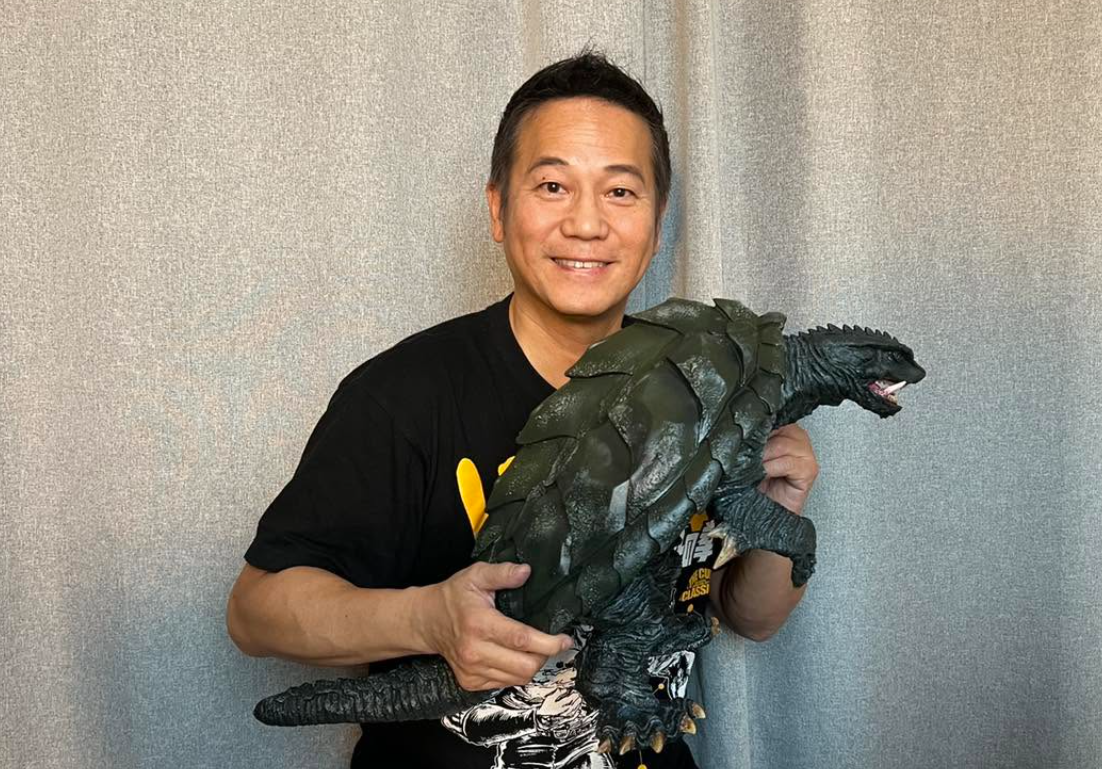
Hong Kong actor Stephen Au and his wife Phyllis Man have settled into life in Vancouver, Canada, over the past four years, and the couple has emerged as unlikely advocates for the expatriate lifestyle in North America. Speaking recently on a web show, the pair—married since 1997—reflected openly on their decision to leave Hong Kong and indicated they harbour no second thoughts about the move, having genuinely embraced the rhythms of their adopted home.
Au, now 63, credits the cultural values of Canada with making the transition seamless for both himself and his spouse. He emphasised that respectful and courteous interactions form the bedrock of social harmony in Canadian communities, a philosophy that has guided their integration into Vancouver's diverse population. This observation underscores a broader pattern among Hong Kong expatriates who find that straightforward, direct communication and civility can smooth even significant geographical and cultural transitions.
The most immediate change Au experienced upon relocating was psychological rather than material. The relentless social calendar and professional obligations that characterised his decades in Hong Kong—with its inherent pressure to maintain constant visibility and networks—have evaporated in Canada. Au describes a liberation from the perpetual need to attend functions, meet contacts, and sustain the exhausting visibility required of entertainment figures in a densely connected city. This newfound space has allowed him to redirect energy inward, focusing on reflection and the appreciation of life's quieter moments, a shift that many burnout sufferers recognise as profoundly restorative.
This deceleration has paradoxically unlocked rather than constrained Au's creative productivity. Over his four years in Vancouver, he has authored five complete books—a substantial literary output that would have been unimaginable amid Hong Kong's relentless pace. The correlation between reduced external pressure and enhanced creative output challenges conventional assumptions that busier environments stimulate greater productivity. For Au, the Canadian context has proven an incubator rather than a retreat.
Phyllis Man's recollection of her husband's dormant model-kit collection illuminates just how transformative the move has been. Au had accumulated an extensive array of model kits while living in Hong Kong, yet these items remained sealed and untouched for nearly two decades. The sheer weight of his professional commitments and social obligations left no psychological or temporal space for such pursuits. Only after crossing the Pacific did the conditions align for him to finally open these boxes and engage with a hobby that clearly held deep appeal. He now builds intricate models from scratch using unconventional materials such as foam boards and clay, describing the process as genuinely enjoyable—a reclamation of leisure activity that most would consider foundational to wellbeing.
Notably, Au has not used his relocation as a springboard toward retirement or withdrawal from the entertainment industry. Instead, he has strategically reoriented his career toward theatre and stage productions, disciplines that align more naturally with Vancouver's cultural ecosystem and his current life philosophy. This pivot represents not a retreat but a purposeful repositioning, allowing him to remain creatively engaged while operating according to different rhythms and values.
The comparison Au draws between Hong Kong and Vancouver production timelines illuminates the structural differences between these creative environments. A theatrical production requiring merely two months of preparation in Hong Kong's fast-moving entertainment ecosystem might demand four months of iterative refinement in Vancouver. Rather than viewing this extended timeline as inefficient, Au has come to value the process itself. The deliberate, methodical approach permits greater attention to detail, allows creative teams to explore possibilities more thoroughly, and reflects a fundamentally different philosophical approach to artistic creation. Where Hong Kong prizes speed and market responsiveness, Vancouver's theatre culture emphasises depth and collaborative exploration.
Au speaks with genuine enthusiasm about the teams he now collaborates with, characterising them as passionate but unpretentious. The relative informality and lack of hierarchy in Canadian creative production contrasts sharply with the more stratified and protocol-conscious environment of Hong Kong's entertainment establishment. This cultural difference has allowed Au to experience creative work as fundamentally collaborative rather than hierarchical, potentially explaining his evident satisfaction with his professional life in Vancouver.
Perhaps most meaningfully, Au has discovered a sense of purpose in bringing Hong Kong culture to overseas audiences through his stage work. This mission—sharing his heritage with new audiences in a foreign context—provides what he describes as profound happiness and fulfilment. For expatriates and diaspora members across Southeast Asia, this sentiment resonates deeply: the ability to represent one's culture abroad while building meaningful lives in new communities offers a form of integration that transcends mere relocation.
Au's trajectory invites reflection on the broader phenomenon of Hong Kong professionals and creatives seeking opportunities abroad. As the city faces political and social uncertainty, stories of successful adaptation in places like Vancouver, Toronto, and Sydney carry particular resonance. Au's experience suggests that relocation need not entail loss or diminishment but can instead catalyse personal renewal and creative flourishing—provided individuals approach their new environments with openness and genuine engagement rather than nostalgia or resentment.

