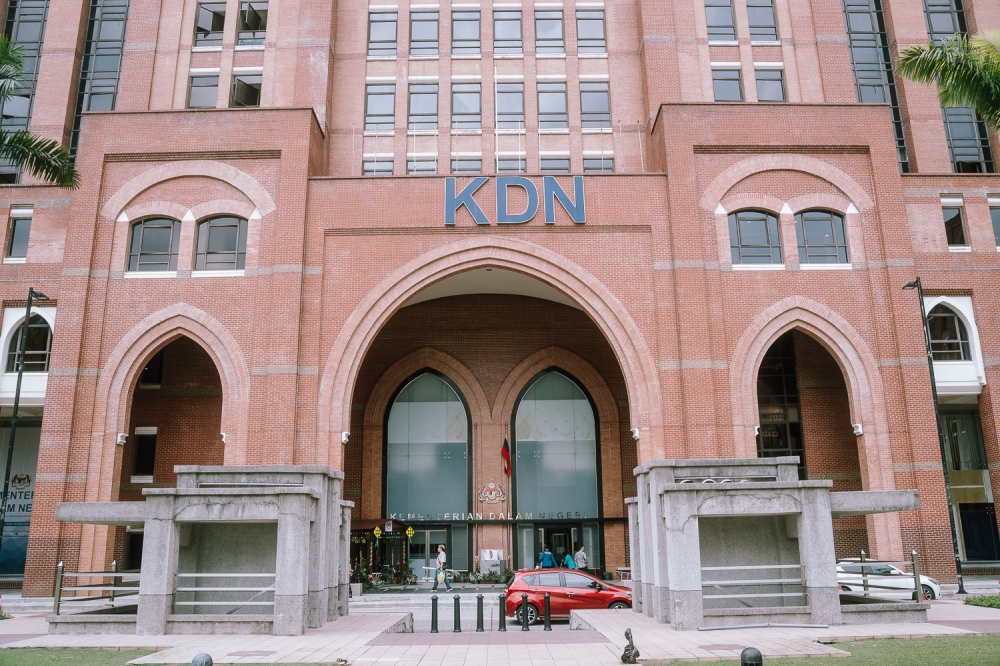
The Home Ministry has initiated a wide-ranging investigation into allegations that immigration procedures were misused in connection with Network School, an educational institution operating within the Forest City development in Johor Bahru. The probe, announced from the ministry's headquarters in Putrajaya on July 14, represents a significant escalation in scrutiny of administrative practices at the school and raises broader questions about oversight mechanisms in large-scale property developments that incorporate international educational facilities.
Network School, which serves the expatriate and international community in Forest City—a major mixed-use development launched with significant Chinese investment—has become the subject of official concern regarding how foreign nationals were processed through immigration protocols. The investigation will examine whether standard procedures governing the entry, stay, and documentation of foreign staff, students, and their dependents were properly adhered to, or whether irregularities in the application of these rules occurred.
Forest City itself occupies a complex position in Malaysia's development landscape. Located in Iskandar Puteri within the Iskandar Malaysia economic zone, the sprawling mixed-use project includes residential towers, commercial spaces, and lifestyle amenities designed to attract international residents and investors. The inclusion of educational facilities like Network School reflects the development's positioning as a cosmopolitan hub capable of attracting overseas families and talent. However, this international character also creates intricate regulatory challenges, as multiple government agencies must coordinate oversight of immigration, education standards, labour practices, and investor compliance.
The Home Ministry's investigation appears to stem from specific complaints or intelligence suggesting that immigration procedures may have been circumvented or improperly administered. Such allegations are taken seriously given Malaysia's need to maintain robust border security and immigration integrity. The scope of the probe encompasses operational practices at the school itself and potentially extends to how the broader Forest City development interacts with immigration authorities and whether any systemic vulnerabilities in oversight exist.
This development carries implications for how Malaysia manages educational institutions serving expatriate populations. International schools and specialist educational providers have become increasingly common across Southeast Asia's major economic zones and metropolitan areas, yet regulatory frameworks governing their immigration-related operations sometimes lag behind practical realities. The investigation could prompt broader policy discussions about standardising procedures for such institutions and ensuring consistent application of rules across different development zones and administrative jurisdictions.
For Forest City itself, the investigation may intensify scrutiny of the development's governance structures and compliance culture. Large integrated developments involving mixed international and Malaysian populations create supervisory complexities that require clear protocols and robust inter-agency coordination. Any findings of systematic irregularities could prompt developers to enhance internal compliance mechanisms and could influence how future comparable projects are structured from an administrative standpoint.
The timing of this investigation also reflects evolving government priorities regarding immigration enforcement and development oversight. Recent years have seen increased attention to irregularities in how foreign nationals are processed and documented, particularly in high-profile or large-scale projects. The Home Ministry's proactive stance in launching this comprehensive inquiry suggests heightened vigilance regarding potential gaps in immigration administration, even within ostensibly well-regulated environments like major commercial developments.
Network School's position as an educational provider for international families means that any findings of immigration misuse could affect confidence in the institution and potentially influence decisions by expatriate families regarding whether Forest City remains an attractive place to relocate. Education quality and the reliability of regulatory oversight are among the most important factors for international families assessing whether to move to a new jurisdiction. Any reputational damage from immigration violations could ripple beyond the school itself to affect broader investor and resident confidence in Forest City as a managed, professionally-run development.
The investigation also touches on questions about institutional accountability and transparency within large property developments. Forest City operates within the Iskandar Malaysia framework, which involves coordination between federal and state authorities, the local authority, and the developer. Establishing clear responsibility for immigration compliance and ensuring that oversight mechanisms function effectively across these different governance layers represents an ongoing challenge in Malaysian urban development practice.
Looking forward, the conclusions of this investigation may influence how future international schools and expatriate-serving institutions are licensed, monitored, and held accountable. If systemic vulnerabilities in immigration oversight are identified, the Home Ministry might implement enhanced pre-approval procedures, mandatory compliance training for staff handling foreign nationals, or more frequent audit schedules for such institutions. These measures could become templates applied more widely across Malaysia's international education sector.
The probe underscores the importance of maintaining meticulous administrative standards even within prestigious, large-scale developments that might otherwise enjoy strong reputational credentials. Immigration compliance, though sometimes treated as a routine administrative matter, directly affects national security and sovereignty. The Home Ministry's investigation signals that scrutiny of these procedures will be thorough and uncompromising, regardless of an institution's standing or its role in attracting international investment and residents to Malaysia.

