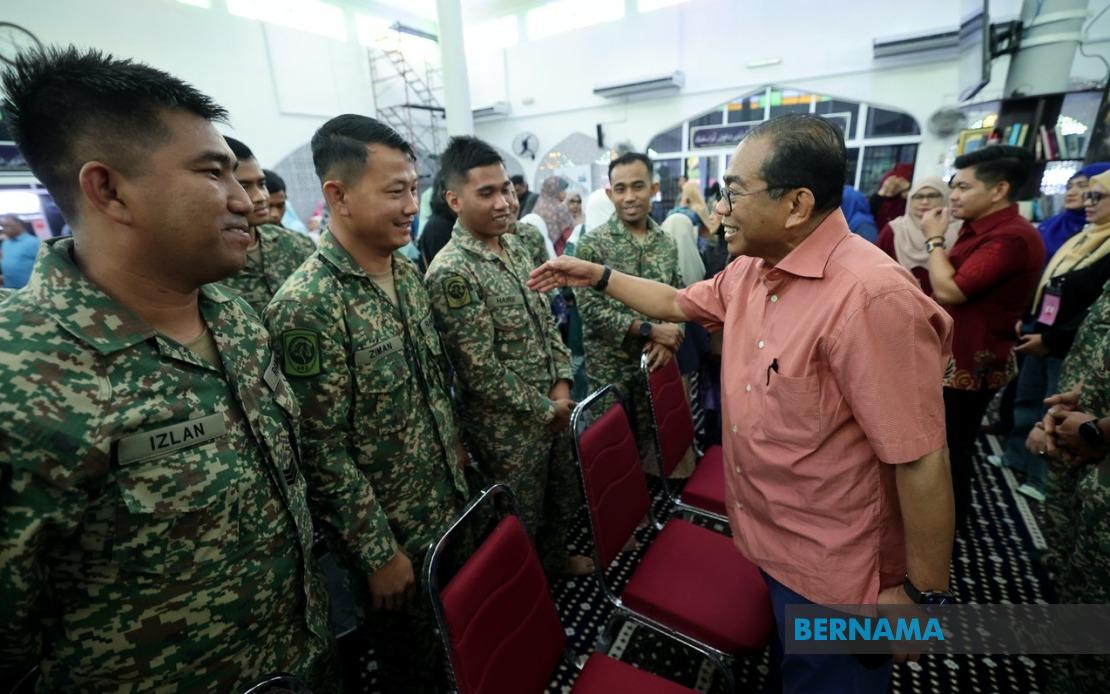
An investigation into the fatal grenade explosion that killed two Malaysian military personnel during a training exercise at Hobart Camp in Gurun last month should be completed and handed to the Ministry of Defence by the middle of July, according to Defence Minister Datuk Seri Mohamed Khaled Nordin. Speaking at an event in Kota Tinggi on July 5, the minister indicated that once the finalisation process is complete, officials will be in a position to provide public updates on the findings and any recommendations that emerge.
The incident in question occurred on June 16 at approximately 10.57 am, resulting in severe injuries to two service members engaged in routine military training. Corporal Norazmi Abu Bakar, attached to the Sixth Battalion of the Royal Malay Regiment, and Private Siti Khadijah Sungip from the First Squadron of the Royal Engineers Regiment, both sustained critical wounds when an explosive device detonated during their exercise. The two personnel were immediately evacuated and transported to Sultan Abdul Halim Hospital in Sungai Petani, but tragically both were pronounced dead during the transfer despite emergency medical intervention.
The loss of these two soldiers has raised significant concerns within Malaysia's defence establishment about the safety protocols governing military training operations. The circumstances surrounding the explosion—particularly whether procedural lapses, inadequate supervision, or faulty equipment contributed to the tragedy—remain the central focus of the ongoing investigation. The fact that Defence Minister Mohamed Khaled has personally overseen communications about the report's progress suggests the gravity with which the ministry treats this matter.
Compounding the urgency of the inquiry is a second serious incident that unfolded at the identical location just two weeks later. On June 29, a firearm discharged unexpectedly during a combat enhancement training exercise, leaving two additional service members wounded. Sergeant Mohamad Firdaus Che Shaharudin and Corporal Felix Franchis, both from the Fourth Battalion of the Royal Ranger Regiment, sustained leg injuries after being struck by shrapnel from the discharge at 6.15 pm. The proximate timing and location of these two separate accidents at Hobart Camp have intensified scrutiny regarding whether systematic deficiencies in training management exist at the facility.
In response to this troubling pattern, the Malaysian Army has been instructed to undertake a comprehensive review of its training methodologies and safety frameworks. Mohamed Khaled emphasised that the review must encompass not only the circumstances of the June 16 explosion but also incorporate lessons from the subsequent June 29 incident. This dual focus reflects the ministry's concern that isolated procedural errors may not adequately explain why two significant accidents occurred within a fortnight at the same installation.
The Defence Minister's stated approach is notably cautious and methodical. Rather than rushing to implement reactive measures or assign blame, the ministry intends to await the completion of formal investigations before determining what corrective actions are warranted. Mohamed Khaled made clear that any decisions regarding training protocol modifications, equipment upgrades, or personnel accountability will be predicated on the substantive findings that emerge from the inquiry process. This deliberate stance, while perhaps frustrating to those seeking immediate accountability, reflects institutional best practices for handling serious military incidents.
For Malaysia's military personnel and their families, the promise of a thorough investigation carries particular weight. Military training inevitably involves inherent risks, but the occurrence of two serious incidents within fourteen days at the same location suggests that controllable factors—human oversight, equipment maintenance, procedural compliance—may warrant heightened attention. The soldiers' willingness to participate in training exercises rests partly on reasonable assurance that safety measures are being rigorously enforced.
Regionally, Malaysia's response to these incidents also reflects broader military standards within Southeast Asia. As defence establishments across the region modernise their operations and training capabilities, the management of occupational safety in military contexts has become an increasingly pressing concern. How Malaysia handles the investigation's conclusions and implements any resulting reforms may serve as an instructive example for neighbouring defence forces grappling with similar challenges.
The mid-July deadline for report submission provides a concrete timeline against which the Defence Ministry's commitment to transparency can be measured. Given that investigations into military incidents often involve complex technical analysis, witness statements, and procedural reviews, meeting this deadline will require sustained effort from investigating officers. Once the report is delivered to the ministry, the subsequent public communication will be equally important, as service members and Malaysian civilians seek clarity regarding what happened and what steps are being implemented to prevent recurrence.
For Hobart Camp specifically, the coming weeks represent a critical juncture. Should the investigation reveal systemic shortcomings, the facility may face temporary suspension of certain training activities, enhanced oversight mechanisms, or equipment replacements. Alternatively, if the findings suggest isolated human error rather than systemic failure, the focus may shift toward personnel retraining and accountability measures. Either way, the camp's operational status and training schedule will likely be subject to modification pending the investigation's conclusions and the Defence Ministry's response.
The broader implications for Malaysia's defence readiness should not be overlooked. Any extended disruption to training schedules at major military facilities can have cascading effects on unit readiness and operational capability. The Defence Ministry must therefore balance its commitment to thorough investigation with the practical necessity of maintaining Australia's defence posture and training pipeline. This balancing act underscores why Mohamed Khaled's measured public statements—promising investigation completion without committing to specific remedial timelines—may reflect the genuine complexity of managing both accountability and operational continuity.

