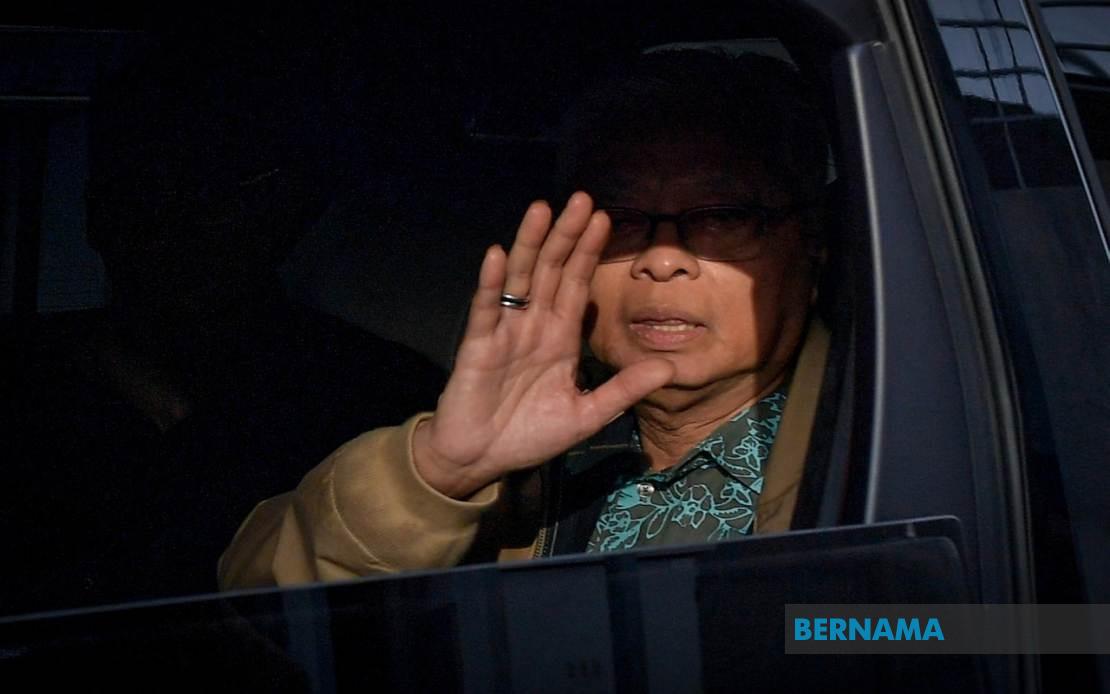
A Malaysian High Court has confirmed the acquittal of political blogger Jufazli Shi Ahmad in a case centring on YouTube videos critical of former Prime Minister Datuk Seri Ismail Sabri Yaakob and UMNO. Judge Datuk Aslam Zainuddin dismissed the prosecution's appeal on October 18, 2024, preserving the Sessions Court's earlier decision to discharge and acquit the blogger, marking a significant outcome in a dispute that has drawn attention to digital speech and political expression in the country.
The case against Jufazli involved two primary charges related to actions taken in mid-2022. The first charge alleged that he created and transmitted an offensive communication in video format through his 'King Maker Politik' YouTube channel on June 27, 2022, at 3 pm, with the stated intention to annoy another person. This charge was prosecuted under Section 233(1)(a) of the Communications and Multimedia Act 1998, a statute frequently invoked in cases involving online content deemed problematic by authorities. The second charge centred on Jufazli's alleged refusal to supply police with the password to his YouTube account during questioning at the Dang Wangi District Police Headquarters on July 5, 2022, a refusal framed as non-compliance under Section 249 of the same legislation.
The legal penalties attached to these charges underscored the seriousness with which Malaysian authorities have traditionally treated online communications. Had Jufazli been convicted on the first charge, he faced a potential fine reaching RM50,000, imprisonment up to one year, or both, with an additional daily fine of RM1,000 for each day the alleged offence persisted after conviction. The second charge carried even steeper consequences: a maximum fine of RM100,000, imprisonment for up to two years, or both. Such provisions reflect a legislative framework that grants authorities substantial latitude in addressing online speech deemed offensive or problematic.
The High Court's decision to uphold Jufazli's acquittal comes at a moment when Malaysia continues to grapple with questions regarding the boundaries between political criticism, free expression, and offences defined under digital communications legislation. The outcome suggests judicial caution regarding the application of these statutes in cases involving political commentary, even when directed at senior figures or ruling parties. Judge Aslam's affirmation of the Sessions Court's reasoning indicates that lower courts have found substantive grounds for doubt regarding the prosecution's ability to establish the necessary elements of the alleged offences beyond reasonable doubt.
The representation of both parties illuminates the institutional dimensions of the case. Deputy Public Prosecutor Mohamad Fadhly Mohd Zamry pursued the appeal on behalf of the state prosecution, while Jufazli retained lawyer Ramesh N.P. Chandran to defend against the charges. This formal legal contest transpired within the Malaysian court system at multiple levels, reflecting how political disagreements increasingly encounter resolution through judicial processes rather than remaining confined to the political sphere itself.
Jufazli's 'King Maker Politik' YouTube channel appears to have functioned as a platform for political analysis and commentary, though the specific content of the video in question remains somewhat obscure from the public record. The fact that the police accessed the video link on July 1, 2022—four days after the original upload—suggests a deliberate investigation rather than spontaneous discovery. The timing and manner of law enforcement engagement with digital content raises broader questions about how political expression online is monitored and acted upon by authorities in Malaysia.
The refusal to provide the YouTube account password represented a secondary layer of the allegations, one that touched on questions of digital privacy and cooperation with police investigations. Whether Jufazli's non-compliance stemmed from a principled stance regarding digital privacy, practical difficulties, or other considerations remains unclear from the court record. However, the High Court's support for his acquittal on this charge as well suggests that courts may be reconsidering how strictly such cooperation requirements should be enforced when the underlying alleged offence itself lacks sufficient evidential foundation.
This decision arrives within a broader landscape of digital speech regulation in Southeast Asia. Malaysia has long maintained relatively stringent controls over online expression through the Communications and Multimedia Act and related legislation, often applying these statutes to restrict criticism of government, ruling parties, and senior political figures. The High Court's affirmation of Jufazli's acquittal therefore carries implications extending beyond this single case, potentially signalling a willingness among some judicial actors to scrutinise prosecutions under these provisions more rigorously.
For Malaysian content creators and digital commentators, particularly those engaged in political analysis, the outcome provides some reassurance regarding the risks they encounter when producing critical commentary. While the Communications and Multimedia Act remains in force and prosecutors retain the authority to bring charges, the courts have demonstrated that they will not automatically convert charges into convictions when evidential foundations appear weak. This judicial restraint stands in contrast to some applications of digital speech legislation in the region, where convictions have followed relatively readily from complaints by powerful actors.
The broader implications for UMNO and the political establishment merit consideration as well. The case occurred during a period of significant political turbulence in Malaysia, with shifting alliances and competing claims to power among the ruling and opposition coalitions. The prosecution's decision to pursue charges against a blogger for videos criticising Ismail Sabri and UMNO reflected one strand of intra-elite political competition. The ultimate acquittal and its judicial confirmation suggest that courts have maintained some distance from directly serving the interests of particular political factions, even when charges have been filed by prosecutors tied to the state apparatus.
Looking ahead, the decision may influence how Malaysian authorities approach subsequent cases involving political content on digital platforms. Prosecutors may become more selective in pursuing such cases, given the risk that courts will scrutinise the evidence carefully. Simultaneously, digital creators and political commentators may feel somewhat emboldened to continue their work, knowing that courts have shown a willingness to reject prosecutions where grounds are insufficient. The High Court's reasoning and outcome thus contribute incrementally to the evolving jurisprudence surrounding digital speech rights in Malaysia, even as the statutory framework itself remains unchanged.

