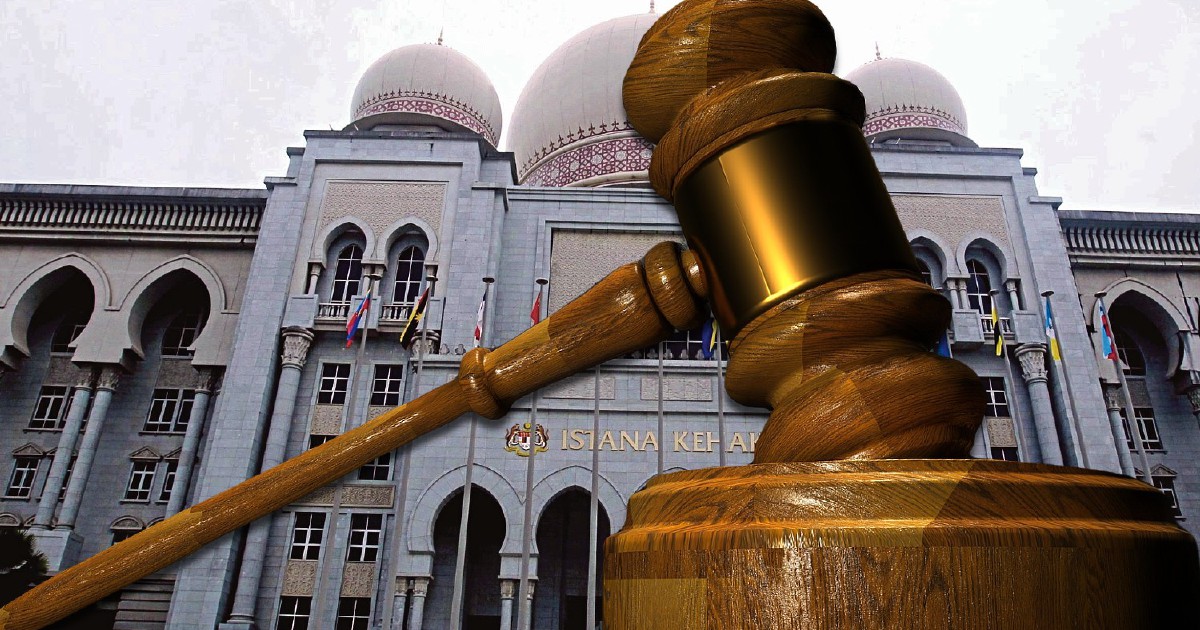
The Malaysian High Court is scheduled to deliver a ruling on September 21 concerning several foundational legal questions that have been raised in a civil lawsuit involving Prime Minister Datuk Seri Anwar Ibrahim. The decision will determine whether certain preliminary matters should be resolved before the main trial proceeds in the case filed by Muhammed Yusoff Rawther, a former researcher who worked for Anwar, which centres on allegations of sexual assault.
Preliminary issues in civil litigation serve as critical junctures that can significantly shape the trajectory of cases. These threshold questions often involve matters of jurisdiction, procedural propriety, the validity of claims, and whether sufficient grounds exist for a case to proceed to full trial. The outcome of such rulings can either expedite the resolution of disputes or add considerable complexity to ongoing proceedings, making the September 21 hearing a pivotal moment in this particular case.
The involvement of a sitting Prime Minister in civil litigation of this nature is exceptionally rare in Malaysian jurisprudence and carries profound implications for both the judicial system and the country's political landscape. Such cases attract intense public scrutiny and raise important questions about the separation of powers, the accountability of high-ranking government officials, and the accessibility of the courts to ordinary citizens seeking redress. The proceedings also serve as a litmus test for the independence and impartiality of the judiciary in handling sensitive matters involving political figures.
Anwar Ibrahim has maintained a prominent position in Malaysian politics for several decades, serving previously as Deputy Prime Minister and Finance Minister before his tenure as opposition leader. His elevation to the office of Prime Minister in late 2022 marked a significant turning point in Malaysian politics, particularly following a period of considerable political turbulence and coalition negotiations. The timing and nature of legal challenges brought against him during his tenure inevitably attract attention from observers keen to assess the stability of his administration and the broader health of Malaysia's democratic institutions.
The role of preliminary issues in civil procedure deserves particular attention, as these determinations often prove consequential for litigants. Should the court determine that certain preliminary objections lack merit, the case moves forward toward substantive hearing, potentially requiring the defendant to mount a full defence on the merits. Conversely, if the court upholds preliminary objections, it may curtail the scope of the litigation or even terminate it entirely. The complexity of such decisions underscores the technical expertise required of judges handling sophisticated civil matters.
Muhammed Yusoff Rawther's decision to pursue a civil suit represents a distinct course of action from any potential criminal proceedings, should such matters exist in parallel. Civil cases place the burden of proof at the balance of probabilities rather than the higher criminal standard of beyond reasonable doubt, and they typically focus on monetary compensation or injunctive relief rather than imprisonment or criminal sanctions. Understanding this distinction is essential for Malaysian observers seeking to comprehend the full legal implications of the various proceedings that may surround such allegations.
The involvement of senior counsel and legal teams in preliminary issue hearings typically involves detailed arguments about the legal framework governing the case, the interpretation of relevant statutes and case law, and the application of procedural rules. These submissions, while sometimes appearing arcane to lay observers, serve essential functions in ensuring that trials proceed fairly and efficiently. The High Court's role in carefully evaluating these arguments reflects the significance accorded to procedural justice within Malaysia's common law tradition.
For Malaysia's broader legal and political environment, cases of this nature carry implications extending beyond the immediate parties involved. They test the robustness of institutional mechanisms designed to ensure accountability and provide remedies for alleged wrongdoings. The outcome may influence public confidence in both the legal system and executive leadership, particularly at a time when many Malaysians are reassessing their expectations of political governance and institutional integrity following years of high-profile corruption cases and political upheaval.
The scheduling of the September 21 hearing provides all parties with a definite date to prepare comprehensive submissions and marshals their arguments on these foundational questions. This clarity assists in managing the broader litigation timeline and enables relevant stakeholders to plan accordingly. Media coverage of the proceedings will likely remain intense, reflecting the public interest in matters involving high-ranking officials and the fundamental questions about power, accountability, and justice that such cases inherently raise.
As the date approaches, legal observers across Southeast Asia will be watching closely to see how Malaysia's courts navigate this delicate matter. The High Court's approach to preliminary issues in this case may set important precedents for future litigation involving senior government officials and will contribute to the evolving jurisprudence governing civil procedure and judicial review in Malaysia. The September 21 ruling will represent a crucial milestone in understanding how the case will ultimately develop and what remedies, if any, may eventually be available to the former research aide.

