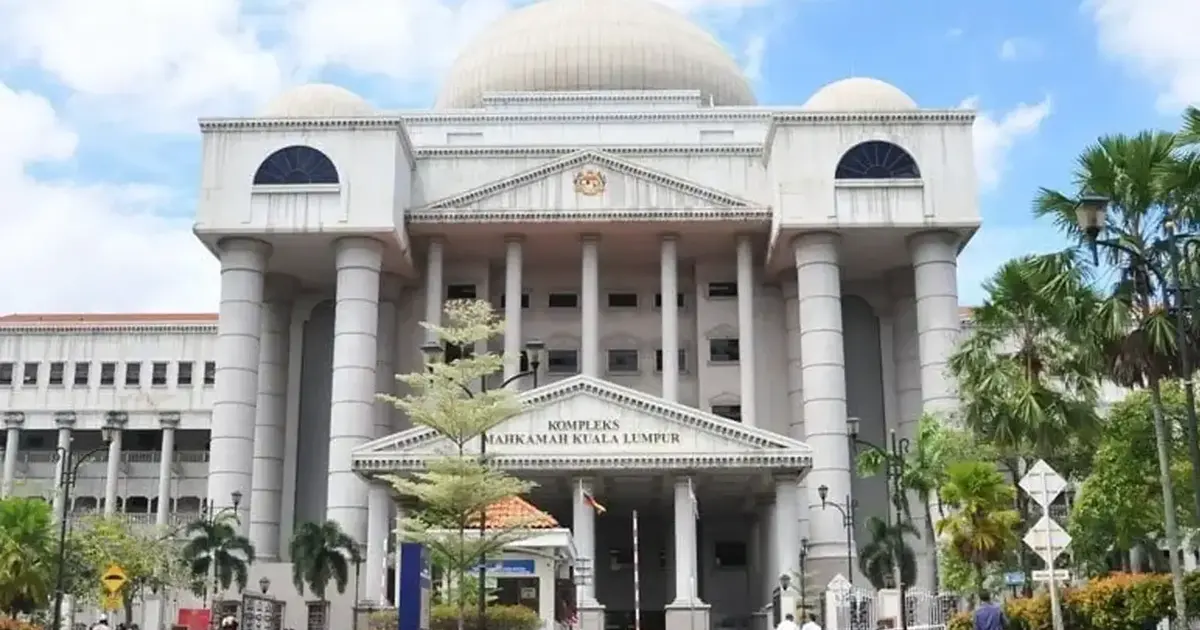
A High Court judge in Malaysia has issued a sweeping order freezing assets worth more than RM14 million held by the East West group, an established oil palm conglomerate, following an application for a domestic Mareva injunction. The decision represents a significant legal development in a civil dispute involving the company and its investors, ensuring that sufficient capital remains accessible within Malaysia's jurisdiction should the plaintiffs prevail in their forthcoming court proceedings.
The Mareva injunction, a powerful legal tool traditionally used in complex commercial disputes, operates by preventing a defendant from moving or dissipating assets that could be claimed by creditors or wronged parties. By granting this domestic variant, the court has essentially placed the East West group's identified assets under judicial supervision, restricting the conglomerate's ability to transfer, encumber, or deploy these funds without court approval. This form of interim relief has become increasingly common in Malaysian civil litigation, particularly in cases involving substantial sums or concerns about asset dissipation.
The East West group, which operates across the oil palm sector—a cornerstone of Malaysia's agricultural economy and a significant source of government revenue—now operates under considerable financial constraints during the pendency of the civil action. The frozen assets encompass various holdings that the company would ordinarily deploy for operational expenses, capital investments, or shareholder distributions. For a conglomerate of this scale, such restrictions can create operational challenges, though the company retains the ability to apply to the court for release of funds for legitimate business purposes upon demonstration of necessity.
Investor protection has become increasingly prominent in Malaysian civil jurisprudence, reflecting broader concerns about corporate accountability and asset protection. When disputes arise between investors and corporate entities, courts must balance the rights of the defendant to manage its own affairs against the plaintiffs' legitimate interest in ensuring that any judgment they obtain remains collectable. The Mareva injunction addresses this tension by preserving the status quo until the merits of the case are determined. Without such protective measures, sophisticated debtors or corporate actors facing adverse claims could strategically move assets abroad or restructure holdings to render judgments unenforceable.
The East West group's operations within the oil palm industry carry particular significance for Malaysia's economic landscape. The sector generates substantial export revenues, employs hundreds of thousands of workers across the supply chain, and influences government policy regarding land use, environmental management, and international trade relations. Disputes involving major players in this sector inevitably draw attention from stakeholders beyond the immediate parties, including workers, environmental groups, and government agencies concerned with sector stability and compliance.
The application for the Mareva injunction likely involved detailed submissions regarding the risk of asset dissipation, the strength of the plaintiffs' underlying claims, and the adequacy of alternative remedies. Malaysian courts, following established common law precedents, require applicants to demonstrate that there is a serious issue to be tried, that the applicant faces a real risk that any judgment would prove uncollectable due to defendant asset movement, and that the balance of convenience favours granting the injunction. The judge's decision to freeze RM14 million in assets suggests the court found these threshold requirements satisfied on the evidence presented.
For Malaysia's commercial and investment communities, the decision reinforces the judiciary's willingness to deploy robust interim remedies to protect claimants' rights. This signals to domestic and foreign investors that Malaysian courts take fraud, breach of contract, and other commercial wrongs seriously, and that the legal system possesses mechanisms to prevent defendants from escaping accountability through asset shuffling or jurisdictional manoeuvres. Such judicial posture supports confidence in Malaysia's legal framework and may encourage legitimate investors to pursue claims they might otherwise consider too risky given concerns about enforcement.
The freeze on East West group assets also carries implications for other creditors and stakeholders with exposure to the company. Banks, suppliers, and business partners may face complications in their dealings with the conglomerate, particularly if operations are disrupted or if the company's financial flexibility becomes severely constrained. The court order, while protecting the specific claimants, creates a hierarchical priority structure in which the frozen assets are earmarked for potential satisfaction of the civil judgment before other claims can proceed.
Pending the full trial, the East West group will likely seek to challenge the injunction's scope, argue for partial release of assets for essential business operations, or attack the strength of the underlying claim through various interlocutory applications. Malaysian courts regularly hear such applications and maintain the discretion to modify, vary, or discharge Mareva injunctions if material facts change or if the balance of fairness shifts. The company may also appeal the original decision, setting up a potential appellate examination of the judge's reasoning and conclusions regarding asset dissipation risk.
The frozen assets remain under judicial control until the civil suit reaches final determination or until the court orders otherwise. Should the plaintiffs succeed on the merits, the frozen funds will provide a ready source for satisfying their judgment, eliminating lengthy enforcement proceedings and cross-border asset recovery efforts that typically prove costly and uncertain. Conversely, if the defendants ultimately prevail, the injunction will be dissolved and the assets released from restraint, restoring the East West group's full financial autonomy.
This decision underscores the increasing sophistication of Malaysia's approach to complex commercial disputes and asset protection. As the economy continues to mature and cross-border transactions proliferate, Malaysian courts have developed robust procedural tools and jurisprudence to handle disputes involving substantial sums and multiple stakeholders. The Mareva injunction represents one important instrument in this expanding toolkit, signalling that Malaysia's legal system possesses the mechanisms necessary to ensure that commercial justice is not undermined by strategic asset movements or corporate manoeuvring.

