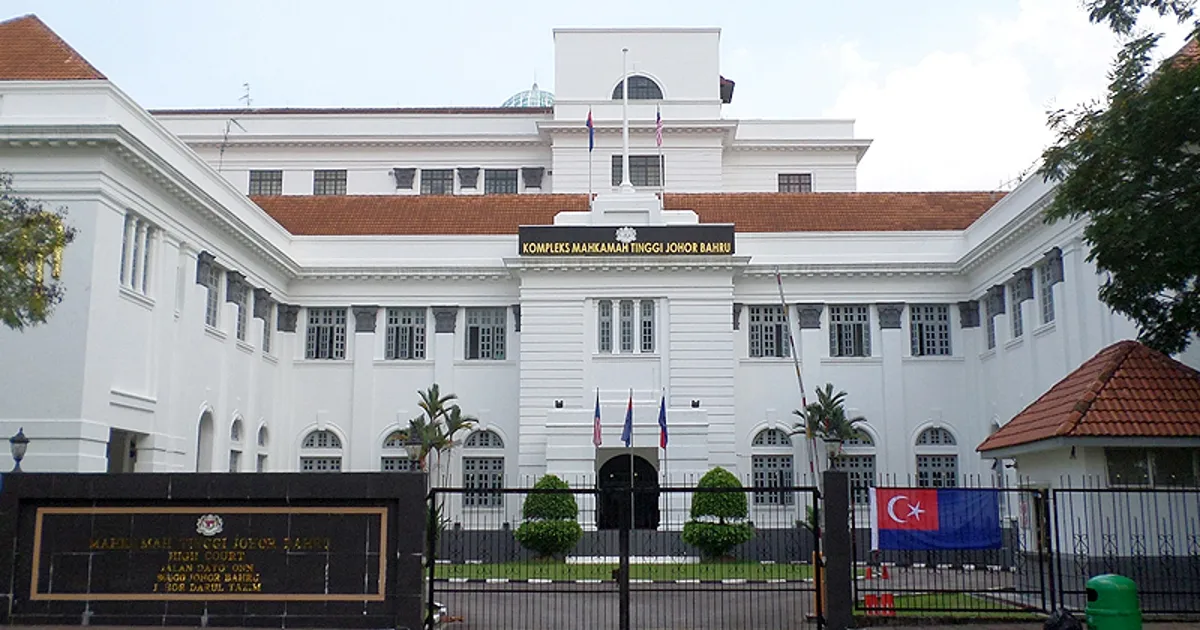
An instructor employed at a government training institute has been cleared of sexual assault allegations following a High Court ruling that harshly criticised the police investigation underpinning the case. The judicial decision represents a significant setback for the prosecution and raises fresh questions about investigative procedures within Malaysia's law enforcement apparatus, particularly in handling sensitive criminal matters that require meticulous evidence gathering and procedural rigour.
The High Court judge, in delivering the acquittal, noted that the police investigation into the allegations against the instructor fell substantially below the standards expected for criminal prosecutions. This assessment suggests systemic shortcomings in how officers approached the case, potentially including inadequate witness interviews, failure to preserve evidence properly, or insufficient documentation of findings. Such deficiencies can undermine the entire prosecution narrative, as courts ultimately rely on the integrity and thoroughness of investigative work to establish guilt beyond reasonable doubt.
The acquittal carries implications for the broader criminal justice system in Malaysia. When investigations are deemed inadequate by the judiciary, it signals that training and oversight mechanisms within police forces may require strengthening. High-profile cases involving sexual assault allegations demand particular sensitivity and expertise, as these matters often turn on credibility assessments and the careful handling of sensitive testimony. The court's critique suggests these standards were not met in this instance.
Government training institutes, which typically educate civil servants and professionals across various sectors, occupy a position of public trust. Allegations involving instructors at such institutions draw heightened scrutiny because of the authority figures' proximity to trainees and the institutional responsibility to maintain ethical standards. The acquittal does not diminish the seriousness with which courts and the public should regard such allegations, but rather underscores the necessity of rigorous investigation before pursuing charges.
For the accused instructor, the acquittal provides vindication following what must have been a prolonged and stressful legal process. Individuals facing sexual assault charges encounter substantial reputational damage even when ultimately exonerated, and the lengthy burden of defending against such serious allegations can have lasting personal and professional consequences. The High Court's explicit criticism of investigative failures strengthens the instructor's position in potentially seeking remedies for wrongful prosecution or damage to reputation.
The case highlights the delicate balance Malaysian courts must maintain in sexual assault prosecutions. Judges must take allegations seriously and protect complainants while simultaneously ensuring that accused individuals receive fair trials based on solid evidence and proper investigative procedure. When investigations prove deficient, judges have no alternative but to acquit, regardless of the gravity of the allegations, because the rule of law demands that conviction rests on properly gathered and presented evidence.
Such judicial criticism often prompts internal reviews within police departments. When a High Court explicitly states that investigative standards fell markedly short, senior officers typically respond with training enhancements, revised protocols, or policy adjustments aimed at preventing recurrence. These institutional responses, though sometimes slow, represent one mechanism through which the judiciary influences law enforcement practice.
The acquittal may also affect the complainant's experience within the justice system. Sexual assault victims who pursue complaints through official channels invest considerable emotional energy and courage in coming forward. When cases collapse due to investigative failures rather than genuine absence of wrongdoing, it can reinforce victims' reluctance to report future incidents, potentially affecting reporting rates across Malaysia's law enforcement landscape.
For the training institute itself, the case presents institutional management challenges. The organisation must balance supporting its staff member following exoneration while maintaining a workplace culture that takes allegations seriously. Effective institutional responses typically include reviewing complaint procedures, ensuring confidentiality protections, and establishing clear processes for handling such matters internally and with external authorities.
The broader context within Southeast Asia reveals that several countries grapple with similar investigative challenges in sensitive cases. Malaysia's experience provides a cautionary example of how procedural failures can undermine justice system effectiveness, whether by preventing legitimate prosecutions or, conversely, by requiring acquittals that leave questions unresolved. Regional observer groups monitoring judicial independence and police accountability have increasingly focused on how sexual assault cases are handled, viewing these as indicators of overall system health.
Looking forward, this case underscores the necessity for continuing professional development within Malaysian law enforcement, particularly regarding interview techniques, evidence preservation, and case documentation in sexual assault investigations. International standards and best practices exist from jurisdictions with strong records in these areas, and adoption of such frameworks could strengthen local investigative capacity while protecting both complainants and defendants.
The High Court's judgment ultimately reaffirms that investigative quality matters as much as investigative willingness. Law enforcement must pursue allegations vigorously, but they must do so through proper channels and with meticulous attention to procedural detail. When this standard is not met, courts have no choice but to acquit, a fact that reflects not judicial reluctance to address sexual assault but rather the foundational principle that justice demands evidence gathered and presented correctly.

