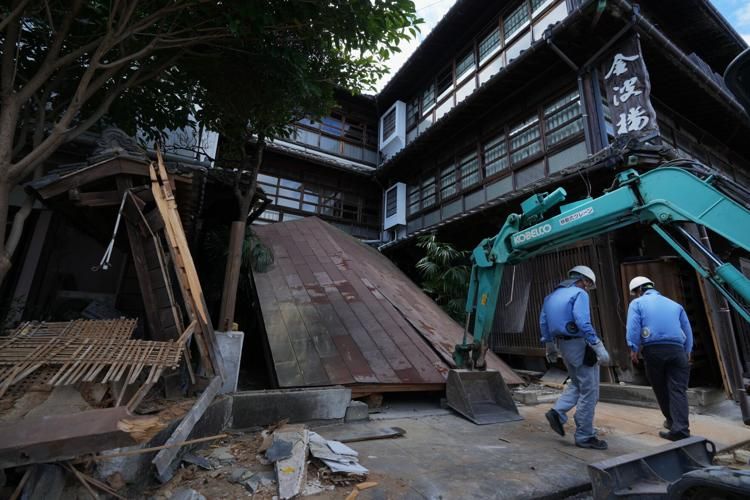
An elderly woman sheltering in a parked car has died from apparent heat stroke in Kumamoto Prefecture, marking the latest casualty from a powerful 7.1 magnitude earthquake that struck Japan's southwestern region last Tuesday. The fatality, confirmed by prefectural authorities on Sunday, brings the death toll to 36 and highlights an escalating public health crisis as the disaster-stricken area grapples with extreme temperatures alongside infrastructure damage and resource shortages.
The woman in her 70s was discovered dead in a vehicle without fuel on Thursday, according to NHK public television, unable to run the air-conditioning system that might have provided relief from dangerous heat. Her death represents precisely the scenario that emergency officials and medical experts had warned about in the days following the disaster. The incident has prompted Kumamoto authorities to begin distributing informational leaflets to evacuees occupying vehicles, urging them to maintain vehicle fuel supplies for cooling, seek alternative shelter in properly air-conditioned facilities, and stay adequately hydrated to prevent serious heat-related conditions.
Kumamoto Governor Takashi Kimura expressed deep concern over the preventable nature of the woman's death, appealing directly to car-dwelling evacuees to either keep their vehicles fueled and running for air-conditioning or consider relocating to designated cooling centres. His statement underscores the difficult balance between personal preference and survival in the immediate aftermath of disaster. Many evacuees deliberately remain in vehicles and temporary outdoor encampments to maintain privacy and psychological dignity during an already traumatic period, creating a tension between evacuation centre efficiency and individual autonomy that continues to complicate emergency response efforts.
The broader humanitarian situation in Kumamoto remains precarious on multiple fronts. Nearly 47,000 households continue to lack access to adequate fresh water supplies, while simultaneous fuel shortages have created bottlenecks at operational petrol stations where lengthy queues of vehicles wait for deliveries that are being gradually restored to the region. Japan Meteorological Agency measurements recorded temperatures reaching 36.6 degrees Celsius in Kumamoto city on Saturday, with forecasts suggesting further escalation. This combination of heat, resource scarcity, and compromised infrastructure creates compounding health risks across the affected population.
More than 9,000 people currently occupy crowded emergency shelters established in converted community centres, school gymnasiums, and repurposed classrooms throughout the prefecture. Many such facilities lack adequate air-conditioning systems, exposing vulnerable populations including elderly residents and young children to dangerous thermal stress during extended stays. The structural inadequacies of these crowded shelters have attracted longstanding criticism from disaster management experts who argue that substandard sanitation, privacy deficits, and stress-inducing conditions inevitably generate secondary health complications beyond those directly caused by the earthquake itself.
Rescue operations at the Aeon Mall in Kashima, one of the earthquake's most destructive sites, concluded on Saturday after extracting five survivors and seven bodies from the collapsed structure. The mall suffered catastrophic damage when a gas leak explosion triggered the collapse of walls and an entire floor after approximately 3,000 shoppers had been safely evacuated to the car park. However, some employees remained inside the building when the explosion occurred, accounting for the fatal casualties. A separate industrial disaster unfolded at the Nippon Paper Industries factory in Yatsushiro city, where a chimney collapse trapped 11 workers, resulting in nine confirmed deaths and two successful rescues.
Search and rescue operations continue across the prefecture with approximately 3,000 Self Defense Force personnel, police officers, rescue workers, and search dogs deployed to locate remaining missing persons. The precise number of missing individuals remains undetermined, with authorities maintaining a cautiously provisional approach to casualty figures pending thorough on-site investigations. Prime Minister Sanae Takaichi has directed additional resources toward evacuation centre improvements, including the delivery of portable toilets, portable air-conditioning units, privacy partitions, and supplemental food and water stocks to alleviate immediate suffering among sheltered populations.
Structural damage assessments document over 180 completely destroyed residential homes and more than 3,800 damaged buildings throughout Kumamoto Prefecture, with 20 facilities assessed as suffering severe structural compromise. Injury counts stand at 105 people within the prefecture, with two additional deaths currently under investigation to determine whether they qualify as earthquake-related fatalities subject to official tallying. The prefecture's power infrastructure appears largely restored, with outages affecting fewer than 900 households as of the latest reports, though communication networks remain partially disrupted in remote areas.
The Kumamoto disaster carries particular significance for Southeast Asian nations confronting similar seismic and meteorological vulnerabilities. The earthquake demonstrates how natural disasters create cascading secondary health emergencies when coupled with extreme weather conditions, a scenario increasingly likely as climate patterns shift. The gap between emergency shelter adequacy and evacuee needs revealed in Kumamoto suggests that regional disaster preparedness frameworks require enhanced investment in cooling infrastructure, water purification capacity, and psychological support systems specifically calibrated for extended emergency periods. Japan's response, despite national resources and infrastructure advantages, reveals systemic vulnerabilities that less-developed nations must anticipate and address through pre-disaster planning rather than reactive post-disaster improvisation.

