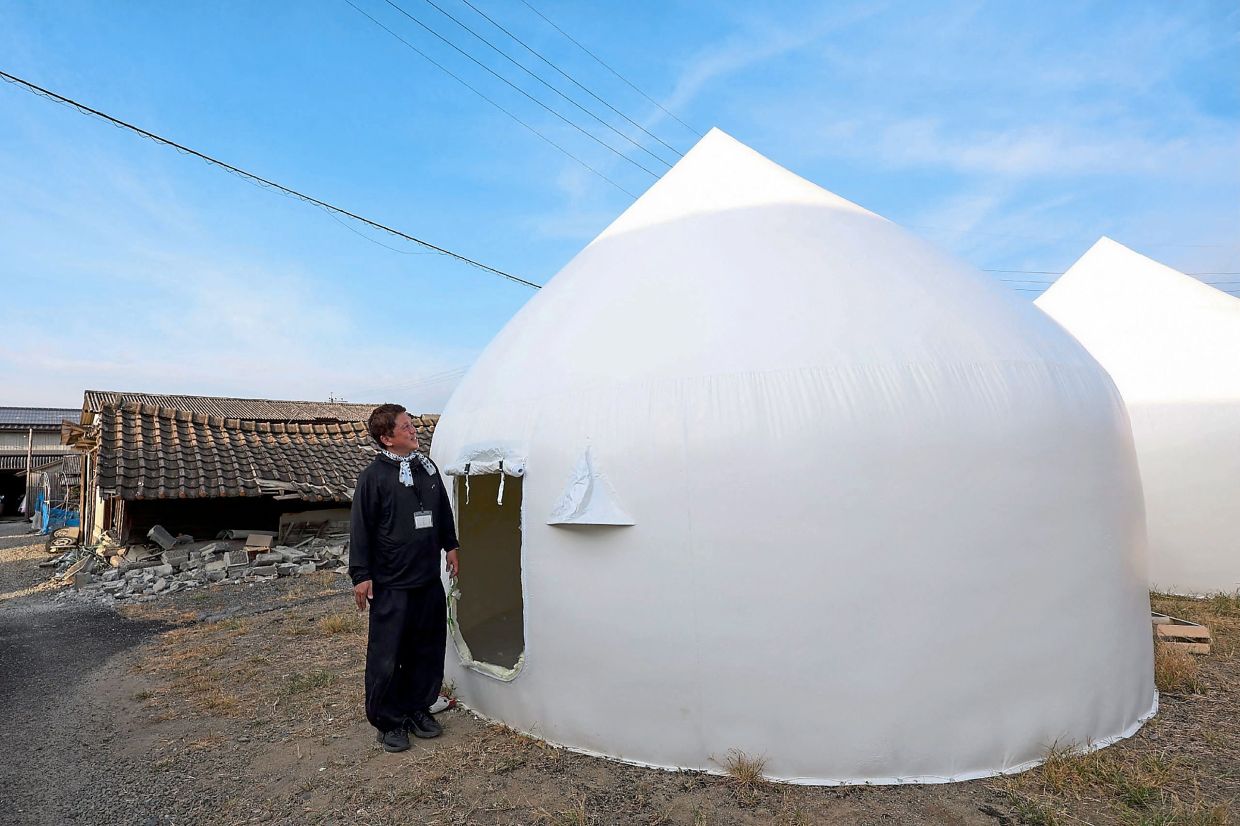
A woman in her seventies has become the latest casualty of last week's powerful Kumamoto earthquake after succumbing to heat stroke while sheltering in an unventilated vehicle. The death, discovered on Thursday in a car without fuel, brings the confirmed death toll from the magnitude 7.1 tremor to 36, raising alarm among officials and experts who had specifically warned about such fatalities. The incident highlights a cascading public health crisis unfolding across Japan's Kumamoto Prefecture, where survivors face a lethal convergence of natural disaster aftermath, extreme summer temperatures, and severe infrastructure failures that have left tens of thousands vulnerable.
The earthquake struck Kumamoto Prefecture on the southern Japanese island of Kyushu on Tuesday with devastating force, triggering a cascade of secondary disasters. One particularly catastrophic incident occurred at the Aeon Mall in the town of Kashima, where an explosion believed to have resulted from a gas leak caused walls and structural floors to collapse, killing seven people and trapping others in the debris. Rescue teams conducted a massive multi-day search-and-rescue operation at the mall, eventually extracting five survivors and recovering seven bodies before authorities concluded the operation on Saturday. The mall's second floor had collapsed entirely, illustrating the structural vulnerability of modern buildings to Japan's seismic forces.
Governor Takashi Kimura expressed deep concern about the mounting toll, particularly regarding the preventable nature of heat-related deaths among evacuees. He issued urgent appeals to those sheltering in vehicles to maintain continuous air-conditioning by keeping engines and fuel topped up, or alternatively to relocate to designated air-conditioned evacuation centres. The provincial government has begun distributing educational leaflets to car-sheltering evacuees, emphasizing hydration, adequate rest in cooler environments, and regular movement to prevent dangerous blood clotting. These measures represent attempts to manage a humanitarian crisis that authorities acknowledge they should have anticipated more forcefully.
The meteorological conditions compounding the disaster relief efforts are severe by any standard. The Japan Meteorological Agency recorded temperatures reaching 36.6 degrees Celsius in Kumamoto city on Saturday, with forecasts suggesting even hotter conditions in the following days. This extreme heat poses particular danger to the more than 9,000 people still occupying crowded evacuation shelters housed in converted community centres, school gymnasiums, and classrooms. Many of these facilities lack adequate air-conditioning, forcing evacuees to choose between remaining in stifling indoor conditions or seeking refuge in parked vehicles where heat can become lethal within hours.
The infrastructure collapse extends far beyond shelter inadequacy. Nearly 47,000 homes throughout the prefecture remain without access to fresh water supplies, creating severe sanitation hazards and complicating medical care for injured survivors. Simultaneous fuel shortages have constrained both rescue operations and the ability of evacuees to run vehicle air-conditioning systems. The compounding nature of these failures creates what experts describe as a perfect storm of disaster management breakdown, where initial earthquake damage intersects with systemic supply chain failures and climatic extremes to produce conditions where even survival becomes uncertain.
Prime Minister Sanae Takaichi convened a government task force meeting on Saturday to coordinate emergency response measures. She pledged that authorities would mobilize all available resources to address the deteriorating conditions, announcing the delivery of water, food, portable toilets, air-conditioning units, and privacy partitions to evacuation centres. These interventions, while necessary, represent reactive rather than preventive measures—attempting to mitigate humanitarian suffering that many disaster management experts argue could have been substantially reduced through more robust shelter standards and advance planning.
Japanese disaster management specialists have long criticized the conventional shelter model employed during major emergencies. Crowded conditions in converted public buildings typically lack adequate sanitation facilities, privacy, and climate control, creating what researchers describe as secondary health crises overlaying the original disaster. The combination of poor ventilation, inadequate hygiene infrastructure, and psychological stress from overcrowding generates elevated risks for infectious disease transmission, mental health deterioration, and preventable deaths from conditions like heat stroke. The Kumamoto situation exemplifies these systemic vulnerabilities playing out in real time.
Search and rescue operations continue with substantial government mobilization, deploying thousands of Self Defence Force troops, police personnel, rescue specialists, and search dogs throughout the affected prefecture. The overall number of missing persons remains undetermined as operations extend beyond the initial intensive search phase. Current figures show 105 people injured in the prefecture, with two additional deaths under investigation to determine definitive quake-relatedness. Preliminary damage assessments indicate that over 180 homes have been completely destroyed, with more than 3,800 buildings sustaining varying degrees of structural damage.
For Malaysian and Southeast Asian observers, the Kumamoto situation offers sobering lessons about disaster preparedness and climate vulnerability. Japan possesses among the world's most advanced earthquake engineering and emergency management systems, yet the earthquake's aftermath has revealed critical gaps when natural disasters intersect with extreme weather. In Southeast Asian contexts, where building codes, emergency shelter infrastructure, and cooling capacity are often less developed than in Japan, similar earthquake-heat combinations could produce far more catastrophic humanitarian outcomes. The death of a woman from heat stroke in a car during an earthquake aftermath illustrates how vulnerable even affluent, technologically advanced societies remain when multiple crises unfold simultaneously. Malaysian planners and policymakers might examine Kumamoto's experience to strengthen regional disaster protocols, particularly regarding shelter adequacy, water security, and climate-aware emergency management strategies.

