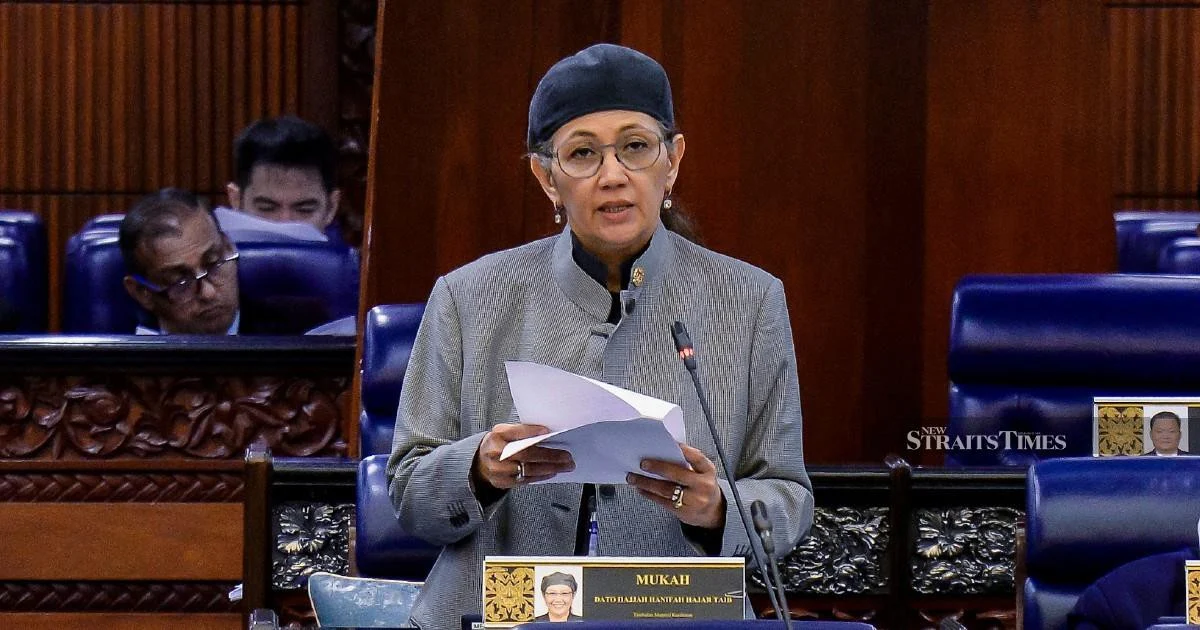
The Health Ministry has constituted a dedicated investigative panel to examine serious allegations of professional misconduct by its medical officers in relation to the Taiping Prison disturbance that occurred in January of the previous year. This move represents an official acknowledgment that questions have emerged regarding the role and conduct of ministry healthcare personnel during or in the aftermath of the incident, prompting the need for formal scrutiny at the federal level.
The formation of such a committee signals growing institutional concern about the circumstances surrounding the prison riot and underscores the ministry's commitment to accountability within its ranks. Establishing a specialised investigative body rather than relying on routine disciplinary procedures indicates the potential gravity of the allegations and the complexity of examining the intersection between prison operations, medical ethics, and law enforcement response.
Taiping Prison's riot in January represents a significant security incident within Malaysia's correctional system, and any allegations of medical officer involvement or misconduct take on heightened importance given the duty of healthcare professionals to maintain professional standards regardless of operational pressures or institutional constraints. The decision to form a dedicated committee suggests that the allegations cannot be adequately addressed through ordinary departmental channels, necessitating a more thorough and independent examination.
For Malaysian readers accustomed to concerns about institutional accountability and professionalism standards, this development touches on broader questions about oversight mechanisms within the public health system and how governmental agencies respond when their personnel face serious accusations. The committee's composition, mandate, and anticipated timeline will likely become matters of public interest as the investigation proceeds.
The allegation of misconduct by health ministry officials in a prison context raises important questions about the boundaries of professional responsibility, the pressures faced by medical staff operating within correctional environments, and the mechanisms available for investigating claims that span multiple government agencies. Prisons present unique operational challenges where security imperatives and healthcare obligations may occasionally appear to conflict, making independent review particularly important.
Historically, prison-related incidents in Malaysia have occasionally generated questions about transparency and accountability, particularly when government personnel's actions come under scrutiny. The Health Ministry's proactive stance in establishing this committee may reflect lessons learned from previous institutional controversies and an effort to demonstrate responsiveness to public concerns about professional standards.
The investigation will likely examine whether proper medical protocols were observed, whether healthcare professionals were pressured to act contrary to established guidelines, and whether medical records and documentation were properly maintained throughout the incident and subsequent period. Such inquiries typically assess both individual conduct and systemic factors that may have influenced decision-making at the institutional level.
For healthcare professionals working in Malaysian prisons and detention facilities, this investigation may have implications for understood professional boundaries and the support systems available to medical staff operating in challenging environments. The committee's findings could potentially inform future guidelines for health ministry personnel deployed in correctional settings.
The timing of the committee's establishment also warrants consideration—several months after the initial incident suggests that allegations took time to emerge through official channels or that preliminary assessments determined that formal investigation was warranted. This timeline may indicate either the cumulative nature of concerns or procedural protocols requiring documentation and escalation before formal committees are constituted.
Regionally, Malaysia's approach to investigating allegations involving government medical personnel in prison settings may be observed by other Southeast Asian nations grappling with similar questions about professional accountability and institutional oversight. The transparency and thoroughness of this investigation could influence perceptions of Malaysia's commitment to public sector accountability and the rule of law.
The committee's work will also likely impact personnel management within the Health Ministry's prison healthcare division, potentially affecting recruitment, training, and support frameworks for medical officers assigned to correctional facilities. Government employees and their representative organisations may monitor the investigation closely to ensure that due process is observed and that the committee's work maintains appropriate boundaries between accountability and institutional fairness.
As the investigation unfolds, the Health Ministry will face pressure to balance transparency about its findings with the privacy interests of individuals under investigation and operational security considerations affecting correctional institutions. The eventual report and any resulting policy adjustments will provide insight into how Malaysian authorities address complex accountability questions spanning multiple institutional mandates and professional responsibilities.

