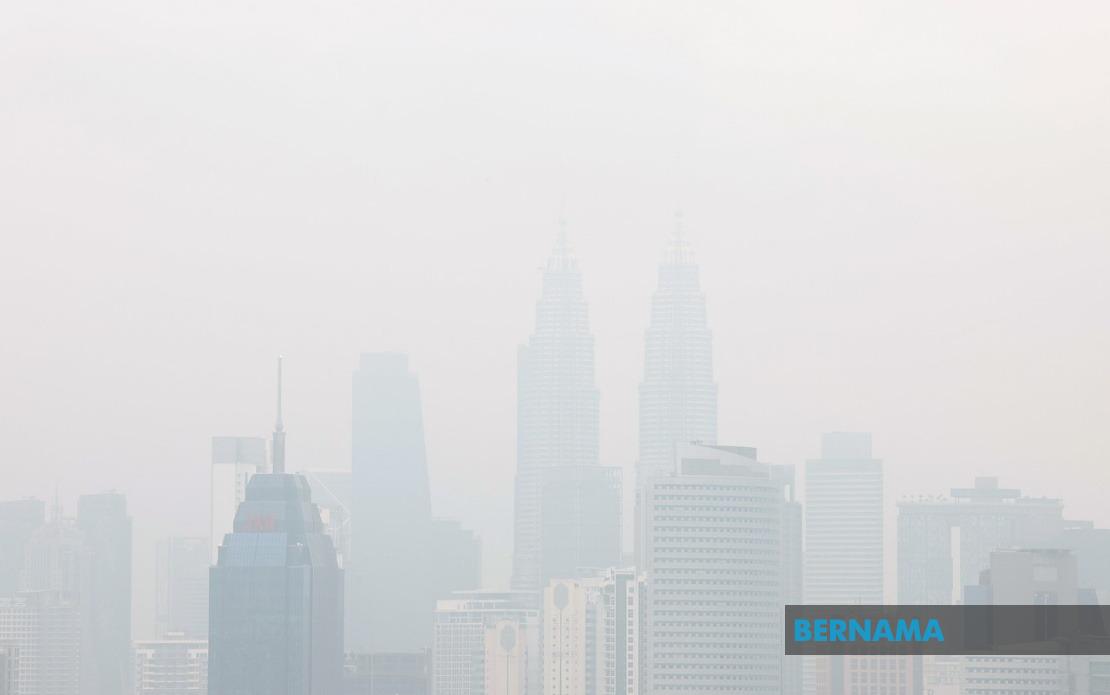
Malaysia's Youth and Sports Minister Dr Mohammed Taufiq Johari has moved to reassure the public that the ongoing haze crisis sweeping across Southeast Asia will not compromise the nation's training schedule ahead of the 2026 Aichi-Nagoya Asian Games, which will run from September 19 to October 3. The minister's statement comes as transboundary smoke pollution continues to affect the region, raising concerns about outdoor sporting activities during the critical pre-Games period. Speaking in Sungai Petani on August 29 following a community motorcycle convoy, Dr Taufiq outlined concrete measures designed to maintain athlete readiness while simultaneously prioritising their physical wellbeing amid the deteriorating air quality.
The government has already established a comprehensive framework to navigate the twin challenges of maintaining training momentum and protecting athlete health, according to the minister. Cabinet-level discussions have examined the escalating haze situation, and the Sports Ministry is actively tracking air quality developments to inform daily operational decisions. This inter-agency coordination signals recognition that the challenge extends beyond sport into broader public health territory, requiring input from multiple government departments. The decision to involve the National Sports Institute in planning reflects confidence in leveraging specialist expertise to develop context-appropriate solutions that account for Malaysia's unique climatic vulnerabilities.
Under the revised training protocols, outdoor sessions will be substantially reduced as national teams pivot toward indoor facilities across the country. This strategic reorientation seeks to maintain training intensity and volume while removing athletes from direct exposure to harmful particulate matter. Indoor stadiums, purpose-built sports halls, and climate-controlled training centers will absorb the activities previously conducted in open-air environments. The shift represents a practical adaptation rather than a wholesale disruption, allowing coaching staff to continue periodised training cycles while mitigating respiratory risks associated with prolonged exertion in polluted conditions.
The timing presents particular complications for Malaysia's Games preparations. With roughly three weeks separating the announcement from the opening ceremony, the window for high-volume outdoor conditioning work has effectively closed. This compressed schedule underscores why contingency planning cannot wait—coaches and administrators must immediately implement alternative protocols to prevent the loss of training momentum that could translate into diminished competitive performance when athletes arrive in Japan. The Asian Games represent a marquee event for regional pride and international standing, making preparation disruption politically and athletically consequential.
Transboundary haze, a recurring seasonal phenomenon in Southeast Asia, has emerged as a persistent challenge for the region's sporting calendar. Malaysia has previously grappled with air quality crises during critical competition periods, offering institutional memory that has informed current response protocols. However, the unpredictable nature of transboundary pollution means that even well-designed contingency measures cannot guarantee ideal training conditions. Athletes and coaches must demonstrate flexibility and resilience as outdoor schedules adjust in real-time based on Air Pollutant Index readings and meteorological forecasts.
From a competitive perspective, the shift toward indoor training may paradoxically benefit certain sports while disadvantaging others. Endurance athletes such as runners and cyclists typically require extended periods in open-air environments to develop aerobic capacity and acclimatise to race conditions. Confined indoor training, while necessary for health protection, may limit the specific adaptive stimulus that outdoor work provides. Conversely, technical and power-based sports relying on skill repetition and strength development may suffer minimal performance impact from venue changes. Coaching staff will need to strategically prioritise workload distribution across the athlete roster, ensuring that those competing in events most sensitive to training environment modifications receive particular attention.
The minister's emphasis on athlete health as a central priority signals official recognition that epidemiological damage from hazardous air exposure could prove more detrimental than temporary training modifications. Respiratory system stress, reduced oxygen uptake efficiency, and inflammation triggered by particulate inhalation may undermine performance more severely than weeks of altered training protocols. This calculus—trading some training specificity for preserved health—reflects mature risk management in a volatile environmental context.
Sungai Petani hosted Dr Taufiq's community engagement initiative, which combined the minister's official statement with grassroots political interaction. The motorcycle convoy, involving approximately 400 participants and spanning three hours, traversed the Sidam state constituency, Pantai Merdeka, and Bakar Arang. This dual-purpose approach allowed the minister to simultaneously address national sporting imperatives while conducting localised community outreach, demonstrating how official announcements often interweave policy substance with political engagement.
For Malaysian athletes currently in training camps or individual preparation cycles, the announcement provides regulatory clarity on acceptable operational parameters. Rather than remaining in uncertainty about whether outdoor training would proceed, athletes and coaches now possess explicit guidance permitting indoor emphasis without suggesting capitulation to environmental pressure. This clarity enables strategic planning and resource allocation, reducing the organisational paralysis that typically accompanies ambiguous policy environments. Sport institutes and individual federations can now rapidly mobilise indoor facility scheduling and adjust coaching philosophies accordingly.
The broader regional context matters considerably for understanding Malaysia's response. Other Southeast Asian nations will likely implement similar contingency measures, creating a competitive landscape where all regional rivals face comparable training constraints. This level playing field suggests that no single nation gains systematic advantage from haze-induced adaptations. However, depth of indoor training infrastructure varies across the region, potentially favouring wealthier nations with superior facility portfolios. Malaysia's National Sports Institute and its affiliated centers position the country relatively well to execute the announced shift toward climate-controlled environments.
Looking toward October's Games, the effectiveness of these preparation modifications will become evident through athletic performance metrics in Aichi-Nagoya. Medal counts and podium finishes will ultimately validate or challenge the hypothesis that indoor training adequately maintains competitive readiness across diverse sporting disciplines. The 2026 Asian Games will provide a natural experiment regarding whether transboundary haze—managed through facility-based rather than environmental interventions—truly represents the contained challenge that Dr Taufiq's statement implies.
As Southeast Asia confronts climate-related environmental degradation with increasing frequency, sporting organisations will likely need to institutionalise similar adaptive protocols. The normalisation of haze-adjusted training schedules may become routine rather than exceptional, fundamentally altering how the region approaches athletic preparation. Malaysia's current response represents an early case study in how nations balance environmental vulnerability against competitive sporting ambitions, offering lessons that extend beyond athletics into broader climate adaptation discourse across the developing world.

