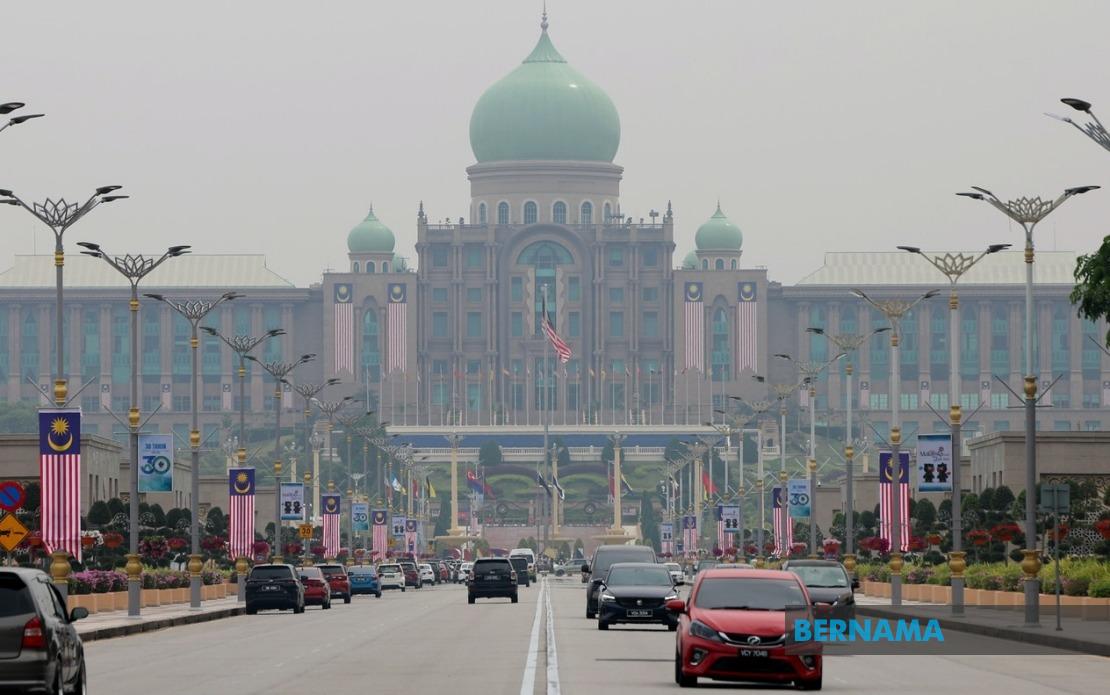
Prime Minister Datuk Seri Anwar Ibrahim will place the escalating haze problem at the forefront of discussions during his forthcoming bilateral engagement with the Sultan of Brunei, Sultan Hassanal Bolkiah, during the 27th Malaysia-Brunei Annual Leaders' Consultation scheduled to begin tomorrow. The environmental crisis, which has blanketed portions of the region in hazardous smoke, represents a pressing matter demanding attention at the highest diplomatic level between the two neighbouring nations.
Malaysian High Commissioner to Brunei Datuk Mohd Aini Atan confirmed that transboundary air pollution will feature prominently among the agenda items, reflecting its significance for both governments. The commissioner indicated during a press briefing in Bandar Seri Begawan that the environmental degradation affecting multiple jurisdictions warrants comprehensive discussion at the leaders' consultation, which serves as the paramount bilateral mechanism for Malaysia-Brunei relations.
Sarawak has emerged as the region's most severely impacted state, with air quality readings plummeting to alarming levels across numerous locations. The presence of Sarawak Premier Tan Sri Abang Johari Tun Openg and Sabah Chief Minister Datuk Seri Hajiji Noor during Anwar's delegation will amplify focus on the crisis affecting Malaysian Borneo. Their participation ensures that state-level perspectives and immediate remedial needs can be articulated directly to both nations' leadership.
Latest monitoring data from the Malaysian Air Pollutant Index Management System portal reveals the severity of the situation. Serian, located in Sarawak's southwestern region, recorded a reading of 204 as of 5 pm today, classifying the air quality as dangerous and requiring immediate action to protect public health. Residents in this category are advised to remain indoors and limit outdoor exposure to prevent respiratory complications.
Beyond Serian, five additional Sarawak municipalities are grappling with unhealthy air conditions, albeit marginally below the most severe threshold. Kuching, the state capital, registered 195, while Samarahan recorded 182. Sri Aman measured 179, Sarikei reached 158, and Sibu logged 152, indicating that the haze has achieved widespread geographic penetration across the state. This distributed pattern suggests the problem stems from multiple burning sources rather than a localized incident.
The haze phenomenon carries particular significance for Malaysia-Brunei relations given the countries' shared geographical proximity and environmental interdependence. Brunei, despite its smaller landmass and population, confronts identical transboundary air pollution challenges when regional sources generate smoke. Both nations have historically emphasized environmental cooperation, and this consultation provides an opportune moment to reaffirm commitments to addressing transboundary pollution through coordinated mechanisms.
The Annual Leaders' Consultation framework, now in its 27th iteration, reflects the institutionalized commitment between Malaysia and Brunei to address bilateral matters through regular high-level engagement. This established platform enables substantive dialogue beyond routine diplomatic channels, permitting frank discussion of sensitive environmental and economic concerns affecting both populations. The consultation structure allows leaders to set strategic directions while technical teams implement agreed initiatives.
Transboundary haze crises have periodically strained regional relations, particularly when upstream burning activities affect downstream nations. By elevating the issue to prime ministerial level, Malaysia signals the urgency it assigns to the problem and its expectation that Brunei will engage constructively on potential collaborative solutions. The discussion likely encompasses transborder monitoring systems, information-sharing protocols, and diplomatic approaches to addressing pollution sources beyond Malaysia's direct jurisdiction.
The delegation's composition, incorporating regional premiers, reflects institutional arrangements enabling comprehensive problem-solving during bilateral engagements. Rather than limiting discussions to federal representatives, the inclusion of Sarawak and Sabah leadership ensures that frontline perspectives inform diplomatic dialogue. These state leaders possess granular understanding of local air quality dynamics, fire management challenges, and public health implications that shape policy effectiveness.
For Malaysian observers and policymakers, this consultation underscores the nation's vulnerability to environmental factors originating beyond its borders. Sarawak's position on the island of Borneo, shared with Indonesia and Brunei, means that agricultural burning or industrial emissions from neighbouring jurisdictions inevitably degrade Malaysian air quality during unfavourable atmospheric conditions. Addressing this reality requires diplomatic persistence and technical cooperation that transcends conventional bilateral frameworks.
The timing of this consultation amid visible haze impacts carries symbolic weight, demonstrating responsiveness to citizen concerns and commitment to environmental protection as a bilateral priority. Public health dimensions of air pollution—respiratory diseases, cardiovascular complications, and developmental impacts on children—heighten the urgency surrounding this discussion. Both nations possess incentives to present collaborative environmental stewardship to their populations.
Moving forward, outcomes from this consultation may establish precedents for handling future transboundary environmental challenges within the Malaysia-Brunei relationship. Enhanced monitoring systems, early warning mechanisms, and coordinated diplomatic representation in regional forums addressing air quality could emerge as tangible deliverables. The discussion also positions Malaysia to advocate collectively with Brunei in multilateral Southeast Asian forums addressing haze mitigation and climate-related environmental pressures affecting the region.

