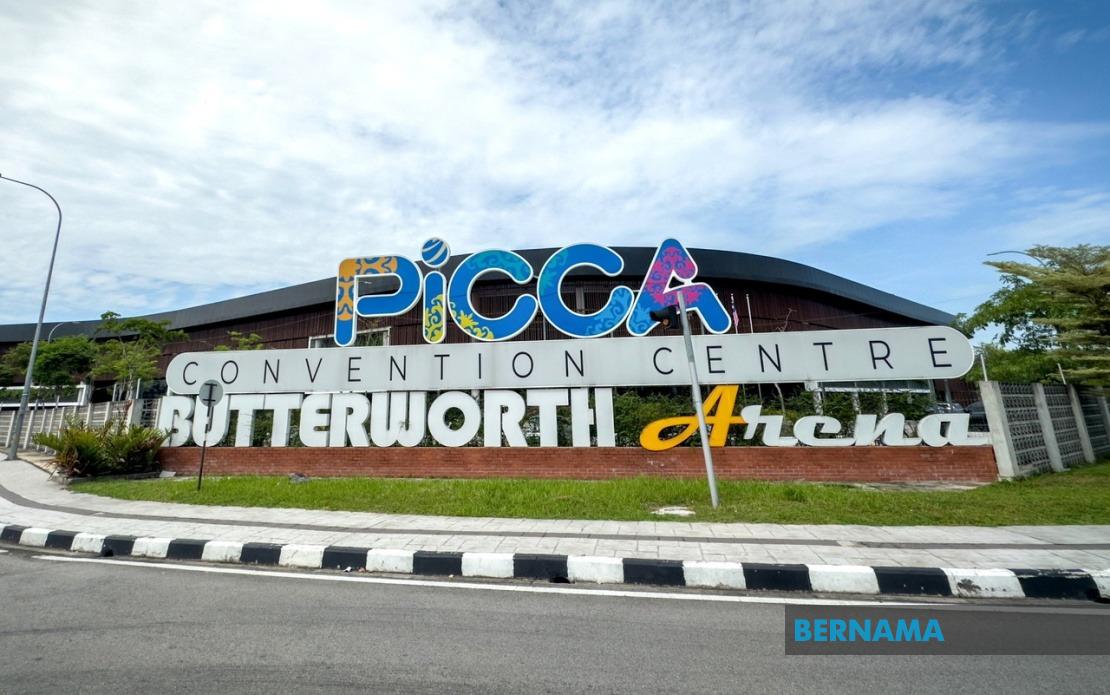
The sixth edition of Malaysia's National Journalists' Day (HAWANA) concludes today at the PICCA@Arena Butterworth Convention Centre, uniting roughly 1,000 media practitioners from domestic and international newsrooms. The day-long celebration underscores the journalism profession's continuing importance in democratic societies, particularly as Southeast Asia grapples with information credibility challenges and the proliferation of digital media platforms.
Prime Minister Datuk Seri Anwar Ibrahim will formally open the grand finale at 3 pm, lending high-level political endorsement to an event focused on reinforcing journalistic standards. This year's theme, 'Media Integrity Strengthens Credibility', strikes at the heart of contemporary concerns about misinformation and the erosion of public trust in traditional news organisations. The presence of the Prime Minister signals government recognition that a robust, independent media ecosystem serves national interests, even as tensions between press freedom and state oversight occasionally surface in Malaysian policy debates.
The gathering in Butterworth reflects significant diplomatic engagement across Southeast Asia. Indonesia's Antara News Agency, Vietnam News Agency, Xinhua News Agency, along with professional associations including the Indonesian Journalists Association and the Malaysia-Indonesia Journalists Friendship Association, will participate in proceedings. This regional representation demonstrates how journalism associations increasingly coordinate across borders to establish shared ethical standards and professional best practices, particularly relevant as digital distribution erodes traditional geographic boundaries for news content.
Senior Malaysian officials attending include Penang Chief Minister Chow Kon Yeow, Communications Minister Datuk Fahmi Fadzil, and Communications Ministry secretary-general Datuk Abdul Halim Hamzah. Bernama's leadership, including Chairman Datuk Seri Wong Chun Wai and Chief Executive Officer Datin Paduka Nur-ul Afida Kamaludin, will also be present. This multi-tier attendance structure underscores how journalism recognition has become institutionalised within Malaysia's governance framework.
Central to today's programme is the conferring of HAWANA Awards and Special HAWANA Awards, honouring individuals whose journalistic careers have substantially influenced public discourse and shaped societal understanding. Additionally, the Tabung Kasih@HAWANA component will distribute financial assistance to media veterans facing hardship, acknowledging that journalism in Malaysia, like the region broadly, often provides modest compensation relative to other professions. These recognition mechanisms serve both symbolic and practical functions—validating the profession's status while providing welfare support for an ageing cohort of practitioners.
Paralleling the formal ceremony is the three-day RIUH Pi HAWANA Carnival, extending through the convention centre parking precinct and featuring performances from Malaysian musical acts including Exists, Bunkface, Masdo, Sakura Band, Budak Nakal Hujung Simpang, and Chelsea Ng. This entertainment component broadens HAWANA's appeal beyond professional journalists to the general public, reflecting recognition that media literacy and appreciation for journalism's societal role extends beyond newsroom practitioners. Over 24 local creative product brands and 20 food vendors participate, transforming the professional observance into a community festival.
The carnival's interactive workshop offerings and vendor diversity suggest an attempt to position journalism and media-related professions as accessible career paths. For Malaysian youth considering professional trajectories, such events provide visibility into creative industries often overshadowed by engineering and business trajectories in national discourse. The inclusion of local creative enterprises alongside news industry presence reflects Malaysia's broader efforts to develop cultural and knowledge economies.
Leading into today's culmination, HAWANA 2026 incorporated several preceding programmes since May. A Media Forum held May 7 convened industry figures for substantive policy discussions, while a Strategic Partners Engagement Event on June 4 fostered relationships between news organisations and institutional stakeholders. A Fun Walk on June 14 attempted to mobilise public participation, achieving what organisers described as encouraging turnout. These scaffolded activities extend HAWANA beyond a single celebratory day into a month-long professional and public engagement initiative.
HAWANA annually commemorates May 29, 1939—the publication date of the inaugural Utusan Melayu newspaper—marking journalism's institutional entry into Malaysian public discourse. This historical anchoring provides continuity for the profession; contemporary journalists locate themselves within a genealogy stretching over eight decades. The Ministry of Communications' sponsorship, with Bernama as implementing agency, situates journalism recognition within governmental structures, though this arrangement occasionally raises questions among press freedom advocates regarding the independence of state-sponsored professional awards.
The 2026 edition's thematic focus on media integrity gains particular resonance in Malaysia's contemporary media landscape. Digital platforms have fractured once-dominant gatekeeping functions that legacy news organisations exercised, creating information ecosystems where unverified content circulates alongside professional journalism. By emphasising integrity, HAWANA implicitly advocates for standards-based differentiation between established news institutions and digital-native content creators, positioning professional journalists as essential filters against misinformation.
For Southeast Asian media practitioners, HAWANA represents the region's largest professional gathering of journalists. The participation of Vietnamese, Indonesian, and Chinese news agencies alongside Malaysian organisations creates networking opportunities and facilitates knowledge exchange regarding regional coverage challenges, source protection, and ethical standards adaptation to digital distribution. These cross-border professional relationships strengthen informal standards-setting mechanisms operating parallel to formal press councils or regulatory bodies.
The convergence of political leaders, international media delegations, entertainment programming, and community carnival elements reflects how journalism's professional identity has evolved beyond newsroom functions into broader cultural and civic roles. HAWANA 2026 simultaneously celebrates journalism's traditional gatekeeping functions while acknowledging that contemporary media practice extends into community building, cultural production, and public engagement—roles increasingly central to newsroom operations navigating digital transition.
Today's Butterworth gathering ultimately represents Malaysian journalism's institutional self-reflection—a profession seeking to reaffirm its credibility and social value at a moment when trust metrics are declining and economic models remain uncertain. The assembly of politicians, international counterparts, and public participants suggests tentative optimism that journalism's foundational importance to informed citizenship can be reasserted, even as the digital era fundamentally restructures how information flows through society.
%22%2F%3E%3C%2Fpattern%3E%3C%2Fdefs%3E%3Crect%20width%3D%22100%25%22%20height%3D%22100%25%22%20fill%3D%22url(%23ph1ap43g)%22%2F%3E%3Crect%20width%3D%22100%25%22%20height%3D%22100%25%22%20fill%3D%22url(%23ph1ap43p)%22%2F%3E%3Ctext%20x%3D%2250%25%22%20y%3D%2250%25%22%20text-anchor%3D%22middle%22%20dominant-baseline%3D%22central%22%20fill%3D%22rgba(255%2C255%2C255%2C0.95)%22%20font-family%3D%22Georgia%2C%20'Times%20New%20Roman'%2C%20serif%22%20font-weight%3D%22700%22%20font-size%3D%22320%22%20letter-spacing%3D%22-0.02em%22%3EMiri%3C%2Ftext%3E%3C%2Fsvg%3E)
%22%2F%3E%3C%2Fpattern%3E%3C%2Fdefs%3E%3Crect%20width%3D%22100%25%22%20height%3D%22100%25%22%20fill%3D%22url(%23ph3qw4bg)%22%2F%3E%3Crect%20width%3D%22100%25%22%20height%3D%22100%25%22%20fill%3D%22url(%23ph3qw4bp)%22%2F%3E%3Ctext%20x%3D%2250%25%22%20y%3D%2250%25%22%20text-anchor%3D%22middle%22%20dominant-baseline%3D%22central%22%20fill%3D%22rgba(255%2C255%2C255%2C0.95)%22%20font-family%3D%22Georgia%2C%20'Times%20New%20Roman'%2C%20serif%22%20font-weight%3D%22700%22%20font-size%3D%22170%22%20letter-spacing%3D%22-0.02em%22%3EMalaysia%3C%2Ftext%3E%3C%2Fsvg%3E)