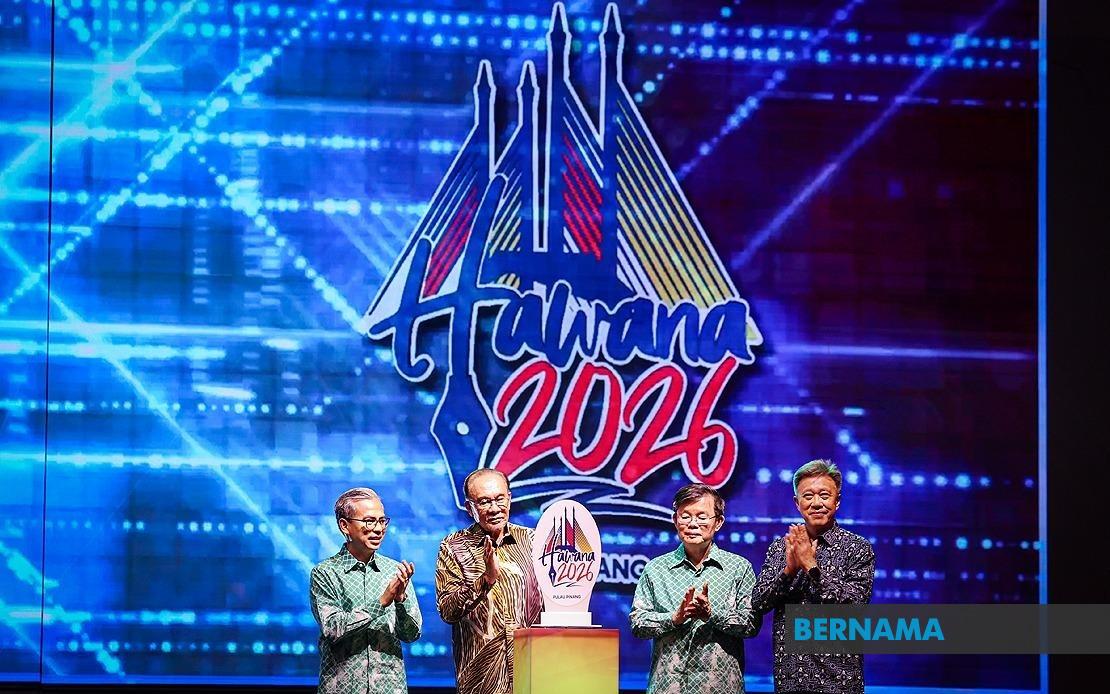
Malaysia's journalism community concluded three days of celebration at the PICCA@Arena Butterworth Convention Centre as the 2026 National Journalists' Day (HAWANA) drew to a close, marking another milestone for the country's media landscape. The event, held under the theme 'Media Integrity Strengthens Credibility', assembled nearly 1,000 media professionals from Malaysia alongside delegates from Indonesia, Cambodia, and Timor-Leste, underscoring the regional significance of journalism as a profession and the importance of fostering stronger ties across Southeast Asia's media industries.
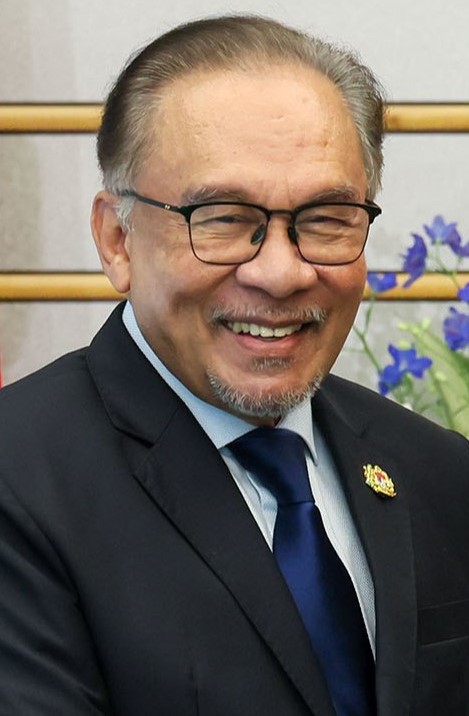
Prime Minister Datuk Seri Anwar Ibrahim's official opening on Saturday elevated the occasion by reaffirming government support for the fourth estate. Beyond ceremonial recognition, Anwar announced a fresh RM1 million injection into the Tabung Kasih@HAWANA welfare fund, demonstrating tangible commitment to supporting journalists facing hardship. This allocation reflects growing acknowledgment that media practitioners operate in an increasingly challenging environment, where technological disruption, economic pressures, and changing business models have strained newsrooms across the region. The announcement also confirmed continuation of the Media Innovation Fund, a complementary initiative designed to help local news organisations navigate digital transformation and develop sustainable revenue models in an era when traditional advertising has collapsed.
The welfare fund mechanism has already proven its value since establishment in 2023. Across its three-year operation, the scheme has distributed RM2.26 million in assistance to 773 media practitioners, reflecting genuine hardship within the profession. The latest allocation, combined with a RM500,000 contribution from newly announced strategic partner Telekom Malaysia, signals that corporate Malaysia recognises the mutual interest in supporting a robust independent media sector. The addition of a major telecommunications company to the fund's patron list suggests expanding recognition that media sustainability serves broader national interests beyond journalism itself.
Recognition of individual excellence formed another pillar of the HAWANA 2026 programme. Datuk Suhaimi Sulaiman, former Broadcasting director-general, received the HAWANA Award in acknowledgment of career-long contributions to both broadcasting and journalism standards. His selection reflects the event's emphasis on honouring professional achievement and institutional memory at a time when the media industry faces generational transitions. More poignantly, the event paid tribute to Azlan Idris, former head of Bernama Radio, who passed away on January 15 at age 57. The posthumous presentation of the Special HAWANA Award 2026 to his widow, Wan Syahrina Wan Abdul Rahman, highlighted Azlan's instrumental role in establishing Bernama Radio since 2007 and his contributions across multiple broadcasting organisations spanning TV3, NTV7, and Channel 9. His four-time involvement in organising HAWANA itself underscored the interconnected nature of Malaysia's media leadership across generations.
Regional cooperation emerged as a significant dimension of the gathering, extending beyond ceremonial speeches into formal institutional arrangements. Bernama and Timor-Leste's national news agency, Agência Noticiosa de Timor-Leste (TATOLI), formalised a memorandum of understanding facilitated by Communications Minister Datuk Fahmi Fadzil. This bilateral agreement, witnessed by Prime Minister Anwar and Timor-Leste's Secretary of State for Social Communication Expedito Loro Dias Ximenes, establishes frameworks for news exchange, training cooperation, and professional development between the two agencies. Such arrangements carry significance for a relatively young nation like Timor-Leste seeking to establish independent media institutions, while reinforcing Malaysia's position as a media industry leader within ASEAN.
Beyond formal proceedings, the RIUH Pi HAWANA Carnival created a public-facing dimension to professional celebration. Running parallel to official sessions across three days, the carnival concluded Sunday evening after hosting performances by contemporary Malaysian acts including Exists, Bunkface, and Kugiran Masdo. This creative dimension, organised through collaboration between the Communications Ministry and MyCreative Ventures, integrated more than 24 local creative brands and 20 food and beverage vendors alongside interactive workshops. The carnival approach transformed what might have remained an industry-insider event into a public celebration of Malaysian cultural creativity, demonstrating how media practitioners operate within and champion broader creative industries.
Professional discourse formed the intellectual foundation of the three-day programme. The Malaysia Media Retreat 2.0, organised by the Malaysian Federation of Media Clubs, provided space for senior leaders to address industry-wide challenges. Complementing this, a Malaysian Press Institute town hall tackled forward-looking questions through its session titled '2035: Will Journalists Still Exist?', forcing practitioners to confront existential questions about journalism's future amid artificial intelligence advancement, algorithmic content distribution, and shifting audience consumption patterns. A separate dialogue with the Communications Minister, along with a dinner hosted by the Malaysian Media Council, reinforced professional standards discussions and institutional connections among leaders navigating transformation.
Penang's role as host carried significance beyond logistics. The Butterworth venue showcased the state's capacity to manage large-scale national events, delivering both ceremonial success and measurable economic benefits through accommodation, hospitality, and transport services. Penang Governor Tun Ramli Ngah Talib's hosting of an evening dinner for nearly 350 media practitioners the day before the main ceremony highlighted how state leadership recognises media's nation-building contribution. This recognition extended to honouring both serving journalists and veteran practitioners, acknowledging journalism's cumulative institutional knowledge often overlooked in contemporary media criticism.
Bernama's organisational leadership deserves specific note, as the national news agency managed the event's complex logistics entirely through in-house expertise. The successful execution included a first-ever live television broadcast of HAWANA proceedings, demonstrating Bernama's technical and editorial capacity on a substantial scale. This achievement carries implications for Bernama's institutional standing within Malaysian media, particularly as the organisation positions itself beyond traditional wire service functions toward broader industry leadership and event management capabilities.
The celebration ultimately encapsulated Malaysia's media industry at a pivotal moment. HAWANA 2026 demonstrated that despite significant structural challenges—declining advertising revenues, digital disruption, shifting audience behaviours—Malaysia's journalism community retains capacity for collective reflection, mutual support, and forward planning. The attendance of nearly 1,000 practitioners, the involvement of ASEAN colleagues, and the Prime Minister's direct participation signal that Malaysian society, at least at policy level, continues viewing journalism as a profession deserving institutional support and public recognition. Whether this rhetorical and financial commitment translates into sustainable models for quality journalism remains the unresolved challenge facing the industry beyond HAWANA's celebratory scope.