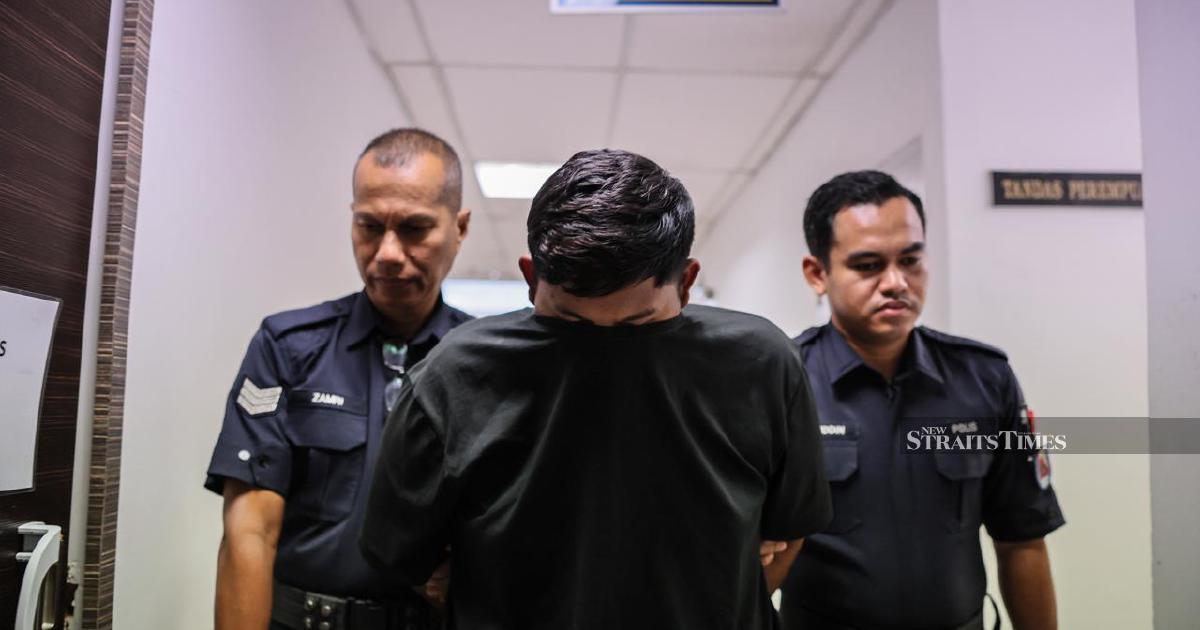
A 25-year-old hardware store worker entered a not guilty plea at the Sessions Court in Kuala Terengganu when arraigned on charges of raping and sexually assaulting his 16-year-old biological sister, marking the formal commencement of legal proceedings in what authorities say is an intrafamilial abuse case.
The accused's plea represents the first significant procedural step in a case that highlights the ongoing problem of sexual violence within Malaysian families. Cases involving minors and close relatives present particular challenges for the justice system, as they often involve vulnerable victims who may struggle with complex emotional and psychological trauma stemming from breaches of trust within the family unit.
Incest and child sexual abuse cases in Malaysia have drawn increasing scrutiny from advocacy groups and civil society organisations in recent years. While comprehensive national statistics on such crimes remain limited, reported cases suggest a persistent problem that extends across socioeconomic boundaries. The fact that this alleged perpetrator worked in what is typically viewed as an ordinary, everyday occupation underscores how such offences can occur within seemingly unremarkable family circumstances.
The Sessions Court in Kuala Terengganu, like other district courts across the country, has been tasked with managing an expanding caseload of serious criminal matters. The court system's capacity to handle such sensitive cases efficiently while protecting the rights of both the accused and the victim remains a continuing challenge for the Malaysian judiciary. Legal proceedings in sexual assault cases often extend over considerable periods, requiring multiple hearings and procedural steps before reaching resolution.
Victims of intrafamilial sexual abuse frequently face additional barriers to seeking justice compared to those abused by strangers. Family dynamics, concerns about public shame, economic dependency, and fear of family dissolution can all inhibit reporting. When such cases do reach the courts, they demand careful handling to protect the vulnerable party while ensuring the accused receives fair treatment under the law. Malaysian courts have increasingly adopted measures aimed at protecting child witnesses, including the use of closed-circuit testimony and trained counsellors.
The age differential in this case—between a 25-year-old adult and a 16-year-old—represents a significant power imbalance that would be a factor in legal proceedings. Malaysian law treats the protection of minors as a paramount concern, particularly in sexual offence cases. The Criminal Procedure Code and substantive criminal law provisions recognise the vulnerability of adolescents and establish heightened standards of protection.
Local support organisations and women's rights advocates in Terengganu and across Malaysia have long emphasised the importance of robust victim support mechanisms throughout legal proceedings. The Terengganu branch of women's advocacy groups has previously highlighted how survivors of sexual abuse require specialised counselling, safe accommodation, and financial assistance to participate effectively in court processes without further re-traumatisation.
The forthcoming trial will examine the evidence presented by prosecution authorities, who will need to establish their case beyond reasonable doubt. The defence will have the opportunity to challenge testimony and present alternative explanations for the allegations. The burden of proof in criminal cases—the highest standard in Malaysian law—means that the outcome will depend entirely on the quality and credibility of evidence adduced by both sides.
For the broader Malaysian community, such high-profile cases serve as reminders of the vulnerability of young people within family settings. Child protection experts have consistently advocated for enhanced public education about recognising warning signs of abuse, the importance of reporting mechanisms, and the psychological support available for survivors. Schools, community centres, and medical facilities all play roles in identifying and responding to suspected abuse.
The duration of legal proceedings in sexual assault cases frequently extends beyond expectations, creating prolonged uncertainty for all parties involved. Witnesses may face multiple cross-examinations, medical evidence may require expert testimony, and procedural matters can arise that extend the timeline considerably. This extended process, while necessary to ensure justice, can impose significant emotional costs on victims and their families.
Malaysia's position within the ASEAN region places these domestic criminal justice matters within a broader Southeast Asian context where child protection and sexual violence remain pressing concerns. International organisations and neighbouring countries have increasingly emphasised the importance of robust legal frameworks and effective enforcement mechanisms in addressing such offences. The Malaysian court system's handling of cases like this contributes to the broader regional conversation about accountability and victim protection.
The outcome of this case will likely be scrutinised by civil society organisations, legal professionals, and victim advocacy groups across the country. Such high-profile proceedings, while painful for those directly involved, contribute to public awareness about the prevalence of sexual abuse and reinforce societal expectations regarding accountability for such serious offences. The Sessions Court's management of this case will be observed as indicative of the Malaysian legal system's capacity to handle sensitive criminal matters with both rigour and compassion.

