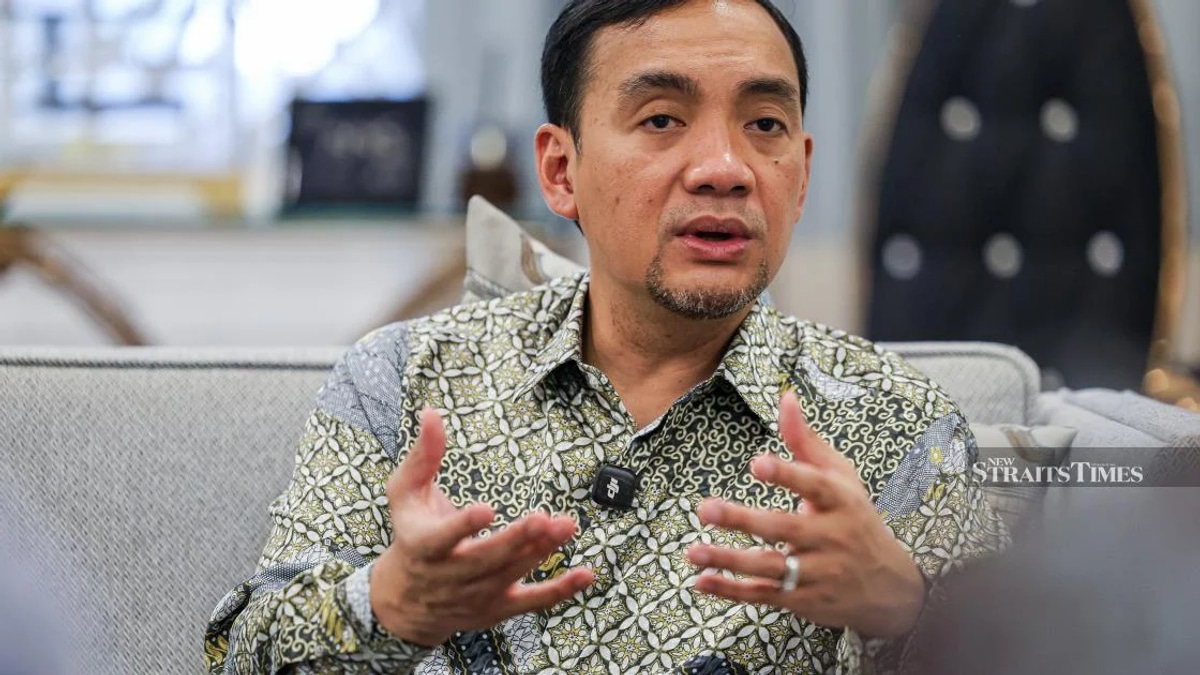
Hamzah Zainudin's return to prominence within Perikatan Nasional represents a calculated political manoeuvre by the PAS-led opposition coalition to reshape its electoral narrative and appeal to moderate Malaysian voters ahead of the next general election. Political analysts tracking the coalition's movements believe this strategic positioning reflects an effort to counterbalance perceptions of ideological rigidity that have previously hindered the opposition's broader appeal across Malaysia's diverse electorate.
The PAS-dominated coalition has reportedly identified Hamzah as their preferred figure to lead the party's GE16 campaign messaging, viewing his political profile as instrumental in advancing what senior strategists describe as a "moderate narrative." This represents a significant decision within opposition circles, as the choice of campaign frontman carries substantial weight in determining how parties are perceived by undecided voters and swing constituencies across the country.
Observers of Malaysian political dynamics note that the opposition coalition has faced persistent challenges in shedding associations with stricter ideological positions, particularly regarding religious governance and social policy frameworks. These perceptions have historically proven costly in urban and ethnically diverse areas, where voters prioritise secular governance, economic pragmatism, and pluralistic values. By elevating Hamzah's profile as a campaign spokesperson, Perikatan Nasional appears intent on signalling flexibility and openness to broader constituencies beyond its traditional support base.
Hamzah's political trajectory and public presentation have long positioned him as a figure capable of bridging ideological divides within Malaysian politics. His experience navigating complex coalition dynamics and his measured communication style have made him an attractive asset for coalition leaders seeking to cultivate credibility among centrist voters who might otherwise view the opposition with scepticism. This selection underscores how Malaysian opposition coalitions must carefully manage their public image across multiple demographic and geographic segments.
The strategic deployment of Hamzah as the coalition's principal voice during the GE16 campaign reflects broader calculations about electoral competitiveness in Malaysia's two-coalition political landscape. Opposition strategists evidently believe that projecting a moderate, pragmatic image will prove more effective in persuading swing voters than maintaining stricter positions on governance and social issues. This represents a fundamental acknowledgement that electoral success in Malaysia increasingly depends on coalition leaders' ability to appeal beyond their core ideological supporters.
For the broader Malaysian electorate, this development carries implications for how political choices are framed during the campaign period. Voters will encounter an opposition coalition attempting to emphasise economic management expertise, administrative competence, and inclusive governance principles rather than ideological distinctiveness. The prominence afforded to Hamzah in this effort suggests that Perikatan Nasional's leadership believes centrist positioning offers a viable path to challenging the incumbent coalition's electoral dominance.
Regional observers have noted that similar dynamics are playing out across Southeast Asia, where opposition coalitions frequently struggle to present unified, moderate images while maintaining internal coherence across ideologically diverse party memberships. Malaysia's experience may offer instructive lessons for how regional political movements attempt to broaden their electoral appeal without alienating core supporters who expect principled representation of specific policy positions.
The timing of Hamzah's emergence within the coalition's leadership hierarchy also reflects shifting internal dynamics within Perikatan Nasional. Coalition leadership structures must balance representation of PAS's Islamic political programme with appeals to non-Malay and non-Muslim voters whose participation proves essential for achieving governing majorities in Malaysia's complex electoral mathematics. Hamzah's positioning as a moderate voice serves this balancing function, offering both internal coalition members and external voters reassurance about the coalition's governing philosophy.
For Malaysian business interests and investor communities, this repositioning carries economic implications. Opposition coalitions perceived as moderate and pragmatic on fiscal and regulatory matters tend to attract greater confidence from commercial stakeholders than those associated with ideological rigidity. Hamzah's prominence in the GE16 campaign narrative may therefore influence investment confidence and business planning assumptions about potential governance transitions.
Political observers anticipate that Hamzah's campaign role will extend to policy articulation and economic messaging, areas where the opposition coalition seeks to establish competitive differentiation from the incumbent government. His selection reflects a judgment that this particular figure possesses sufficient credibility and communication capacity to address investor concerns while maintaining coalition cohesion around shared policy positions. This represents the type of strategic personnel decision that often proves consequential in determining electoral outcomes.
The opposition's emphasis on moderate positioning through Hamzah's profile also reflects demographic shifts within Malaysia's voting population. Younger voters, urban constituencies, and educated middle-class segments increasingly prioritise economic governance and social stability over strict ideological positions. By centering its campaign narrative on moderate pragmatism rather than ideological distinctiveness, Perikatan Nasional is attempting to compete effectively for votes among these electorally significant groups.
Looking toward the GE16 campaign period itself, analysts expect this moderate image cultivation to shape opposition coalition communications strategies across media platforms, campaign events, and policy announcements. The consistency with which coalition leaders maintain this positioning will likely influence its effectiveness in persuading undecided voters concerned about governance continuity and economic management. Whether this strategy succeeds in translating improved public perception into actual electoral gains remains contingent on broader political developments and voter reception of competing coalition narratives.