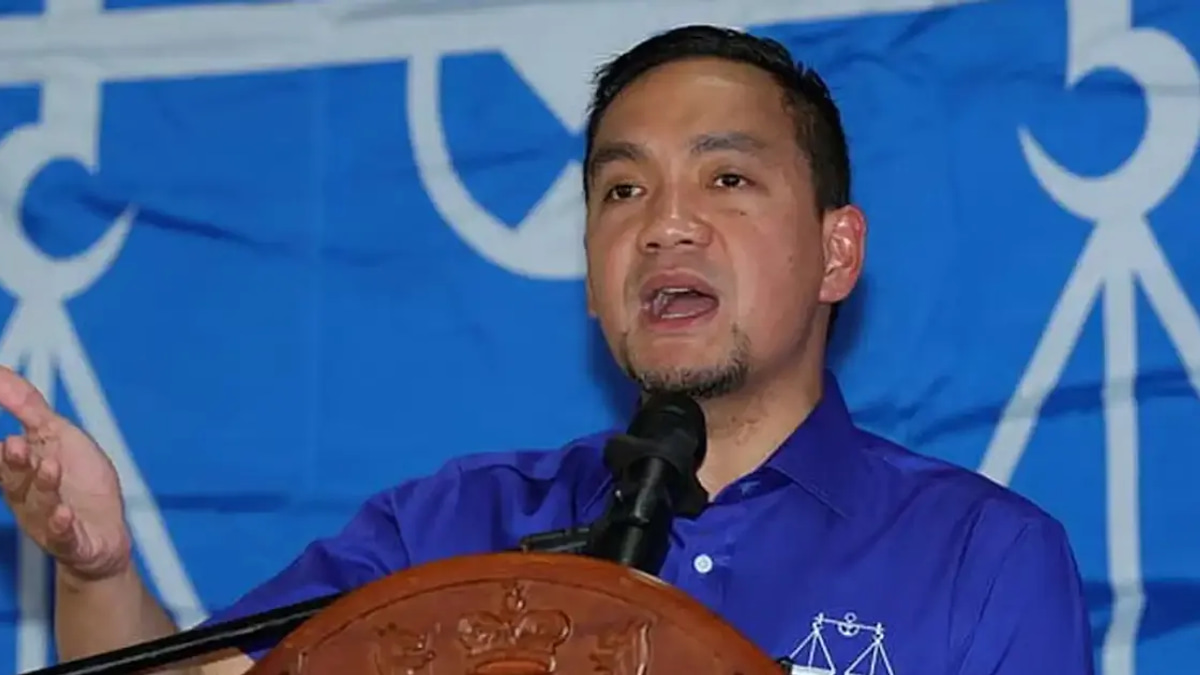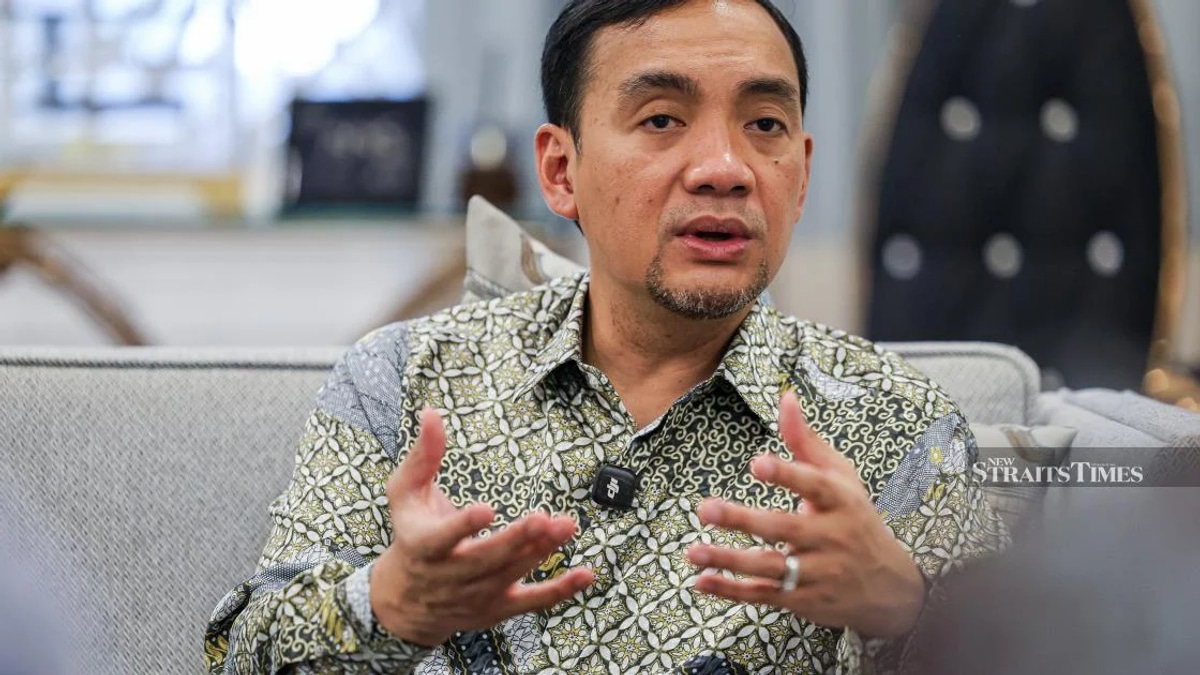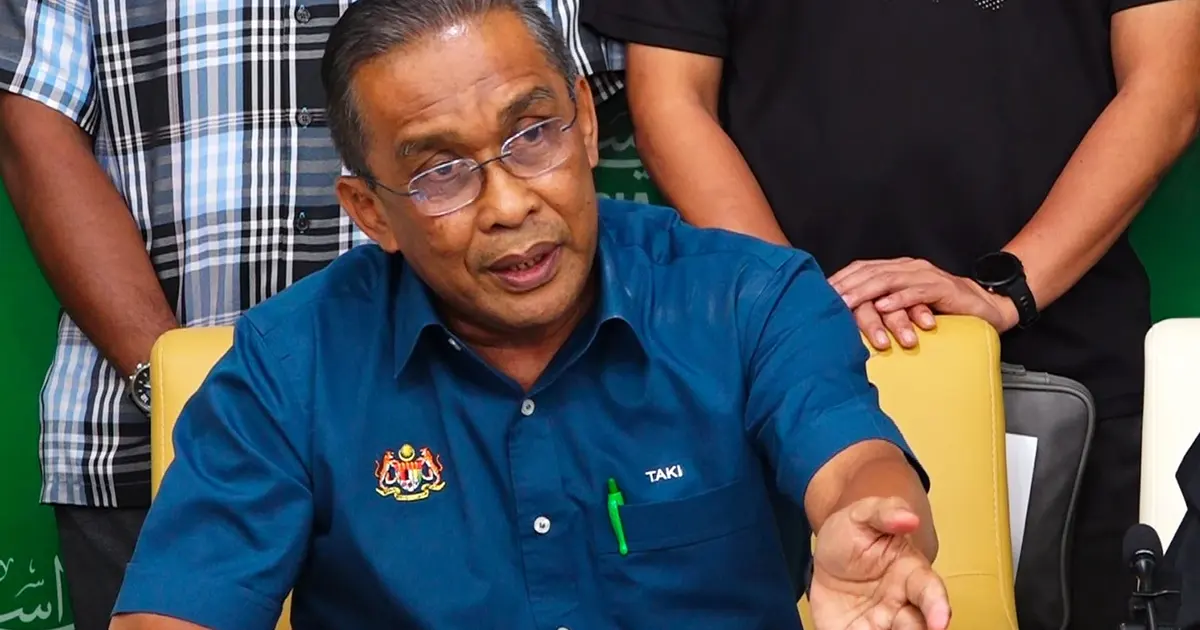
Perikatan Nasional's chief whip Takiyuddin Hassan has formally informed the Speaker of the Dewan Rakyat that Hamzah Zainudin will resume his position as opposition leader, with the changeover taking effect immediately. The notification marks a significant shift in the parliamentary opposition landscape and reflects evolving factional dynamics within Malaysia's fragmented opposition bloc.
According to Takiyuddin's notification, a substantial contingent of 61 opposition MPs have endorsed Hamzah's appointment to the leadership role. This level of backing underscores the considerable influence that PN commands within the broader opposition ranks, particularly given that the formal opposition bloc has struggled to maintain unified direction across its various constituent parties and independent members. The coordination required to secure agreement from such a large number of legislators signals careful political orchestration behind the scenes.
Hamzah Zainudin's return to the opposition leadership represents a notable chapter in his political trajectory. As former Bersatu deputy president, he brings considerable parliamentary experience and established relationships across different opposition factions. His reappointment suggests that PN views him as an effective spokesperson for opposition interests and a figure capable of commanding respect among diverse legislators who may not otherwise align on policy matters. The timing of this transition warrants examination against the backdrop of ongoing political negotiations and shifts in parliamentary mathematics.
The opposition leadership structure holds practical significance for parliamentary operations. The opposition leader traditionally serves as the primary interlocutor with government on matters of procedure, parliamentary business, and legislative scrutiny. This role requires both diplomatic skill and command of parliamentary rules, as the opposition leader must articulate concerns from multiple parties while maintaining sufficient internal coalition discipline to mount credible challenges to government initiatives. Hamzah's experience positions him to navigate these complexities.
For Malaysian observers tracking opposition dynamics, this development illustrates the persistent fragmentation that has characterised the post-2022 period. Rather than coalescing around a single opposition framework, the various groupings have maintained their separate identities while coordinating on specific parliamentary matters. The 61-MP backing for Hamzah suggests pragmatic consensus rather than ideological alignment—different opposition factions apparently judging him acceptable as a figurehead leader even as they maintain distinct party structures and policy positions.
The PN's ability to orchestrate this transition reflects its consolidation as a significant parliamentary force. Having repositioned itself from government participation to opposition role, the coalition has sought to shape opposition dynamics to its advantage. By securing the opposition leadership position for a figure acceptable across factional lines, PN gains both the formal platform of leadership and the informal influence that comes with coordinating a broad legislative coalition.
This manoeuvre carries implications for the government's legislative agenda. An opposition leader commanding support from 61 MPs possesses meaningful capacity to scrutinise and obstruct government bills, demand parliamentary time for debate, and articulate alternative policy directions. While not sufficient to defeat legislation on its own, this bloc represents a substantial parliamentary presence that must be strategically considered by the government in managing its legislative timetable.
The notification procedure itself—with the chief whip formally advising the Speaker—reflects established parliamentary convention. This process ensures that the Speaker's office possesses accurate information about opposition composition and leadership, facilitating proper administration of parliamentary business and allocation of time for opposition perspectives. The formality of Takiyuddin's notification underscores the legitimacy of the transition within parliamentary structures.
Looking forward, Hamzah's leadership will be tested on multiple fronts. He must articulate opposition positions on major government initiatives while preventing the coalition from fragmenting over disagreements. He must also position the opposition effectively ahead of potential mid-term elections or other political developments that could reshape parliamentary mathematics. His success depends partly on factors beyond his control—the stability of opposition support and the broader political environment.
For Malaysian voters and political observers, this transition reinforces how parliamentary politics continues to operate through coalition-building and factional negotiation rather than clear programmatic divides. Opposition unity remains tactical rather than ideological, creating both flexibility and vulnerability. The question of whether this constellation of forces can maintain coherence or will eventually reorganise into different configurations remains unresolved, keeping Malaysian politics in a state of fluid realignment.