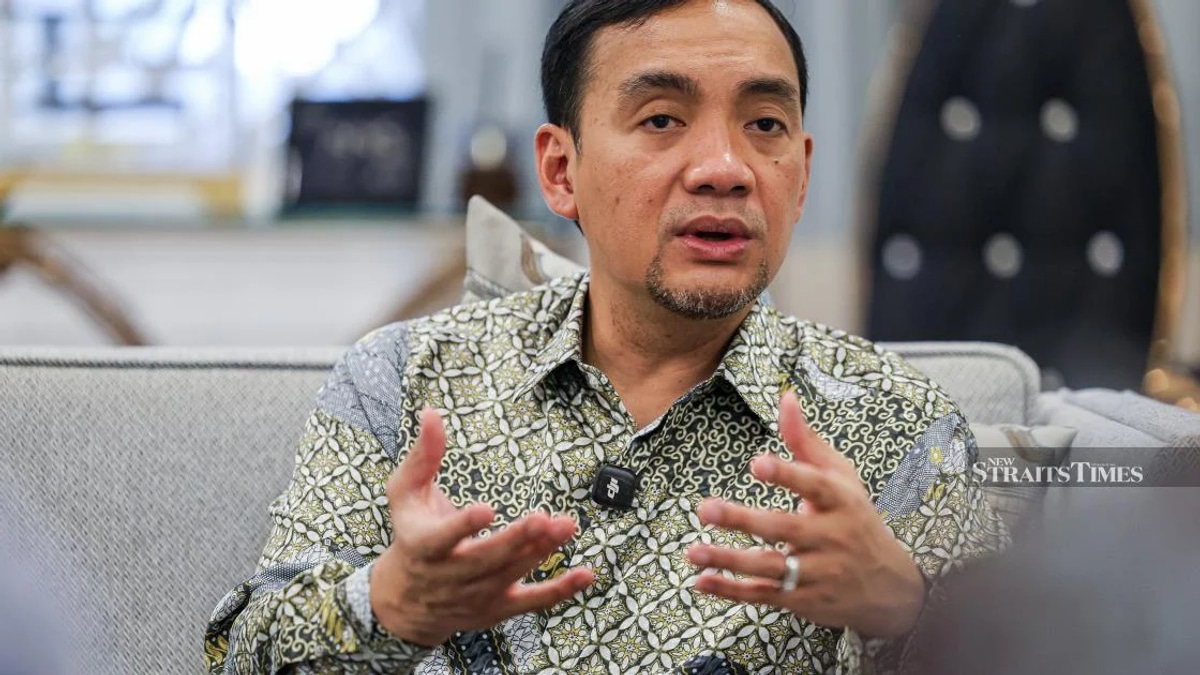
Senior opposition figures, including notable lawmaker Hamzah, have been sighted attending discussions at PAS headquarters, signalling renewed political manoeuvring within Malaysia's broader coalition landscape. The closed-door gathering reflects mounting activity within the Perikatan Nasional camp, a coalition that has faced considerable strain after PAS terminated its partnership with Bersatu just seven days earlier. The meeting underscores the fluid and competitive nature of Malaysia's opposition politics, where alignments and alliances frequently shift in response to leadership disputes and strategic repositioning.
PAS's decision to formally end its association with Bersatu represents a watershed moment in Perikatan Nasional's relatively short existence. When the coalition was first established, it was envisioned as a unifying force to consolidate non-UMNO Malay and Muslim-majority opposition support. However, internal contradictions and competing ambitions among its constituent parties have persistently threatened coherence. The rupture between the two largest components of this coalition signals that such fractures may now be becoming irreversible, forcing individual parties to pursue independent trajectories while potentially exploring new partnerships.
The involvement of Hamzah, a figure with considerable influence within opposition circles, suggests that the current realignment carries implications extending beyond routine party-level negotiations. His presence at PAS headquarters indicates either direct involvement in discussions or a signal of solidarity with PAS leadership at a critical juncture. For Malaysian political observers, such high-profile appearances carry symbolic weight and often presage substantive shifts in parliamentary mathematics and coalition composition.
The timing of these developments coincides with broader uncertainty about Malaysia's political direction. The country has experienced multiple government formations and coalition reshuffles over recent years, creating persistent instability that affects policymaking and governance effectiveness. When major opposition movements undergo reconfiguration, the ripple effects extend to parliamentary voting patterns, committee compositions, and the government's operational capacity to advance legislative agendas. Understanding these shifts matters considerably for assessing the stability of any ruling administration.
PAS's strategic calculations in severing ties with Bersatu likely reflect divergent views on several fronts. The two parties have long maintained different electoral bases and organisational philosophies, with PAS historically positioning itself as the primary Islamist political force while Bersatu appeals to broader Malay nationalist constituencies. Moreover, leadership personalities and jockeying for supremacy within the coalition probably contributed to the breakdown. Such internal dynamics frequently receive less public attention than formal policy disagreements, yet they often determine coalition longevity more decisively.
For Malaysian and Southeast Asian observers, the dissolution of the Perikatan Nasional partnership carries implications for Islamic politics in the region. PAS represents one of Asia's most electorally successful Islamist parties, while Bersatu, though newer, has attempted to combine Islamist messaging with secular nationalist appeals. Their separation may reshape how these political traditions evolve independently and potentially influence opposition mobilisation strategies heading into future electoral cycles.
The succession of meetings and consultations observed at PAS headquarters over recent days suggests the party is actively exploring alternative alliance configurations. Whether such discussions involve formal coalition-building with other opposition parties, exploratory talks with potential breakaway factions, or internal strategic reassessment remains unclear from publicly available information. Nevertheless, the intensity of activity indicates that PAS leadership views the current moment as opportune for repositioning the party within Malaysia's political architecture.
Historically, Malaysian opposition coalitions have demonstrated remarkable impermanence. From Barisan Alternatif to Pakatan Rakyat to Perikatan Nasional, these alliances have repeatedly fractured under the pressure of competing interests and personality conflicts. Each dissolution has forced constituent parties to recalculate their electoral strategies and organisational priorities. PAS's exit from Perikatan Nasional follows this established pattern, suggesting that Malaysia's fragmented opposition landscape may continue resisting stable coalition-building, at least in the medium term.
The broader governance implications deserve consideration. A fractionalised opposition typically benefits ruling administrations by reducing the coherence of legislative opposition and making alternative government formations appear unstable or unviable. Conversely, when opposition parties genuinely reinvigorate themselves through strategic repositioning, they may emerge more focused and potentially more electorally competitive. Whether the current Perikatan Nasional breakup ultimately strengthens or weakens the collective opposition capacity remains uncertain and will depend substantially on how individual parties capitalise on their newfound independence.
For PAS specifically, separation from Bersatu offers opportunities to consolidate its identity as the primary vehicle for Islamic-oriented politics in Malaysia without dilution from other coalition partners. This clearer positioning may appeal to core supporters who favoured the party's historical ideological consistency. Simultaneously, it removes PAS from association with Bersatu's various internal difficulties and reputational challenges, potentially allowing the party to rebuild its public standing more independently.
The meetings at PAS headquarters also reflect the premium that Malaysian politicians place on personal relationships and behind-the-scenes negotiations. Formal policy documents and public statements matter, certainly, but the actual mechanics of coalition formation, dissolution, and realignment frequently occur through exactly such gatherings as these, where senior figures assess compatibility, negotiate terms, and probe potential arrangements without the constraints of public scrutiny. These discussions represent the genuine currency of Malaysian opposition politics.
Looking forward, observers should monitor whether other opposition parties formally respond to PAS's repositioning. Depending on subsequent developments, the political landscape could crystallise into new configurations, or alternatively, this moment could presage a more prolonged period of fluidity and negotiation. For Malaysian readers assessing their country's political trajectory, the fundamental point remains that significant structural shifts are underway within the opposition, with consequences that will likely become apparent over the coming months.