An escalating outbreak of H5N1 bird flu across South Australia is raising alarm among marine scientists and wildlife experts who fear the highly pathogenic strain will inevitably infect the region's critically endangered sea lion population. The discovery of suspected cases in seabirds along the state's south-east coast has triggered urgent warnings about the potential for catastrophic losses among one of the world's rarest marine mammals, with authorities moving quickly to implement protective measures at key breeding sites.
Health officials in South Australia have documented a sharp acceleration in detections, with 40 confirmed or suspected cases now recorded across the state. The pace of discovery has proven particularly worrying, as 33 of these cases emerged within just four days from Monday onwards, suggesting the virus is spreading rapidly through local bird populations. Meanwhile, the outbreak extends well beyond South Australia's borders, with 14 confirmed cases identified across other Australian states and territories since the strain's initial detection on the mainland in June. This geographical spread underscores the difficulty in containing a pathogen that spreads through migratory bird populations.
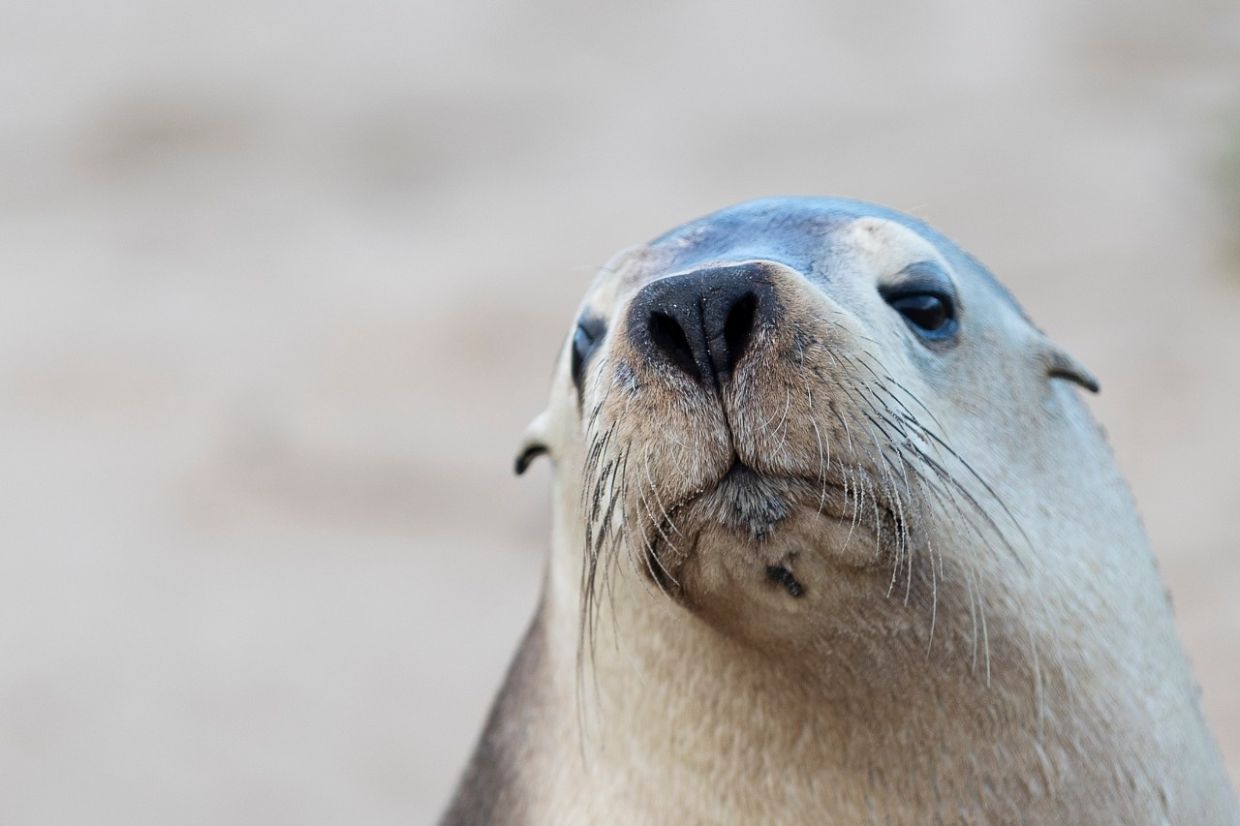
The immediate focal point of concern is Seal Bay on Kangaroo Island, an internationally significant breeding and haul-out site that supports approximately five per cent of the global population of Australian sea lions. At least one confirmed H5N1 case has already been detected at this location, placing the facility at the epicentre of potential transmission to marine mammals. The concentration of sea lions at the bay creates ideal conditions for rapid disease transmission should the virus establish itself in the population, a scenario that wildlife specialists consider inevitable without intervention.
Wayne Boardman, a wildlife veterinarian at the University of Adelaide, has emerged as a leading voice cautioning about the danger to sea lions. Speaking to the Australian Broadcasting Corporation, Boardman drew on historical precedent to underline the severity of the threat. He indicated that the jump from avian populations to marine mammals is not merely possible but essentially inevitable given the proximity of infected birds and sea lions sharing the same coastal environment. His assessment carries particular weight given the established track record of H5N1 in marine ecosystems elsewhere in the world.
The evidence supporting these expert warnings comes from recent devastating episodes in other regions. In 2022, an H5N1 outbreak in South America resulted in the deaths of approximately 30,000 sea lions within a six-month period, demonstrating the virus's lethal capacity for these pinnipeds. Even more pertinent to Australian concerns, a subsequent outbreak in the Southern Ocean between August 2025 and January 2026 killed an estimated 13,359 southern elephant seal pups on Heard Island, establishing a clear pattern of severe marine mammal mortality when H5N1 spreads to marine environments in the southern hemisphere. These precedents suggest that without effective containment, an Australian sea lion die-off could unfold with shocking speed.
In response to the mounting threat, authorities have implemented immediate protective measures. The South Australian government announced on Wednesday that beach tours at Seal Bay would be suspended temporarily, a decision aimed at reducing human-mediated pathogen transmission and limiting stress on the sea lion population that could compromise immune function. This intervention, though precautionary in nature, signals the seriousness with which officials are treating the situation and reflects the time-sensitive nature of protecting a species with a global population measured in tens of thousands.
Julie Collins, Minister for Agriculture, Fisheries and Forestry, provided assurances to reporters on Friday that government agencies continue collaborating with scientific experts to develop and implement containment strategies. She emphasised that surveillance across agricultural and poultry production systems has detected no H5N1 presence, indicating that the outbreak remains confined to wild bird populations. This distinction is significant for maintaining public confidence, as it separates wild-bird transmission dynamics from the potential for spread through commercial food production systems that could have broader economic implications for the region.
Though the threat to human health remains officially characterised as low, the outbreak underscores the unpredictable nature of zoonotic disease emergence in Australian ecosystems. The speed with which H5N1 has established multiple detection sites across South Australia suggests that the wild bird reservoir is substantial and that opportunities for spillover events are multiplying. Environmental factors including coastal habitat configuration, bird migration patterns, and the concentration of sea lions at specific locations create a convergence of risk factors that experts find deeply concerning.
For Malaysia and Southeast Asia, this Australian experience carries instructive implications. The region shares environmental characteristics with southern Australia, including migratory bird routes and marine mammal populations, and faces similar vulnerabilities to zoonotic spillover events. Monitoring Australia's response to H5N1 in marine ecosystems provides valuable lessons about detection protocols, inter-agency coordination, and the timeline within which protective interventions must be implemented to prevent ecological disaster. The Australian case demonstrates that even wealthy, well-resourced nations with advanced surveillance capabilities face significant challenges in containing highly pathogenic avian influenza once it becomes established in wild bird populations.

