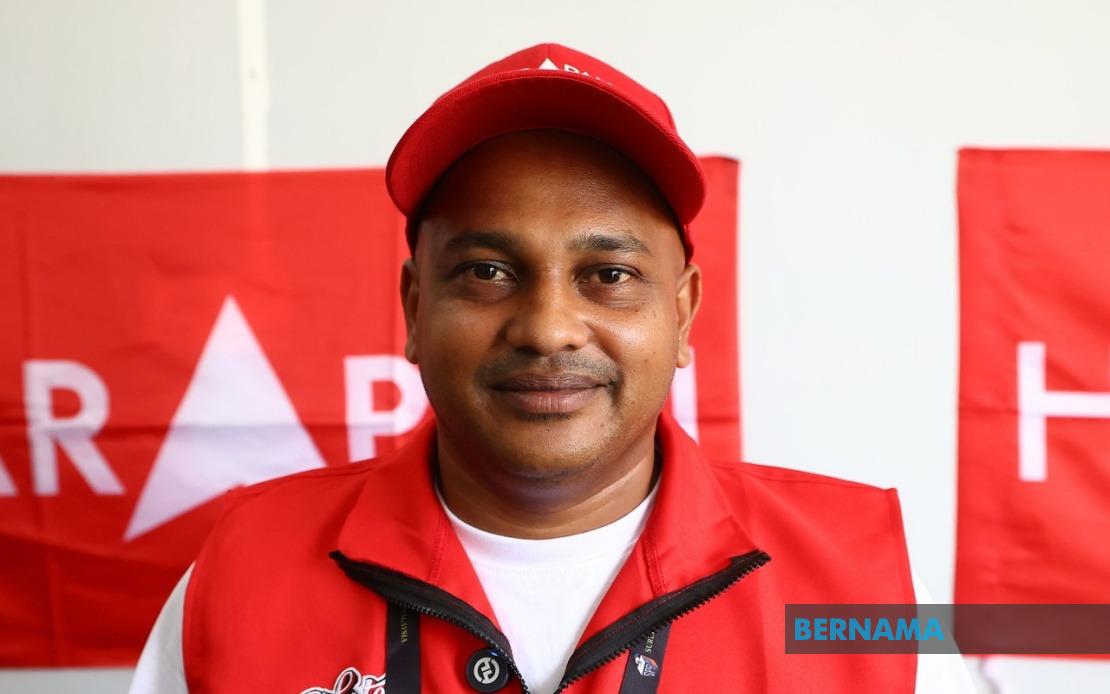
The Pakatan Harapan candidate for the Layang-Layang state seat has committed to delivering tangible improvements within his opening 100 days in office, should voters entrust him with the constituency in the forthcoming Johor state election. Guna Balakrishnan presented a focused agenda that reflects the practical concerns residents have raised throughout his campaign engagement across the district, moving beyond broad policy statements to identify specific deliverables with realistic timelines.
At the heart of his platform lie four interconnected initiatives aimed at addressing persistent community grievances. The first centres on the expansion and maintenance of street lighting infrastructure, with Guna setting an ambitious yet measured target to resolve between 50 and 60 per cent of outstanding complaints during his initial parliamentary term. This approach acknowledges the scale of the challenge whilst demonstrating confidence in swift implementation, a distinction likely to resonate with voters fatigued by unfulfilled promises from previous administrations.
The telecommunications agenda represents perhaps his most optimistic pledge. Guna indicated that enhanced internet and mobile coverage could be substantially resolved within 100 days, contingent upon activating existing infrastructure—specifically feeder cables already installed throughout the constituency. His assertion that only additional transmitters require placement in targeted areas suggests careful technical assessment rather than aspirational rhetoric. For rural and semi-rural areas within Layang-Layang, improved connectivity carries profound implications, enhancing educational opportunities for young people, facilitating digital commerce for small businesses, and reducing the digital divide that has widened during the pandemic era.
The wildlife encroachment issue reflects a distinctly Malaysian rural concern that often escapes urban-centric policy discourse. As agricultural expansion and habitat loss push wild animals into populated zones, residents across peninsular Malaysia have increasingly encountered elephants, wild boar, and other fauna destroying crops and posing safety risks. Guna's explicit commitment to addressing this matter signals attentiveness to the lived experience of farming communities, where such encounters represent genuine threats to livelihoods and family security rather than abstract conservation questions.
Equally significant is his pledge to combat the systematic theft of oil palm fruit, a phenomenon that undermines the viability of smallholder agriculture in Johor. This form of agricultural crime has grown sufficiently prevalent that it warrants dedicated attention from elected representatives, yet remains overlooked in many election manifestos. By elevating the issue based on grassroots feedback, Guna demonstrates responsive governance instincts that could distinguish his tenure if successful.
Beyond these immediate priorities, Guna's broader manifesto reveals a development philosophy balancing infrastructure renewal with human capital investment. The commitment to flood mitigation carries particular weight given the devastation that cyclical inundation inflicts on Johor's rural communities, repeatedly displacing families and destroying property. Road infrastructure upgrading would complement lighting improvements to enhance safety and economic connectivity, whilst digital access expansion extends beyond telecommunications to address broader technological inclusion.
The manifesto's emphasis on women's entrepreneurship and vocational training responds to demographic realities in constituencies like Layang-Layang, where youth outmigration remains a persistent challenge. By promoting Technical and Vocational Education and Training (TVET) pathways, Guna positions himself as someone recognising that not all young Malaysians pursue university education—an acknowledgment that mainstream political discourse frequently neglects. Support for women entrepreneurs similarly addresses a constituency with genuine untapped economic potential.
The proposed establishment of a senior citizen activity centre (PAWE) reflects an aging population across rural Malaysia, where younger family members increasingly migrate to cities for employment. Social isolation among elderly residents represents a genuine public health challenge, yet rarely features prominently in election campaigns. This inclusion suggests consultation with community organisations and demonstrated awareness of demographic trends affecting constituencies.
The Layang-Layang contest itself presents a complex electoral landscape with 25,181 registered voters distributed across a three-way fight. The presence of the incumbent Abd Mutalip Abd Rahim representing Perikatan Nasional, alongside Barisan Nasional's Chua Jian Boon, creates a fragmented opposition to Guna's Pakatan Harapan challenge. Such configurations favour candidates who can consolidate diverse constituencies around specific, achievable promises rather than broad ideological appeals. Guna's strategy of anchoring his campaign to identifiable, time-bound commitments appears calibrated to cut through the noise of a divided race.
The timing of early voting on July 7 and the main election on July 11 compresses the final campaign period, placing a premium on messaging clarity. Guna's decision to foreground implementation timelines and technical feasibility over expansive rhetoric suggests confidence that his core message will penetrate voter consciousness despite the condensed schedule. His emphasis on what can realistically be accomplished within 100 days, rather than grand visions requiring years to materialise, provides a refreshing counterpoint to conventional election campaign bombast.
For Malaysia's broader political landscape, the Layang-Layang race exemplifies how regional elections increasingly serve as laboratories for testing responsive, community-driven governance models. Should Guna's approach succeed in articulating constituent concerns more effectively than competitors, it may presage a subtle shift in how Malaysian politicians calibrate their relationship with voters—moving from grand developmental schemes imposed from above toward collaborative problem-solving rooted in genuine community consultation and realistic delivery frameworks.

