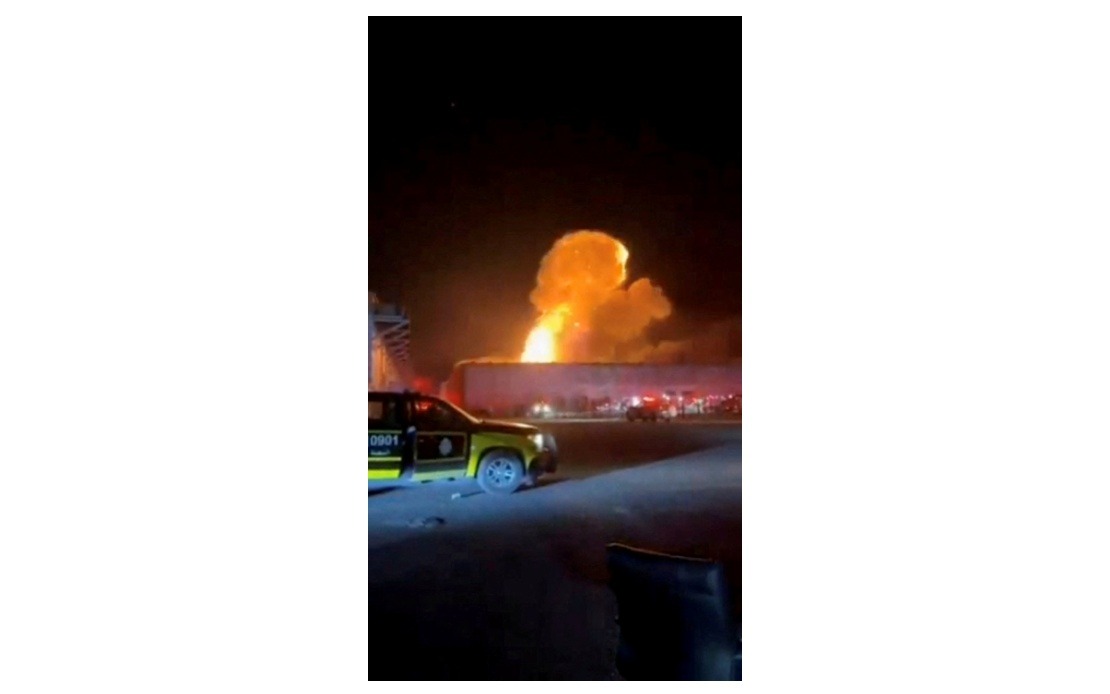
The Persian Gulf faced a critical security emergency on Friday as three major Gulf states simultaneously activated civilian protection measures following Iranian military strikes. Bahrain, Qatar, and Kuwait each issued urgent warnings to their populations, reflecting the gravity of aerial attacks that have thrust the strategically vital region back into active conflict. The coordinated emergency response underscores how deeply the recent deterioration in US-Iran relations has penetrated daily life across the Gulf's most populous commercial and financial centres.
Bahrain's Interior Ministry was among the first to respond, activating warning sirens across the island nation and instructing residents to proceed immediately to the nearest designated safe location. The decision to activate civil defence systems signals official assessment that the threat posed by incoming aerial ordnance was imminent rather than speculative. For a country that hosts the headquarters of the United States Fifth Fleet, such measures carry particular symbolic weight, demonstrating how central the American military presence has become to Bahraini security calculations.
In neighbouring Qatar, authorities took a slightly different approach, urging the public to shelter in place indoors rather than move to formal safe zones. The Interior Ministry's classification of the security threat level as elevated reflected genuine concern that hostile fire could reach populated areas. Qatar's response proved notably swift, suggesting that advance warning systems had provided sufficient notice for coordinated action across government agencies. The country's emphasis on residential sheltering reflects the urban concentration of its population and the challenges of mass evacuation in a densely built environment.
Kuwait's activation of air defence systems represented the most direct military response among the three nations. The country's armed forces confirmed that hostile missile and drone attacks were underway and that defensive measures had been deployed to intercept incoming threats. Kuwait's geographical position at the head of the Persian Gulf, combined with its significant oil and gas infrastructure, made it a logical target for any adversary seeking to disrupt regional energy supplies or demonstrate military reach.
The Iranian military provided the crucial context for this regional upheaval, announcing that it had conducted drone strikes targeting American military installations in Bahrain. This disclosure confirmed that the weekend's alert activations represented not theoretical preparation but response to actual hostile action. The strikes demonstrated Tehran's ability to project power across the Gulf and strike facilities that Washington considers vital to its regional strategy. For Malaysia and other Southeast Asian nations dependent on Gulf energy exports and secure shipping through the Strait of Hormuz, such developments carry direct economic implications.
The current crisis represents an escalation of a conflict that has been building since late February, when the United States and Israel launched a coordinated military offensive against Iranian targets. Tehran responded with substantial barrages of missiles and drones directed at Gulf locations hosting American forces, creating a pattern of attack and counter-attack that has continued intermittently over subsequent months. Each cycle has involved both sides claiming success while intensifying defensive measures and military posturing.
Efforts to contain this dangerous spiral have produced limited results. Last month, Pakistan helped broker a framework agreement between Washington and Tehran aimed at de-escalation and eventual peace negotiations. The accord initially raised hopes that the cycle of violence might be interrupted through diplomatic channels. However, the agreement has failed to arrest underlying tensions, particularly surrounding control and freedom of navigation through the Strait of Hormuz, one of the world's most critical maritime chokepoints. Approximately one-third of all seaborne traded oil passes through these narrow waters, making regional stability essential to global energy security.
The recent intensification of hostilities around the Strait of Hormuz suggests that while both the United States and Iran may desire eventual negotiation, neither side is willing to appear weak or cede strategic advantage during the negotiation process. The exchange of attacks demonstrates mutual technological capability and commitment to maintaining military pressure despite diplomatic engagement. This pattern creates substantial risk of miscalculation, whereby either side might escalate beyond what the other considers acceptable, triggering uncontrolled escalation.
For Malaysia and the broader Southeast Asian region, these developments pose multiple challenges. Beyond immediate energy security concerns, the instability threatens the safe passage of Malaysian shipping through the Strait of Hormuz and raises insurance and transit costs for regional commerce. Malaysian businesses operating in the Gulf face heightened security uncertainties, and potential disruption to oil supplies could impact regional economic growth. Additionally, the precedent of Iran successfully launching strikes deep into the Gulf raises questions about how effectively conventional deterrence can protect the region's vital infrastructure.
The simultaneous activation of emergency systems across three different nations suggests a level of coordination and shared concern that transcends normal diplomatic differences. Bahrain and Qatar, despite their historical tensions, recognized common interest in managing an immediate military threat. Such circumstances often reveal the underlying strategic reality that external security challenges can temporarily subordinate internal rivalries. However, whether this shared vulnerability translates into sustained cooperation remains uncertain.
The broader implications extend beyond the immediate military situation. Continued escalation risks disrupting shipping insurance markets, encouraging capital flight from Gulf financial centres, and creating political pressure within affected nations for either greater military response or more aggressive diplomatic intervention. The current framework agreement, despite its limitations, remains the only structured mechanism for de-escalation, making its preservation and strengthening essential even as both sides pursue tactical military advantages.
As the situation continues to develop, the international community faces pressure to encourage restraint while acknowledging the legitimate security concerns of all parties. For Malaysia and Southeast Asia, close monitoring of developments proves essential, given the region's critical dependence on stable Gulf conditions and free maritime passage. The next hours and days will determine whether this incident represents a temporary spike in an ongoing cycle of tensions or marks the beginning of a more dangerous phase of conflict.

