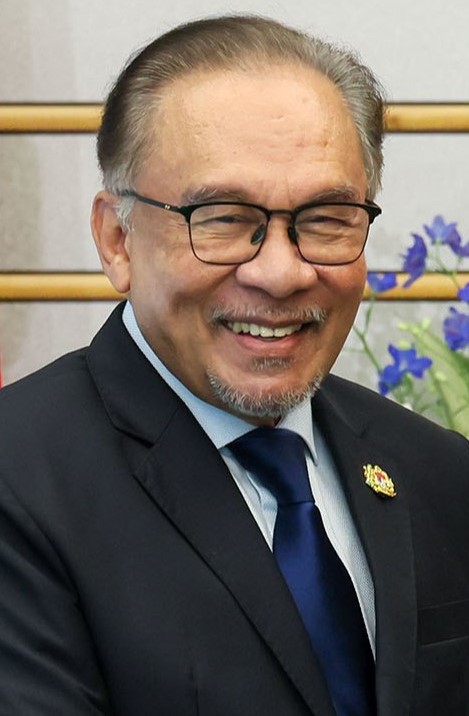
The high-profile corruption case involving DAP political veteran Lim Guan Eng reaches a pivotal moment tomorrow as the court determines whether the former Penang chief minister, his spouse Betty Chew, and businesswoman Phang Li Koon will proceed to full trial or secure acquittal. The three accused face allegations centred on a RM11.6 million development project designed to house migrant workers, a case that has drawn considerable attention given Lim's prominence in Malaysian politics and his party's positioning as an anti-corruption advocate.
The implications of tomorrow's ruling extend beyond the individuals involved, carrying broader ramifications for Malaysia's ongoing anti-corruption enforcement and the credibility of institutions managing high-profile prosecutions. The case represents one of several legal challenges confronting senior DAP figures in recent years, contributing to a complex political narrative in which the party continues to grapple with governance accountability questions. How the court handles the evidence and legal arguments presented will signal the trajectory of corruption investigations into political leadership across the spectrum.
The foreign workers' hostel project at the centre of the allegations originated during Lim's tenure as Penang chief minister, a position he held from 2008 to 2018 before serving as finance minister in the Pakatan Harapan federal government. Allegations surfaced regarding potential mishandling of development procurement processes and possible conflicts of interest related to the RM11.6 million allocation. The Malaysian Anti-Corruption Commission (MACC) initiated investigations that ultimately led to charges being filed against the trio, with authorities asserting that improper procedures or undisclosed interests compromised the project's integrity.
Betty Chew's inclusion in the case relates to her financial and business connections, while Phang Li Koon's involvement stems from her purported role in the project's commercial arrangements. The interconnected nature of their alleged involvement has necessitated joint proceedings, though the legal burden of proof remains distinct for each accused. The complexity of establishing corruption charges—which require demonstrating intent, actual impropriety, and sufficient evidence of wrongdoing—means the court's assessment of witness testimony, documentary evidence, and expert submissions will prove decisive.
From a Southeast Asian perspective, Malaysia's handling of corruption cases involving senior political figures carries significance for the region's governance standards. How aggressively and fairly the country prosecutes such matters influences investor confidence, international perceptions of institutional independence, and the broader struggle against graft across developing economies. The case also reflects ongoing tensions between political accountability and due process protections, a balance that Malaysian courts must maintain despite intense public and political scrutiny.
Lim Guan Eng's legal defence has consistently maintained his innocence, characterising the charges as politically motivated persecution rather than genuine corruption prosecution. His legal team has questioned the MACC's investigative methodology and the sufficiency of evidence presented, arguing that established procedures were followed and no improper conduct occurred. This defence narrative has resonated with DAP supporters and opposition constituencies who view the case through a lens of political opposition by the previous administration that launched the investigation.
The potential outcomes tomorrow present fundamentally different trajectories. An acquittal would vindicate Lim's position and potentially undermine the MACC's investigative credibility, though prosecutors could pursue appeals. Ordering the case to trial would sustain the legal process, requiring months or potentially years of courtroom proceedings, further depositions, cross-examinations, and appellate possibilities. Either outcome will inevitably become fodder for political commentary, with opposing camps interpreting the verdict through their respective partisan frameworks.
For Malaysian civil society and anti-corruption observers, the case exemplifies broader institutional challenges facing the country's anti-graft architecture. The MACC's autonomy, investigative capacity, and susceptibility to political pressure have long sparked debate. Cases like this one create opportunities for both supporters and critics to advance their assessments of whether the institution operates as an impartial guardian of public integrity or as a tool subject to political manipulation.
The timing of tomorrow's ruling also carries political significance given Malaysia's evolving coalition dynamics and the gradual normalisation of political relationships following the pandemic and recent electoral cycles. A verdict either way will reverberate through factional calculations within DAP and the broader Pakatan Harapan alliance, potentially affecting leadership dynamics and internal confidence levels at critical junctures in the political calendar.
Regionally, observers in Singapore, Thailand, Indonesia, and other Southeast Asian democracies frequently reference Malaysian corruption cases as benchmarks for assessing institutional health. The Lim Guan Eng case thus represents more than a domestic legal proceeding—it functions as a regional indicator of how Malaysian institutions handle accountability for political leadership, transparency in development projects, and the intersection of law and politics in contemporary Southeast Asia.
As the court prepares to deliver its determination tomorrow, all three accused and their respective legal teams have completed their submissions and await the judge's assessment. The case has already consumed considerable judicial resources, media attention, and political capital, with tomorrow's decision unlikely to conclude the matter definitively regardless of direction. Whatever emerges will shape conversations about governance, accountability, and institutional integrity in Malaysia for months to come.