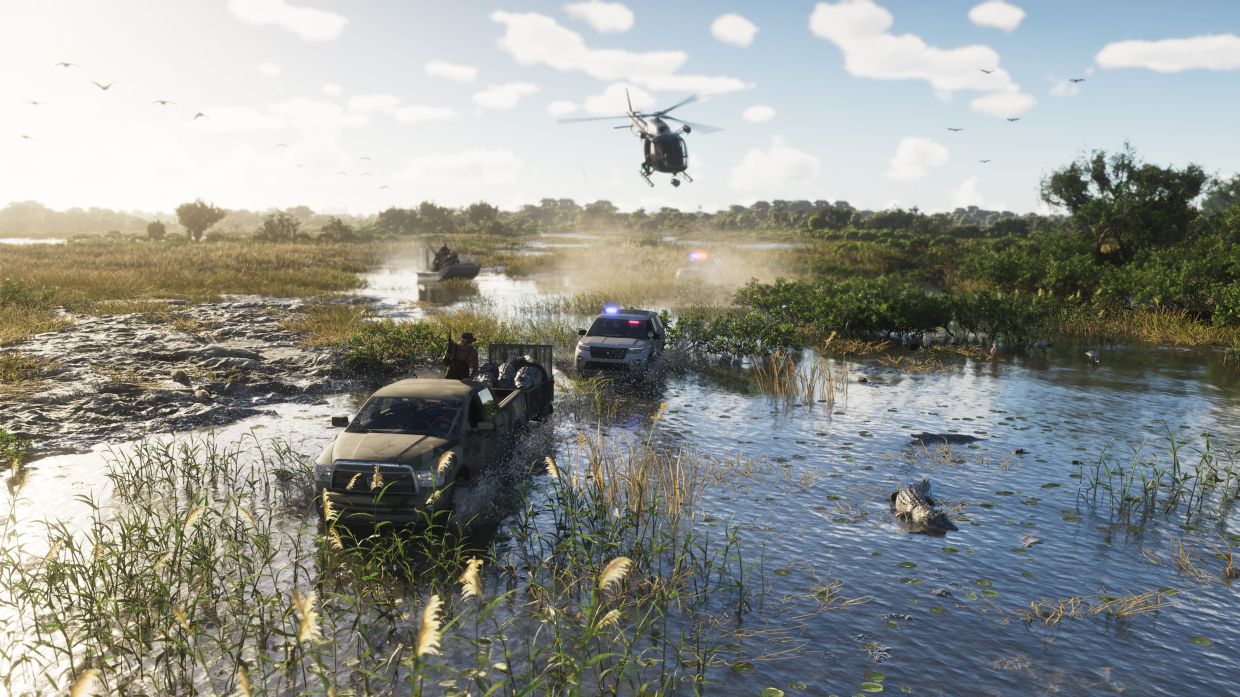
The latest instalment of the world's most commercially successful gaming franchise arrived on Netflix as an official preview on August 27, marking a controlled debut for Grand Theft Auto VI following a security crisis that began nearly two months earlier. The cinematic trailer introduces players to the game's dual protagonists, Jason and Lucia, who together form the narrative heart of what Rockstar Games describes as a Bonnie and Clyde partnership—a deliberate reference to the notorious American outlaws of the early twentieth century whose criminal spree culminated in a violent police ambush. The preview demonstrates the game's signature blend of action, with sequences depicting high-speed vehicle pursuits, armed confrontations, and the seedier attractions of an open urban environment, all hallmarks that have defined the franchise's controversial appeal since its 1997 debut.
The breach that preceded this official release proved far more damaging to Rockstar's carefully orchestrated marketing strategy than any traditional competitor. Beginning in mid-August, unauthorized gameplay footage appeared online through an account operating under the pseudonym Cyberleek, whose operators claimed their motivation was exposing dubious industry practices rather than simple theft or profit. Rockstar's response emphasized the emotional toll of the leak, with the studio describing the situation as "heartbreaking" and acknowledging that "this is obviously not how we intended for you to see the game after all this time." This raw, candid admission reflected the studio's frustration at losing control of their product's reveal during a carefully planned marketing cycle that was supposed to build anticipation methodically across multiple channels.
The scale of Rockstar's legal response underscores just how seriously the company treated the breach. By August 21, the developer had secured court orders from two separate federal judges in New York, forcing technology giants Microsoft and Discord to surrender data that investigators hoped would identify the source of the leak. The subpoenas represented an aggressive multi-pronged approach to protecting intellectual property in an era when gaming code and assets are particularly vulnerable to theft. This tactic, while standard in corporate security breaches, highlights the immense financial stakes involved; Grand Theft Auto represents one of the entertainment industry's most valuable franchises, with previous instalments generating billions in revenue across console, mobile and PC platforms.
The Netflix preview itself reached audiences who may have been exposed to the leaked material, offering them an officially sanctioned and professionally curated introduction to the game. The platform's distribution power, combined with streaming's global reach, provided Rockstar with an opportunity to control the narrative and present the game's themes, mechanics and storytelling through their intended lens. However, service disruptions reported by Netflix users worldwide during the launch window suggested that interest in the preview exceeded infrastructure capacity, a technical hiccup that nonetheless reflected genuine commercial demand for the franchise's return.
Rockstar's partnership with Netflix for promotional content builds upon prior collaborations between the studio and the streaming platform for previous Grand Theft Auto releases. This alliance represents a broader industry trend where major publishers leverage subscription services to reach audiences beyond traditional gaming platforms. The strategy acknowledges that casual viewers and potential players increasingly discover and engage with entertainment through streaming services rather than dedicated gaming retailers or advertising campaigns. For Malaysian audiences in particular, where internet penetration and streaming adoption have surged, Netflix serves as an accessible gateway to gaming culture.
The controversy surrounding Grand Theft Auto VI's commercial approach has generated additional friction between Rockstar and segments of its fanbase. Take-Two Interactive, the parent company that owns Rockstar Games, decided against releasing physical copies of the game, a decision that alienated players who prefer tangible media or harbour concerns about digital rights management. Furthermore, the studio has introduced tiered pricing, offering a premium edition with expanded content at a significantly higher price point than the standard version. These decisions reflect modern games publishing economics but risk alienating players in emerging markets where digital access remains challenging and price sensitivity is greater.
The US military's unusual promotional partnership with Rockstar generated headlines for its audacity and unconventional approach to military recruitment. One Army unit offered serving soldiers four additional days of leave in exchange for reenlisting with extended service commitments, explicitly positioning Grand Theft Auto VI as an incentive. Military news outlet Task & Purpose reported the initiative, noting that of the 130 soldiers eligible for the offer, approximately twenty had accepted. This recruitment strategy demonstrates how deeply gaming has embedded itself within popular culture and military life, while simultaneously raising questions about whether incentivizing military commitment through consumer products represents sound policy or effective messaging.
For Southeast Asian markets, the Grand Theft Auto franchise occupies a complex cultural position. The series remains phenomenally popular across the region, yet continues to generate controversy with regulators and moral advocacy groups concerned about its violent content and criminal themes. Malaysia, in particular, has maintained scrutiny over the franchise through the Malaysian Film Censorship Board and related bodies, though enforcement has been inconsistent. The Netflix preview's broad distribution through mainstream platforms rather than gaming-specific channels potentially exposes the game to wider regulatory scrutiny, particularly given the visual nature of streaming content and the platform's accessibility to younger audiences.
The leaker's stated motivation—exposing industry business practices—touches upon legitimate discussions within gaming communities about sustainability, worker conditions, and corporate pricing models. Rockstar is renowned throughout the industry for intensive crunch periods during development, with employees regularly working extended hours leading up to major releases. The leaked footage inadvertently served as a catalyst for conversations about these behind-the-scenes realities, even as the company pursued legal remedies. This dynamic illustrates how information security breaches can intersect with broader labour and ethical concerns that extend beyond the immediate question of intellectual property theft.
Looking forward, Grand Theft Auto VI represents both continuity and transformation within the franchise. The dual protagonist structure and female character prominence in the narrative mark departures from earlier instalments, while the setting and narrative promise to engage with contemporary urban culture. The game's development occurred during a period of global reckoning around media representation, corporate accountability, and digital rights, all factors that will inevitably shape how the game is received and interpreted. For Malaysian and Southeast Asian consumers, the game's arrival carries commercial, cultural, and regulatory implications that extend well beyond entertainment, touching on broader questions about technology access, content regulation, and the role of global entertainment properties within local contexts.

