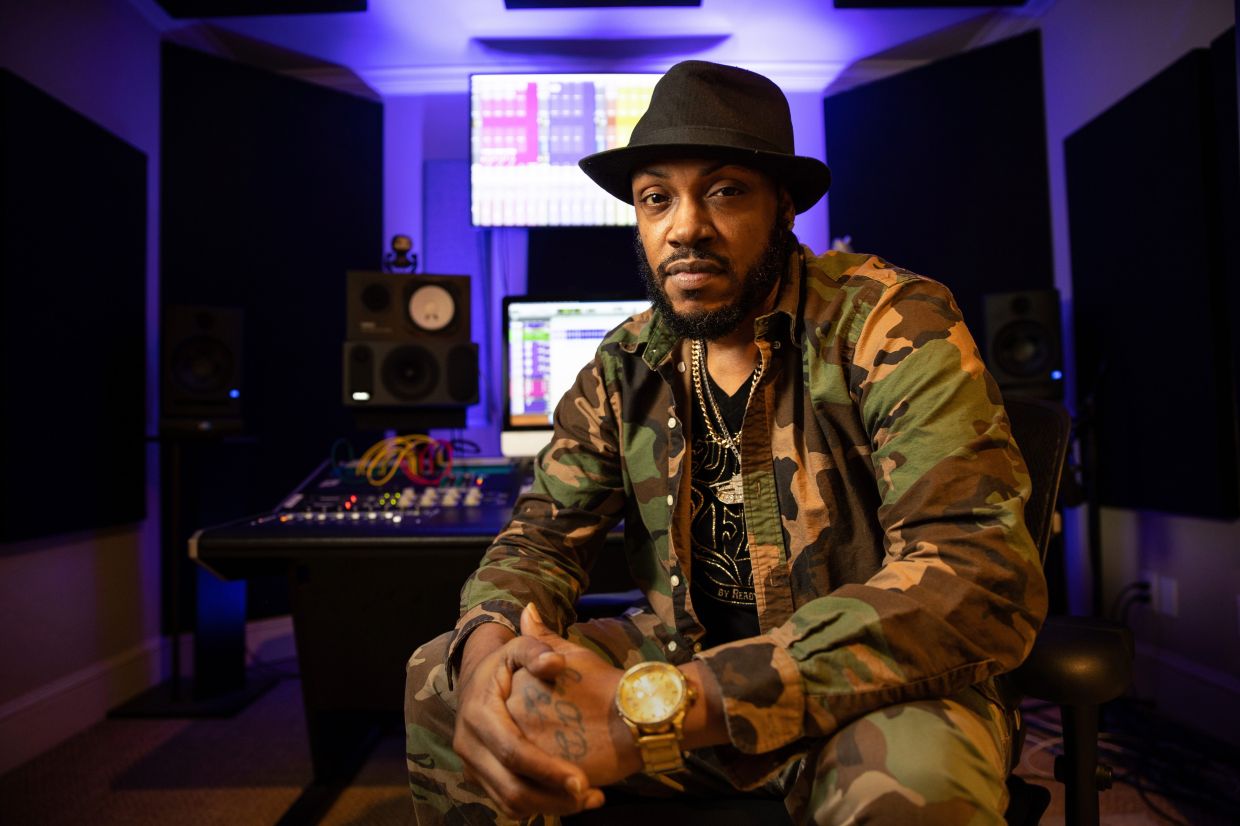
Michael Lawrence Tyler, known professionally as Mystikal, was handed a 20-year prison sentence on Tuesday for the rape of a woman at his residence in Prairieville, Louisiana in 2022. The rap artist, who achieved significant commercial success and critical acclaim during the early 2000s with multiple Grammy nominations to his name, will serve the custodial term following his guilty plea to the third-degree rape charge, which represents a reduction from the original first-degree rape accusation.
The Louisiana-based performer's legal journey took an unexpected turn just days before his sentencing hearing when he petitioned the court to withdraw his guilty plea. In his request, Mystikal contended that he had been denied adequate opportunity to fully grasp the ramifications of his admission, according to reporting from ABC affiliate WBRZ. This eleventh-hour manoeuvre proved unsuccessful, however, and the court proceeded with sentencing based on his prior guilty plea entered in March.
The plea agreement itself represented a significant negotiation between the defence and prosecution. Under the terms of the arrangement, the original charge of first-degree rape—which would have resulted in an automatic life sentence—was downgraded to third-degree rape, with sentencing capped at 20 years. This reduction in the severity of charges and corresponding maximum penalty suggests substantial discussions took place regarding the evidence and circumstances of the alleged incident, though the specifics of what prompted such negotiations remain unclear from public filings.
During the sentencing proceedings, the victim delivered an impact statement to the court, providing her account of the alleged assault and imploring the judge to impose the maximum possible punishment. She detailed a disturbing sequence of events at Mystikal's home, describing how the rapper allegedly struck her, placed his hands around her neck in a choking motion, forcibly removed braids from her hair, and subjected her to sexual assault. Her testimony provided the court with direct witness perspective on the harm she sustained and the severity of the alleged violation.
In a moment of apparent acceptance, Mystikal responded to the victim's statement during the hearing, acknowledging the gravity of the allegations against him. According to WBRZ's coverage, the rapper stated that if he had perpetrated such acts against another person, he would indeed merit the maximum sentence available under law. This public acknowledgement, whether calculated or genuine, marked a departure from his initial attempt to withdraw his guilty plea just days prior and suggested a shift in his courtroom demeanour as proceedings reached their conclusion.
Mystikal has been incarcerated without bond at the Ascension Parish Jail since his initial arrest in 2022, meaning he has spent the entirety of his legal proceedings in custody. This detention status prevented him from returning to the entertainment industry or maintaining his professional presence during the extended period between arrest and sentencing, effectively removing him from public life for approximately two years.
The case carries significant historical weight in Mystikal's biography, as it represents his second conviction for a sexual offence. In 2003, two decades prior to the current sentencing, the rapper pleaded guilty to sexual battery and received a six-year prison sentence for that conviction. Remarkably, that same year marked his nomination in two Grammy Award categories, demonstrating how his professional achievements and legal troubles ran parallel during his career trajectory.
Mystikal's rise to prominence occurred during the 1990s, when he emerged as a distinctive voice in hip-hop and rap music, eventually achieving breakthrough commercial success in the early 2000s. His career represented the trajectory of many artists who achieved significant industry recognition and accolades during that era, only to see their fortunes dramatically altered by legal circumstances in subsequent decades.
For Malaysian and Southeast Asian entertainment audiences, the case illustrates broader conversations about accountability in the music industry, the treatment of sexual assault allegations, and the consequences that even prominent cultural figures face when allegations are substantiated. While the entertainment industry frequently grapples with questions of redemption and rehabilitation for artists involved in legal matters, particularly in the streaming era where back catalogues remain accessible indefinitely, the judicial process operates according to separate standards and has imposed a definitive consequence in Mystikal's case.