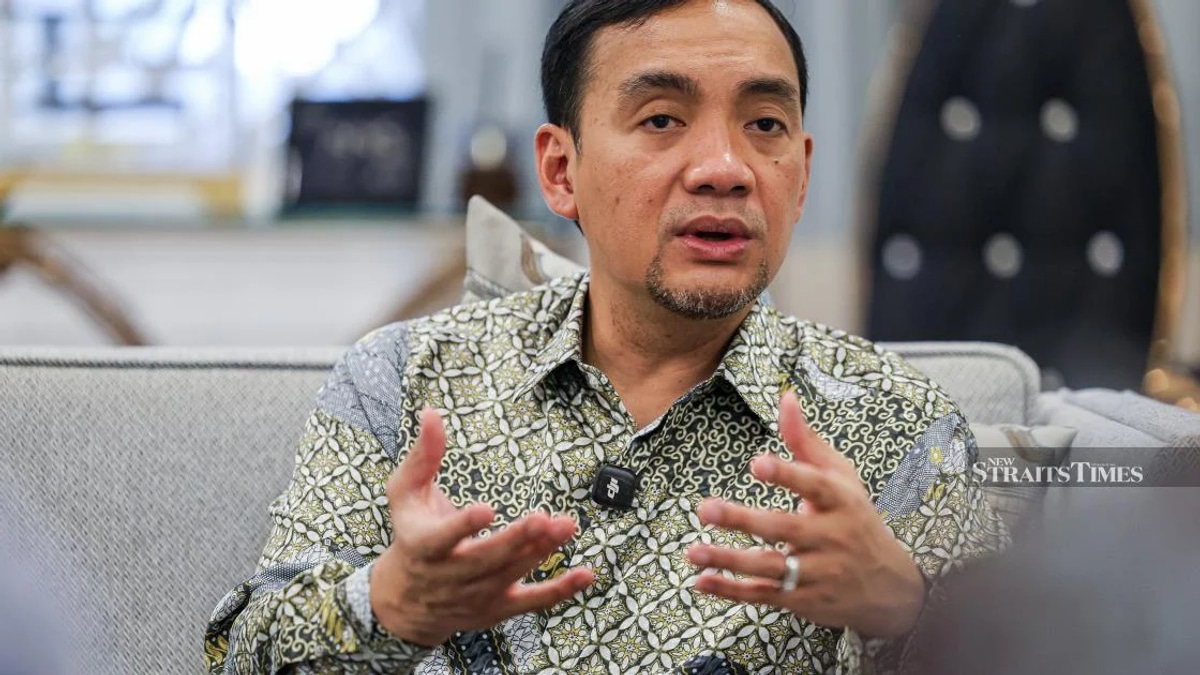
The secretary-general of the Gabungan Parti Sarawak (GPS) has chosen to keep his political intentions under wraps, neither confirming nor denying whether he plans to contest his Kapit parliamentary seat in the next election cycle or pivot towards state-level politics instead. Despite the ambiguity surrounding his next move, the senior party official has made one thing plain: his commitment to public service and party affairs will not wane. The careful deflection marks a calculated approach common among seasoned Malaysian politicians who prefer to maintain strategic flexibility whilst managing party expectations and constituent interests.
Kapit, located in the Rajang division of Sarawak's interior, remains a significant parliamentary constituency with deep historical roots in GPS's organisational structure. The seat carries symbolic weight within the party hierarchy, and any decision to vacate it could signal broader shifts in the party's internal politics or a changing of the generational guard. By refusing to clarify his intentions now, the GPS secretary-general preserves his options whilst avoiding premature public commitments that might constrain future flexibility or invite unwanted scrutiny from rival factions.
State politics in Sarawak represents an alternative arena where experienced national figures sometimes consolidate power or establish alternative political bases. The State Assembly offers different platforms and constituencies, with its own power dynamics and influence networks distinct from federal Parliament. For senior party figures, the choice between defending a federal seat and pursuing state representation often reflects calculations about where greater leverage and long-term political security can be established.
The GPS itself operates within a unique Malaysian context as a Sarawak-based coalition rather than a peninsula-wide party structure. This geographic specificity gives its leaders particular influence within Sarawak politics whilst potentially limiting their national parliamentary trajectory. Senior GPS figures must constantly balance aspirations for federal prominence against the reality that Sarawak politics—where the party dominates—offers more immediate and secure power bases.
Nanta's insistence on remaining active, despite dodging specifics about electoral intentions, suggests he seeks to maintain his influence regardless of which political arena he ultimately chooses. This reassurance to party members and supporters attempts to mitigate concerns that he might be preparing for a gradual withdrawal from public life. In Malaysian political culture, such public commitments to continuing participation carry weight, signalling to grassroots activists and party machinery that they should not view his silence on specific electoral plans as a harbinger of retirement.
The timing of this non-announcement carries its own significance. With Malaysian electoral cycles unpredictable and boundary delimitations occasionally reshaping parliamentary constituencies, politicians often prefer to make definitive statements closer to actual nomination dates. Nanta's stance maintains this conventional ambiguity whilst allowing the party to explore various succession scenarios for the Kapit seat without his public involvement in speculation.
Within GPS's internal hierarchy, the secretary-general position occupies a crucial administrative role, distinct from parliamentary representation but equally important for party functioning. A transition from the seat might actually leave him better positioned to focus on organisational duties, particularly if GPS faces challenges requiring intensive coordination across its various component parties and electoral operations. Conversely, maintaining a parliamentary position reinforces his credentials as an elected representative with direct constituency accountability.
For Malaysian observers monitoring Sarawak politics, Nanta's studied evasiveness reflects the complexity of contemporary state political calculations. Sarawak's particular constitutional arrangement, its oil wealth, and its distinct political traditions create decision-making frameworks that federal politicians from peninsular Malaysia rarely encounter. His circumspection may thus indicate not merely personal political caution but awareness of distinct Sarawak considerations that outsiders cannot fully appreciate.
The broader implications extend to GPS's leadership bench and succession planning. A senior figure's decision to remain in federal politics versus transitioning to state focus inevitably influences how the party structures its talent pipeline and develops rising stars. Nanta's ambiguity on this question thus has ripple effects throughout party organisation, affecting everything from candidate selection processes to internal factional alignments.
Regional observers of Malaysian politics should note that this kind of strategic silence from experienced political operatives is entirely routine in the Malaysian system. Rather than indicating indecision or weakness, such studied ambiguity often reflects sophisticated political positioning where maintaining optionality itself constitutes a form of power. By keeping multiple pathways open, Nanta ensures that party leadership and constituents must engage with him on his terms rather than predetermined assumptions about his future direction.
The GPS secretary-general's approach ultimately underscores how Malaysian politics operates at levels of nuance and implication often missed by straightforward public statements. His commitment to continued activism, paired with refusal to specify the venue or electoral contest for that activism, preserves maximum flexibility whilst offering sufficient reassurance to stakeholders that significant withdrawal from public life is not imminent.