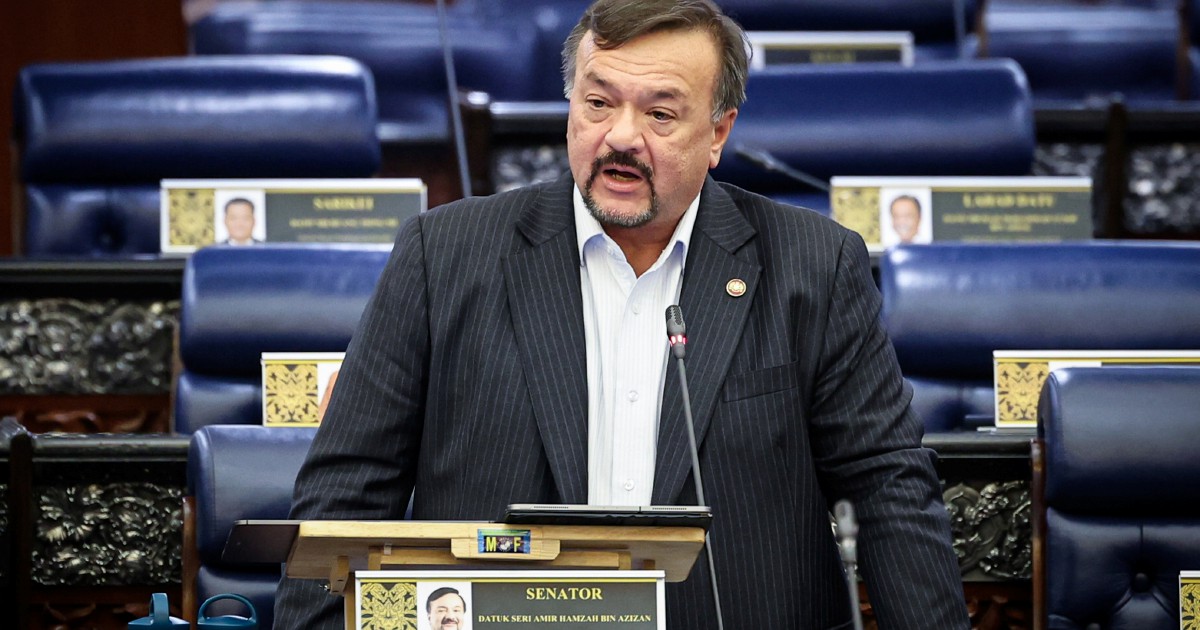
The Malaysian government is contemplating the formation of a coordinated task force bringing together multiple agencies to investigate alleged misconduct at Tabung Haji, Finance Minister II Datuk Seri Amir Hamzah Azizan revealed. The move signals a recognition within the government that allegations involving the pilgrimage fund require a consolidated investigative effort rather than fragmented agency responses.
Tabung Haji, the state-backed institution that manages savings for Malaysian Muslims intending to perform the Hajj pilgrimage, has faced mounting scrutiny in recent years over operational transparency and management practices. The pillar fund serves as a crucial financial vehicle for hundreds of thousands of Malaysians, making the integrity of its operations a matter of significant public concern. A coordinated investigative framework would consolidate expertise from various oversight bodies to examine these allegations comprehensively.
The consideration of a multi-agency approach underscores the complexity surrounding the fund's governance structure and the need for specialists from different regulatory domains. Such a task force would likely draw personnel from law enforcement agencies, financial regulators, and anti-corruption bodies, each contributing distinct investigative capabilities. This institutional arrangement allows investigators to pursue leads across multiple sectors simultaneously rather than working in isolation, reducing opportunities for critical connections to be missed.
For Malaysian investors and contributors to Tabung Haji, the announcement carries significant implications. The fund's credibility rests substantially on the perceived independence and thoroughness of any investigation into its affairs. A consolidated task force demonstrates government commitment to addressing concerns systematically, though questions remain about the timeline and scope of the probe. Many stakeholders have awaited clarity on the specific allegations and the mechanisms through which findings will be communicated to the public.
The financial sector in Southeast Asia has increasingly come under international scrutiny regarding governance standards, particularly for state-linked entities managing public resources. Malaysia's approach to investigating Tabung Haji will likely influence perceptions of regulatory competence in the region. Institutional investors, both domestic and regional, monitor how authorities handle such investigations as indicators of broader governance reliability and commitment to accountability frameworks.
Establishing effective inter-agency coordination presents practical and procedural challenges. Different agencies operate under distinct legal frameworks, reporting structures, and operational protocols. Successfully implementing a unified task force requires establishing clear hierarchies of authority, defining jurisdictional boundaries, and creating protocols for information sharing. These logistical considerations often determine whether investigations maintain momentum or become entangled in bureaucratic complexity.
The timeline for such a task force's establishment remains undefined. Government initiatives in Malaysia frequently require consultation across relevant ministries and agencies, a process that can extend over considerable periods. Stakeholders contributing to Tabung Haji will scrutinize the pace at which the proposed body moves toward formal establishment and active investigation. Delays in implementation could further erode confidence in institutional responses to the allegations.
International precedent suggests that multi-agency investigations of state-controlled financial institutions require sustained political commitment. Initial announcements frequently generate public expectations that subsequent implementation struggles to meet. The government must ensure that the proposed task force receives adequate resources, including specialized personnel with relevant expertise and sufficient operational budgets to conduct thorough examinations without artificial time constraints that could compromise investigation quality.
For the broader Malaysian investment landscape, the handling of Tabung Haji's situation carries implications extending beyond the fund itself. Retail investors scrutinize how authorities manage allegations at prominent financial institutions as indicators of systemic safeguards. A transparent and comprehensive investigation could reinforce confidence in regulatory frameworks, while perceived inadequacy might encourage institutional skepticism among potential investors.
The announcement also reflects shifting government positioning on financial institution accountability following international pressure and domestic criticism. Malaysian authorities have faced pressure from civil society organizations and opposition figures demanding greater transparency in state-controlled entities. Proposing a coordinated investigative framework constitutes a public acknowledgment that unified responses represent a more appropriate approach than the previously fragmented monitoring that allegedly permitted concerns to accumulate.
Moving forward, the government's capacity to translate this consideration into substantive action will determine the investigation's credibility. Regulatory observers across Malaysia and the region will monitor whether the task force achieves independent status or operates under constraints limiting investigative reach. The announcement represents a starting point, but actual outcomes will emerge only as institutional arrangements solidify and investigative work commences.

