The federal government has committed to enhancing its approach to targeted fuel subsidies across Sabah and Sarawak, drawing on input gathered directly from communities affected by the initiative. Minister in the Prime Minister's Department (Sabah and Sarawak) Datuk Mustapha Sakmud outlined this refinement strategy in Kota Kinabalu, acknowledging that implementation challenges identified at the grassroots level will inform adjustments to the programme going forward.
The BUDI Diesel initiative, which commenced nationwide on July 1, represents a significant shift in Malaysia's approach to fuel assistance. Rather than providing blanket subsidies to all diesel consumers, the scheme targets eligible private vehicle owners with a monthly allocation of 200 litres at the subsidised rate of RM2.10 per litre. Proprietors of qualifying sports utility vehicles and pickup trucks can petition for an additional 100-litre monthly entitlement if they satisfy specified conditions, creating a tiered system intended to balance fiscal responsibility with public welfare concerns.
The introduction of such targeted mechanisms inevitably generates operational complexities, particularly in the context of Sabah and Sarawak's distinctive geographic and demographic characteristics. Rural connectivity challenges, vehicle ownership patterns that differ from peninsular Malaysia, and the logistical demands of fuel distribution across vast territories have created friction points during the scheme's early implementation phase. Mustapha acknowledged these realities by emphasising that collaborative discussions between stakeholders, state governments, and federal agencies would persist to ensure the initiative proceeds without undue disruption to citizens' living standards, especially for those residing in remote localities.
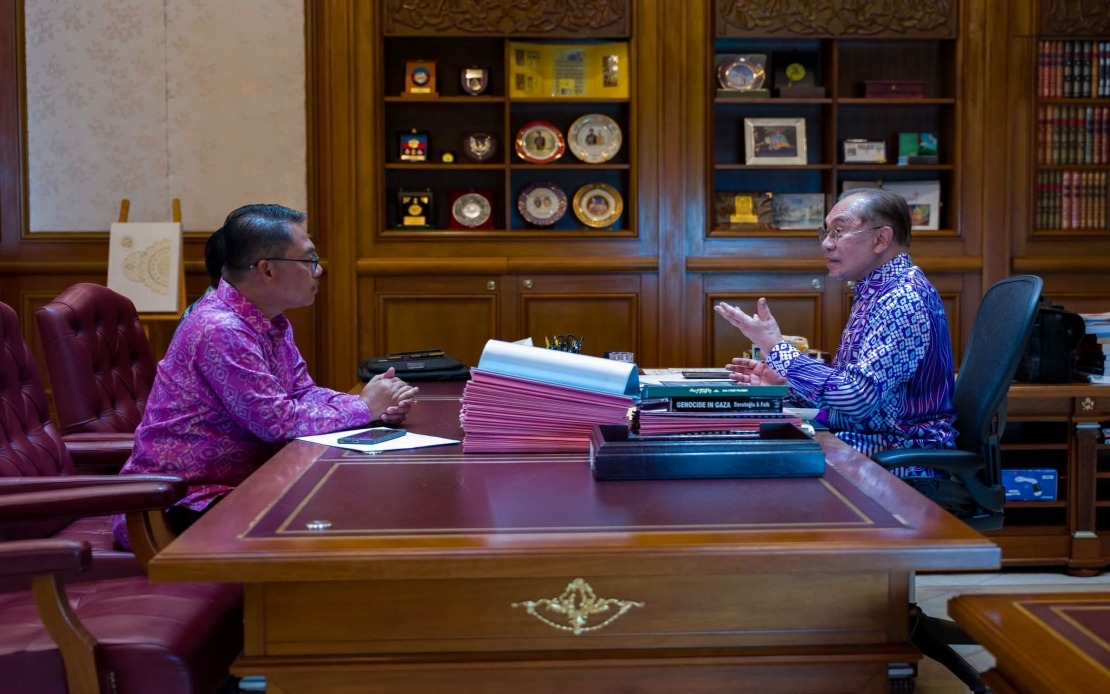
Prime Minister Datuk Seri Anwar Ibrahim's direct engagement with public concerns about the BUDI Diesel rollout signals executive-level attention to potential friction between policy design and real-world execution. Despite substantial administrative commitments, the Prime Minister devoted time to hearing firsthand accounts from ordinary Sabahans regarding the specific difficulties they encountered as the programme took effect. This hands-on consultation approach reflects a governing philosophy that recognises the gap between policy conception and implementation often requires ground-level intelligence to close.
The emphasis on incorporating grassroots perspectives represents more than mere public relations strategy; it acknowledges a fundamental challenge inherent to subsidy targeting. While means-tested or consumption-based subsidies offer superior fiscal efficiency compared to universal schemes, they necessarily create administrative burdens and potential inequities for those struggling to navigate application processes or unsure whether they qualify. Rural Sabahans and Sarawakians, who may have limited access to digital registration platforms or information about programme mechanics, require specific accommodations to prevent unintended exclusion.
For Malaysia's broader subsidy reform agenda, the government's willingness to adjust the BUDI Diesel model demonstrates flexibility within a strategic commitment to fiscal consolidation. Successive administrations have grappled with the fiscal drag created by universal fuel subsidies, which historically consumed substantial portions of the annual budget while providing the greatest benefit to higher-income vehicle owners rather than vulnerable populations. The transition to targeted assistance aims to redirect limited resources more efficiently, yet this restructuring necessarily generates transition costs and implementation challenges that demand iterative refinement.
The geographic specificity of Sabah and Sarawak's involvement in this consultation process carries particular significance. These two states, which possess constitutionally distinct resource ownership arrangements and historical experiences divergent from peninsular Malaysia, have justified reasons to expect policy frameworks tailored to their circumstances. The federal government's acknowledgement of this principle through dedicated refinement efforts based on local feedback establishes a precedent for maintaining policy flexibility without entirely abandoning the targeted subsidy architecture.
The two-pronged approach—maintaining implementation integrity while remaining responsive to community input—addresses legitimate concerns that emerged during the initiative's launch phase. Some vehicle owners reported difficulties accessing their allocated quotas or confusion regarding eligibility determinations, while others questioned whether the subsidy level adequately addressed their mobility needs. These operational hiccups, while perhaps inevitable given the scheme's complexity, underscore why continuous adjustment mechanisms rather than static programme design serve the public interest more effectively.
Looking forward, the refinement process will likely focus on administrative streamlining, enhanced communication regarding programme parameters, and possibly adjustments to allocation criteria or subsidy pricing based on demographic and geographic realities specific to Sabah and Sarawak. The government's stated commitment to ensuring rural communities experience no diminishment in living standards suggests particular attention to fuel accessibility in peripheral areas where commercial diesel availability may already present challenges independent of subsidy mechanics.
The BUDI Diesel initiative ultimately reflects tensions inherent to contemporary governance in developing democracies: balancing fiscal sustainability with social protection, targeting resources to those most in need while minimising administrative burden, and implementing uniform national policies while respecting regional variation. Malaysia's approach of combining firm structural commitment with adaptive implementation responsiveness offers a middle path that neither abandons reform nor dismisses legitimate implementation concerns. Whether this iterative refinement produces a durable model or merely delays structural realignment remains to be seen, but the government's demonstrated willingness to listen and adjust suggests recognition that policy design occurs not in isolation but through continuous dialogue with affected populations.

