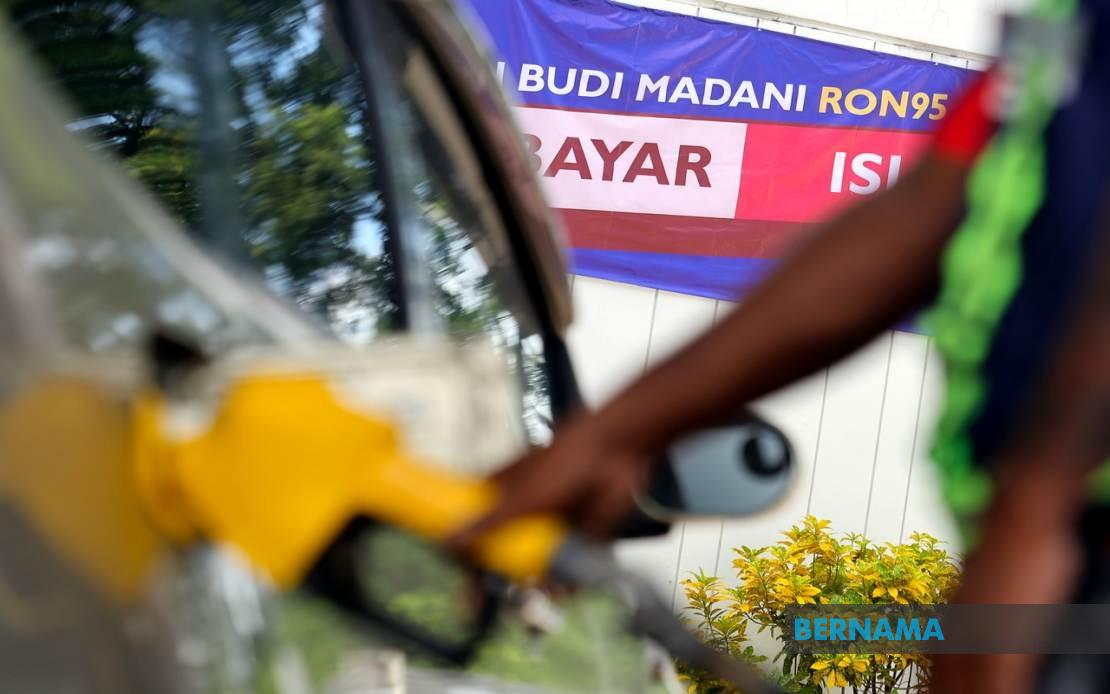
Malaysia's government has moved to reverse a previously announced reduction in subsidised fuel quotas, announcing the restoration of the BUDI MADANI RON95 (BUDI95) programme's basic monthly allocation to 300 litres. Prime Minister Datuk Seri Anwar Ibrahim made the announcement during his National Day address delivered at the Putrajaya International Convention Centre, signalling a recalibration of the administration's fuel subsidy strategy ahead of the 2026 implementation date.
The decision carries substantial implications for consumer purchasing power across the nation. With more than 16 million registered users of subsidised RON95 petrol, the restoration of the 300-litre monthly quota represents a meaningful recovery from the government's March announcement to compress the allocation to 200 litres from April 1, 2026. At the maintained subsidised price point of RM1.99 per litre, households relying on the programme will recover an additional 100 litres of fuel access monthly, translating to approximately RM199 in additional monthly purchasing support for eligible recipients.
The government's reversal reflects the complex balancing act required when managing fuel subsidies in an economy vulnerable to global energy price volatility. The original reduction decision had been justified on the grounds of regional geopolitical complications stemming from conflict in West Asia, which threatened to elevate international crude oil costs and strain the nation's fiscal position. By restoring the quota rather than merely maintaining the reduced level, the administration appears to be betting on a more stable international energy landscape or accepting a higher budgetary commitment to the subsidy programme.
Diesel vehicle owners will experience parallel benefits under the expanded scheme. The government confirmed that more than half a million eligible proprietors of diesel-powered pick-up trucks and jeeps will be entitled to access up to 400 litres of Budi Diesel monthly. This tier of support recognises the economic importance of commercial and semi-commercial vehicles in Malaysia's agricultural, logistics, and small business sectors, where diesel-dependent transport remains essential infrastructure.
The BUDI MADANI fuel subsidy programme itself represents a targeted approach to energy support, departing from the blanket subsidies that characterised earlier policy regimes. By restricting benefits to registered users through a controlled monthly quota system, the government aims to direct support toward eligible households and small business operators whilst containing fiscal leakage. The programme's design inherently limits fuel tourism and cross-border subsidy arbitrage that plagued universal subsidy systems.
For Malaysian households particularly in rural and semi-urban areas where alternative fuel sources or public transport remain limited, the restoration of the 300-litre quota addresses a genuine economic concern. The cost of maintaining vehicles for commuting, business operations, or essential services had become increasingly burdensome during the reduced-quota period. Families operating small commercial enterprises dependent on transportation—from small traders to delivery operators—faced compression of already tight profit margins.
The timing of this reversal carries political significance as the administration approaches the latter stages of its current parliamentary term. Announcements improving household consumer welfare tend to carry electoral resonance, particularly among lower-income demographics who benefit disproportionately from direct fuel subsidies. The decision to restore rather than maintain cuts suggests the government has determined that fiscal space exists for expanded subsidy commitments, or that the political cost of maintaining the reduced quota outweighed the budgetary savings achieved.
Regionally, Malaysia's approach to fuel subsidies continues to diverge from neighbours pursuing more rapid subsidy rationalisation. Indonesia, Thailand, and other Southeast Asian economies have moved toward partial or full subsidy elimination, forcing consumers to absorb international price fluctuations. Malaysia's maintenance of controlled subsidised pricing, even with quota limitations, positions the nation at the generous end of the regional spectrum, though this approach entails ongoing fiscal commitments that constrain government spending flexibility in other areas.
The subsidy programme's architecture through the BUDI MADANI framework demonstrates evolving policy sophistication. Rather than attempting universal fuel price controls that create market distortions and encourage smuggling, the targeted quota system allows the government to provide meaningful support to intended beneficiaries whilst maintaining price signals for non-eligible purchasers. However, the programme's reliance on an effective registration and tracking system means implementation capacity remains critical to preventing abuse or leakage.
Looking forward, the restored quota represents a policy position that will require reassessment should international energy markets deteriorate significantly or domestic fiscal circumstances deteriorate. The government's ability to maintain this commitment depends on either sustained moderation in crude oil prices or acceptance of enlarged budget deficits. Should geopolitical tensions in energy-producing regions escalate further, policymakers may confront renewed pressure to recalibrate the programme, potentially returning to earlier reduction proposals.
For Malaysian motorists and small business operators, the restoration provides immediate relief and greater planning certainty than the previously announced reduction would have permitted. The confirmation that the 300-litre baseline would be maintained through at least the announced timeframe allows households and enterprises to project transport costs with greater confidence. This stability in subsidy support, combined with the continued diesel allocation enhancements, reinforces the government's commitment to managing energy affordability as a key component of its broader cost-of-living mitigation strategy.

