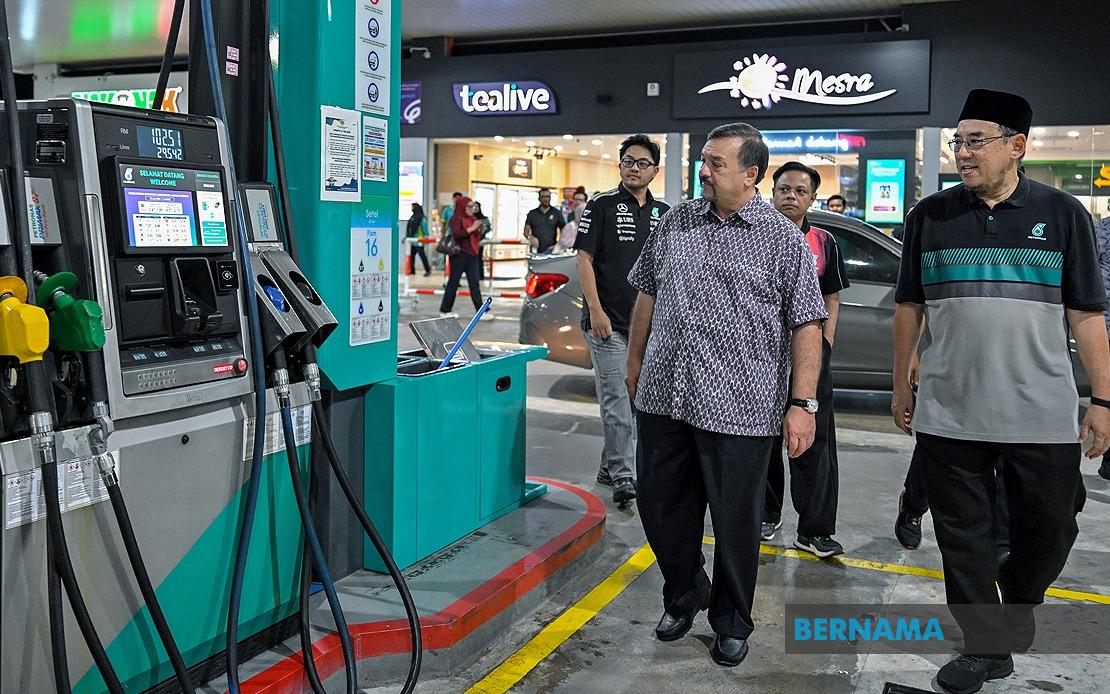
The government's latest diesel subsidy initiative has generated substantial uptake among eligible vehicle owners, with the BUDI MADANI portal receiving more than 18,000 applications for additional fuel allocations within its opening 48 hours. Second Finance Minister Datuk Seri Amir Hamzah Azizan disclosed the figures during an inspection at a Petronas station on the NKVE Damansara Bound route, emphasising that the early rollout of BUDI Diesel has unfolded without operational hitches or system failures.
The programme, which commenced its preliminary phase in Peninsular Malaysia, grants eligible owners of diesel-powered pickup trucks and sport utility vehicles access to an additional 100 litres of subsidised fuel monthly under a broader flexible allocation framework extending to 200 litres. This expansion represents a significant extension of Malaysia's fuel subsidy architecture, designed to address cost pressures faced by commercial vehicle users and other eligible groups dependent on diesel for their operations.
Transaction volumes paint a picture of robust public engagement with the digital infrastructure underpinning the initiative. Within the first two days, more than 40,000 individual fuel transactions have been processed through participating outlets, demonstrating both the accessibility of the platform and the immediate demand from vehicle owners seeking to benefit from reduced fuel pricing. The absence of reported glitches between operators, the BUDI MADANI portal, and petrol station systems suggests that technical preparations for this expansion proceeded successfully despite the rapid scaling required.
Pricing mechanics form a critical component of the subsidy's appeal. Eligible users currently access diesel at RM2.15 per litre during the early implementation phase, with a scheduled reduction to RM2.10 per litre beginning June 30. This tiered pricing structure reflects government calculations regarding subsidy management and fiscal sustainability, balancing affordability objectives against budget constraints—a persistent tension in Malaysia's fuel policy landscape.
Accessibility has been broadened beyond online channels to accommodate diverse user populations and technological comfort levels. Applicants can submit additional quota requests through the official BUDI MADANI portal, but the government has simultaneously established offline support infrastructure including assistance counters at Inland Revenue Board offices, Urban Transformation Centres across major cities, and service windows operated by multiple oil companies. This multi-channel approach addresses the digital divide that often marginalises rural or less tech-savvy vehicle owners from subsidy programmes.
A notable innovation within the programme architecture addresses practical realities of vehicle ownership and operation. The quota transfer facility permits quota reassignment when the registered vehicle owner differs from the actual operator—a common scenario in commercial transportation, fleet operations, and family enterprises. Applicants can initiate transfers through the same portal, with approved allocations subsequently linked to the designated user's identity card number rather than remaining tied exclusively to vehicle registration details.
Verification mechanisms embedding quota transfers into the petrol station payment ecosystem demonstrate technical sophistication in programme design. Once a transfer receives approval, the system recognises the reassignment when the designated user presents their identification at fuel stations, automatically crediting the transferred quota to the individual rather than the vehicle. However, administrators have established explicit boundaries on quota liquidity: allocations remain permanently tethered to specific vehicles and cannot be used by any individual other than the designated transferee, preventing quota commodification or secondary market trading that might undermine programme integrity.
Second Finance Minister Amir Hamzah's public assurances regarding operational stability and technical performance carry strategic weight. Government programmes involving subsidies and digital infrastructure frequently encounter public scepticism rooted in previous implementation difficulties, payment delays, or system failures. By personally inspecting operational sites and reporting the absence of technical complications or operator resistance, the minister sought to build confidence among eligible users that the programme merits their participation and that application processes will function reliably.
The timeline toward full national deployment on July 1 introduces urgency into the current preliminary phase. Early implementation experiences—whether involving system bottlenecks, user confusion, or unexpected demand surges—will inform final preparations for universal rollout. The government's evident focus on maintaining smooth operations through this transition period reflects recognition that operational failures during early stages could trigger broader public disengagement, ultimately undermining policy objectives and generating political vulnerability.
For Malaysian vehicle operators and transportation businesses, the BUDI Diesel programme represents a material reduction in operating expenses during a period of sustained global fuel price volatility. The combination of expanded quota allocations and subsidised pricing provides meaningful financial relief, particularly for small commercial operators, agricultural transport users, and rural communities dependent on diesel-powered vehicles. However, programme sustainability remains a medium-term consideration, as subsidy expansion typically increases fiscal pressures and raises questions about long-term affordability within Malaysia's budget framework.
Regional context illuminates the significance of Malaysia's diesel subsidy expansion. Southeast Asian governments routinely employ fuel subsidies to manage inflation, support rural economies, and moderate transport costs affecting competitiveness. Malaysia's approach—combining digital infrastructure, flexible allocations, and quota transfers—represents a technically ambitious effort to target subsidies efficiently rather than applying universal price controls. Success in executing this model could influence policy approaches across the region.
The programme's early reception suggests that eligible vehicle owners view the initiative as substantively valuable despite application procedures requiring online engagement or office visits. Sustained high application volumes through the transition toward July 1 will indicate whether the BUDI Diesel framework achieves its intended objectives of broadening fuel subsidy access while maintaining fiscal discipline through targeted allocation mechanisms rather than wholesale price controls.

