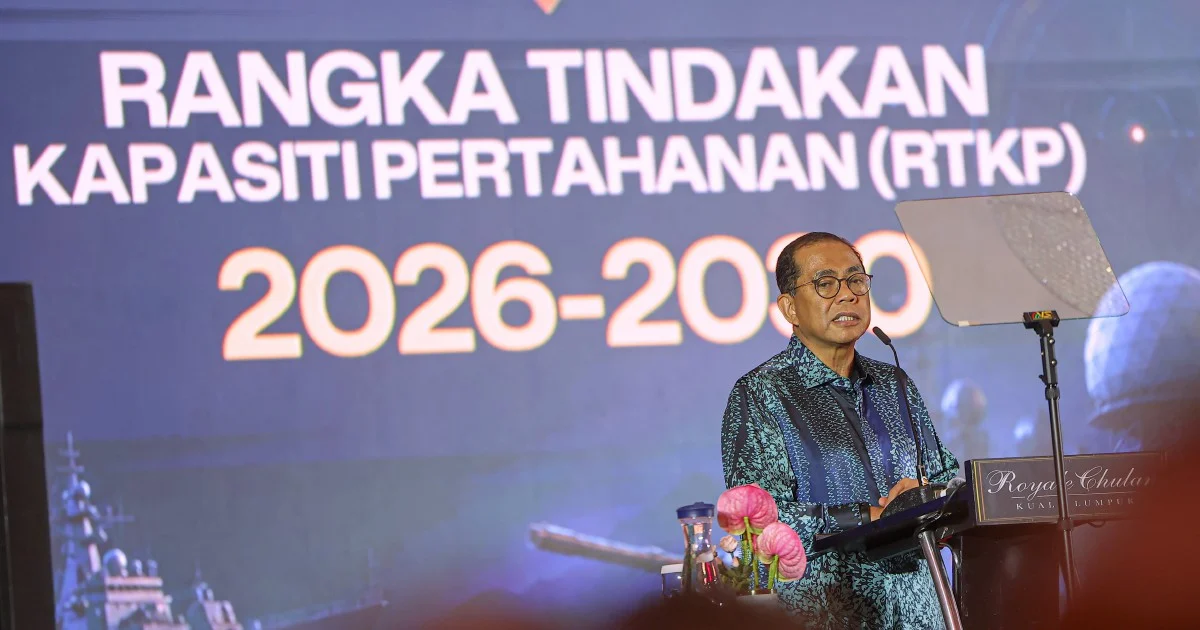
Defence Minister Datuk Seri Mohamed Khaled Nordin has signalled the Malaysian government's willingness to tackle the fallout from Norway's decision to revoke and cancel a missile supply arrangement for the Littoral Combat Ship (LCS) project, marking an official attempt to manage what has become a significant defence procurement headache.
The LCS programme, Malaysia's ambitious yet troubled naval acquisition initiative, has faced mounting scrutiny and repeated delays since its conception. The project, designed to modernise Malaysia's coastal defence capabilities, originally envisioned procurement of multiple vessels equipped with advanced weaponry. Norway's involvement as a supplier of missile systems was supposed to bolster the ships' combat effectiveness, but the Scandinavian nation's subsequent withdrawal has created diplomatic and logistical complications that authorities must now navigate.
The circumstances surrounding Norway's cancellation remain partially opaque, though such decisions typically reflect concerns about end-use restrictions, geopolitical considerations, or contractual disputes between supplier nations and recipient countries. For Malaysia, which has invested significant fiscal resources and political capital into the LCS venture, the Norwegian withdrawal represents another setback in a project already beset by cost overruns, technical delays, and parliamentary questions about procurement practices and accountability.
The Defence Ministry's public acknowledgement of its readiness to resolve the matter suggests that behind-the-scenes negotiations may already be underway or contemplated. This diplomatic posturing could involve exploring alternative missile suppliers, renegotiating terms with existing partners, or seeking clarification from Norwegian authorities regarding the conditions under which the contract was terminated. Each pathway carries distinct financial and strategic implications for Malaysia's defence establishment.
For Malaysian readers and policymakers, this development underscores the inherent challenges of major defence procurement in Southeast Asia, where geopolitical complexities intersect with technical requirements and budgetary constraints. The region's smaller nations often find themselves navigating competing interests from larger defence suppliers, each wielding contractual leverage and political influence. Malaysia's experience with the LCS programme illustrates how external parties can disrupt even advanced acquisition initiatives, placing governments in reactive rather than proactive positions.
The LCS project itself warrants contextualization within Malaysia's broader maritime security strategy. Tasked with addressing patrolling needs across extensive maritime zones and protecting exclusive economic interests, the Royal Malaysian Navy requires capable platforms. However, the LCS programme has struggled to reconcile ambitious specifications with realistic timelines and budgets, generating ongoing public and parliamentary concern about value for money and project management competence.
Norway's position as a developed, technologically advanced nation with stringent defence export criteria means its suppliers typically impose conditions on equipment end-use and recipient nations' strategic alignments. Such restrictions may have precipitated the missile contract cancellation, particularly if Malaysia's defence relationships or stated doctrines triggered Norwegian concerns about proliferation or misuse risks. Understanding these nuances is crucial for evaluating whether the disagreement can be quickly resolved or reflects deeper incompatibility.
The announcement by Datuk Seri Mohamed Khaled Nordin indicates institutional determination to restore momentum to the LCS programme, which remains strategically important to Malaysia's naval modernisation roadmap. However, rhetorical commitment to resolution must translate into concrete diplomatic action, alternative supplier identification, or contractual renegotiation to prove substantive. The coming weeks and months will reveal whether the Defence Ministry possesses both the diplomatic bandwidth and financial flexibility to remedy the Norwegian situation.
This situation also carries broader regional implications. Other Southeast Asian nations pursuing naval modernisation programmes will observe Malaysia's handling of this challenge, potentially adjusting their own defence procurement strategies accordingly. Should Malaysia successfully navigate the Norwegian complication, it may offer lessons in managing supplier relationships and geopolitical constraints. Conversely, prolonged difficulties could undermine confidence in Malaysia's ability to execute complex defence projects, affecting its international credibility among defence contractors and allied nations.
The interplay between Malaysia's defence needs, budgetary realities, and international supplier conditions will ultimately determine the resolution pathway. Defence Minister Datuk Seri Mohamed Khaled Nordin's assurance of government readiness represents an important first step in managing public expectations, though the technical and diplomatic complexity of the underlying issue should not be underestimated. How effectively Malaysia addresses this challenge will influence both the LCS programme's future trajectory and the nation's broader capacity to execute sophisticated defence initiatives requiring international cooperation and supply chain reliability.

