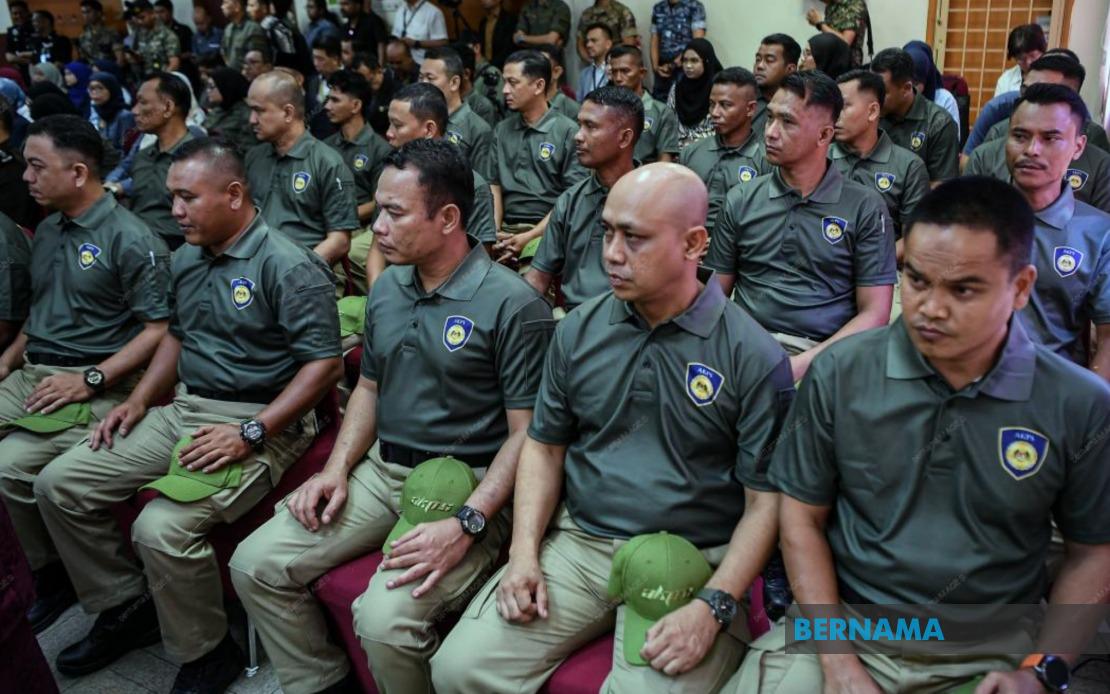
The Malaysian government has moved to reassure thousands of border control officers that their careers and benefits will remain intact as the Border Control and Protection Agency (AKPS) shifts to a new administrative framework under the Public Service Department (PSD) starting July 1. Deputy Home Minister Datuk Seri Dr Shamsul Anuar Nasarah made the pledge during parliamentary questioning, addressing widespread concern among enforcement personnel about potential disruption to their employment conditions following the significant organisational change.
The transition marks a pivotal moment for AKPS, which was established through the consolidation of multiple enforcement agencies into a unified border management structure. The agency now oversees movement control and goods inspection across Malaysia's 122 official entry points, a critical function for national security and trade facilitation. The merger, while strategically sound, has created uncertainty among the 8,403 personnel allocated to the new organisation as they navigate changed administrative arrangements.
According to Shamsul Anuar, officers who elect to remain within their original service schemes at their parent agencies will experience no diminishment of career prospects or entitlements. This safeguard is particularly significant given that many AKPS positions were previously filled through secondment arrangements, meaning personnel maintained ties to their founding departments. The government's commitment ensures that these individuals can transition without jeopardising accumulated seniority or pension calculations, which are central concerns for civil service employees approaching retirement.
For those not accepting transfer options, the government has outlined a holding arrangement pending final placement decisions by the PSD. Officers in this category may either remain with AKPS on a temporary basis or be reassigned to their original departments, with the specific outcome depending on available positions and operational requirements. This flexible approach acknowledges that not all personnel will wish to formalise their relationship with the newly restructured agency, while still providing them with continued employment and pathway options.
Current staffing levels at AKPS reveal the magnitude of ongoing recruitment efforts. As of mid-June, approximately 6,824 of the 8,403 authorised positions had been filled, leaving 1,579 vacancies that require gradual resolution. The Home Ministry, PSD, and contributing agencies are collaborating to complete this recruitment process, though the staggered approach suggests that operational continuity is being prioritised over rapid full staffing. This measured pace prevents sudden service disruptions while allowing thorough vetting of new appointees.
To enhance recruitment appeal and retain experienced personnel, the government has introduced financial incentives for AKPS service. Officers receive an additional annual salary increment (KGT) alongside a RM200 service incentive, offsetting the challenges of border work. These measures reflect recognition that entry point operations demand sustained performance and that competitive compensation helps attract qualified candidates. The incentives also signal government commitment to maintaining service quality during the transition period.
The parliamentary response to Rushdan Rusmi's question, asked on behalf of Padang Besar constituents in Perlis—a state with significant border activity—underscores the political dimension of this issue. Border communities have direct interest in enforcement stability, as disrupted services could affect legitimate cross-border commerce and security operations. The Deputy Home Minister's detailed reassurances were therefore designed to alleviate concerns that restructuring might compromise operational effectiveness at critical checkpoints.
For Malaysian readers, particularly those working in civil enforcement or living near border areas, the government's assurances address fundamental job security anxieties. The guarantee that promotion and retirement benefits remain unaffected provides concrete protection against potential disadvantage from organisational change. However, the significant number of unfilled positions suggests that service quality during the transition may depend on successfully recruiting and integrating new personnel, a challenge that will require sustained effort.
The AKPS restructuring reflects broader Southeast Asian trends toward consolidated border management, where multiple agencies merge to improve coordination and reduce duplication. Malaysia's approach, incorporating existing personnel through flexible schemes while gradually introducing new recruits, represents a pragmatic middle path between wholesale replacement and complete continuity. This model may offer lessons for other regional governments contemplating similar consolidations.
Looking forward, the success of this transition will be measured not merely by staffing numbers but by whether border operations remain efficient and whether displaced anxieties among personnel are genuinely resolved. The government's commitment to protecting existing rights must be matched by operational reality—vacant positions must be filled competently, integration challenges resolved, and service standards maintained. Monitoring of this transition over coming months will indicate whether the policy framework translates into genuine stability for AKPS personnel and uninterrupted border security.

