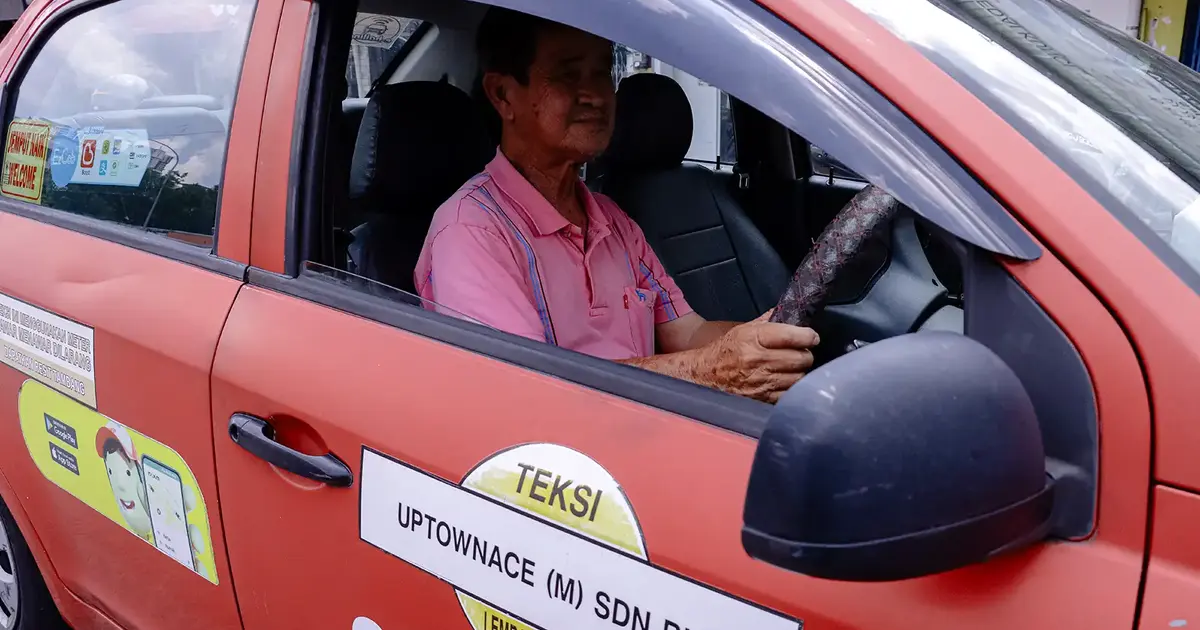
The federal government has committed an additional RM10 million in support for taxi drivers operating across Malaysia, signalling renewed focus on the transportation sector that serves as a crucial interface between the nation and its international visitors. Prime Minister Anwar Ibrahim emphasized that taxi drivers function as informal ambassadors, directly influencing how foreign tourists perceive the country through their daily interactions and service standards.
This allocation underscores the government's recognition of taxi drivers' position within Malaysia's broader tourism and hospitality ecosystem. As frontline workers, these drivers encounter visitors during some of their earliest and most frequent interactions with the country, shaping initial impressions that extend far beyond their time in the vehicle. The support package reflects acknowledgment that the sector has faced sustained pressures from changing travel patterns and evolving competition from ride-hailing platforms.
The RM10 million injection represents a targeted intervention aimed at stabilizing the taxi industry and maintaining service quality across major routes and destinations. Such allocation typically addresses operational challenges faced by drivers, potentially including support for vehicle maintenance, fuel subsidies, or training initiatives designed to elevate service standards. These measures become particularly significant in the post-pandemic period as tourism recovery continues and Malaysia seeks to position itself competitively within regional travel markets.
The announcement carries implications for Malaysia's broader tourism strategy, which depends heavily on visitor satisfaction across all service touchpoints. Foreign tourists frequently rely on taxis as their primary mode of ground transportation, particularly in Kuala Lumpur, Penang, and other major urban centres. The quality of these interactions directly influences whether visitors recommend Malaysia to others and whether they return for future trips, both critical factors in sustaining long-term tourism revenues.
Taxi driver welfare has emerged as a recurring policy concern, with the sector experiencing structural transformations over the past decade. Competition from app-based ride-hailing services has fundamentally altered market dynamics, with traditional taxi operators facing pressure to maintain competitive pricing while managing rising operational costs. This additional government support represents one response to ensure that conventional taxi services remain viable and that experienced drivers are not forced to abandon the profession due to unsustainable economic pressures.
The timing of this allocation aligns with Malaysia's continuing efforts to rehabilitate its tourism industry following pandemic disruptions. International visitor arrivals have been recovering gradually, with the government targeting specific growth metrics for the tourism sector in its medium-term economic planning. Every component of the visitor experience—including reliable, courteous taxi services—contributes to the overall competitiveness of Malaysia as a destination choice among regional alternatives.
Beyond immediate economic support, the government's language around this allocation carries symbolic weight. By explicitly designating taxi drivers as frontliners and acknowledging their ambassadorial role, the administration elevates the profession's status and reinforces that their contributions merit institutional recognition. This rhetorical dimension can complement material support by fostering professional identity and encouraging higher service standards across the workforce.
The distribution and implementation mechanisms for this RM10 million warrant attention from industry stakeholders. Clarity regarding eligibility criteria, application procedures, and the specific purposes for which funds can be utilized will determine the allocation's practical impact. Whether resources flow to individual drivers, cooperative associations, or fleet operators will shape how benefits are distributed and which segments of the taxi workforce benefit most substantially.
This initiative also reflects the government's balancing act between supporting traditional transportation modes and accommodating newer mobility services. While the allocation supports conventional taxis, Malaysia's regulatory environment continues to evolve around ride-hailing platforms, which operate under different licensing frameworks. The government's continued investment in taxi sector viability suggests commitment to pluralistic transportation options rather than wholesale displacement of established services.
For Southeast Asian context, Malaysia's approach offers instructive precedent regarding state support for traditional transportation workers facing digital disruption. Other countries in the region grapple with similar tensions between preserving livelihoods in legacy sectors and facilitating innovation in transportation services. Malaysia's policy choice to actively support taxi drivers through targeted allocations contrasts with purely market-driven approaches, positioning it within a particular governance philosophy regarding worker protection and sectoral stability.
The announcement should prompt examination of taxi service quality metrics and whether previous government interventions have achieved measurable improvements in driver training, vehicle maintenance standards, or customer satisfaction ratings. Such evidence would inform expectations regarding this latest allocation's effectiveness and provide baseline data for assessing whether additional investments should follow.
Moving forward, sustainable support for the taxi sector likely requires complementary reforms addressing underlying structural challenges rather than recurring allocations alone. Investment in driver training programmes, regulatory modernization, vehicle safety standards, and professional development infrastructure could address root causes of sector vulnerability while supporting individual livelihoods. The government's RM10 million commitment represents immediate relief, but long-term sector viability depends on comprehensive strategies that position taxi drivers as professional transportation specialists rather than residual workforce segments.
This allocation demonstrates that Malaysia's government recognizes taxi drivers' significance beyond mere transportation provision—they function as cultural representatives and experience gatekeepers for international visitors. How effectively this support translates into improved working conditions and service standards will determine whether the investment achieves its intended outcomes of strengthening the sector and enhancing Malaysia's tourism competitiveness.

