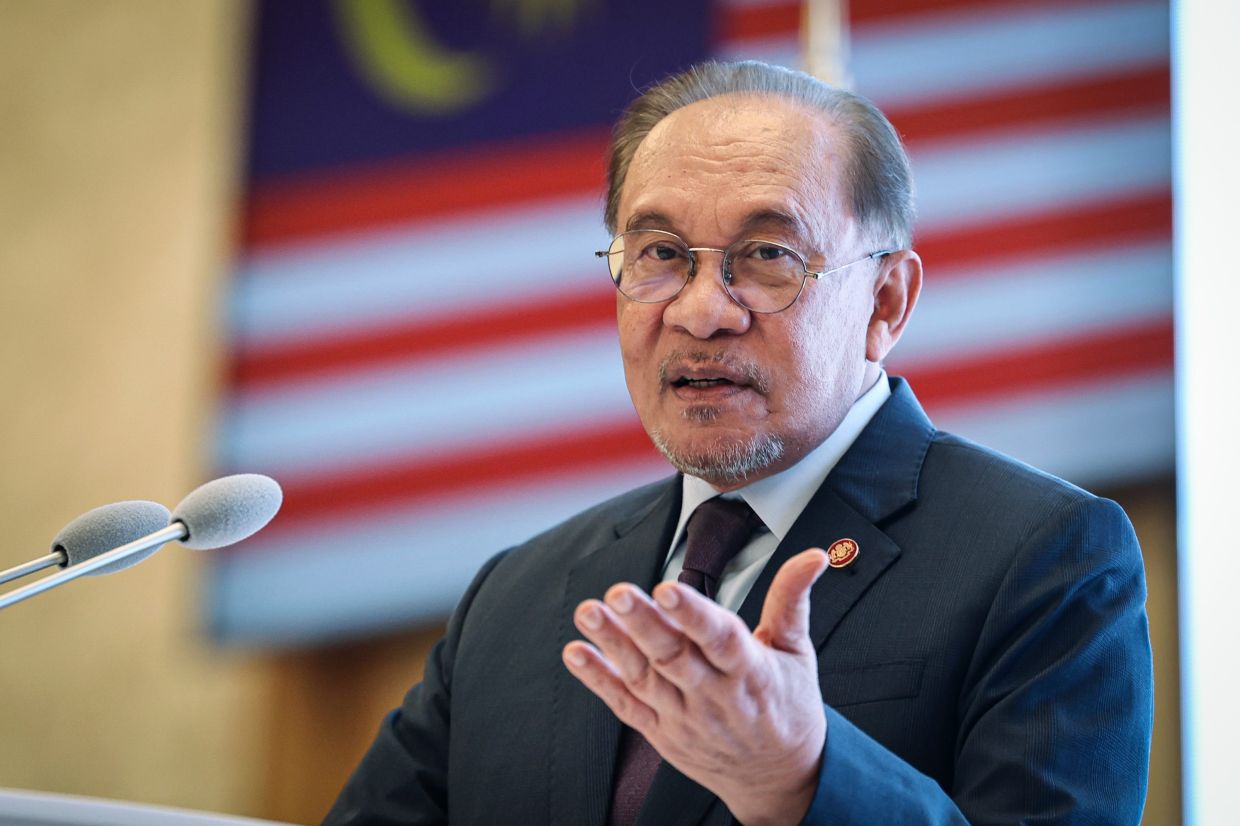
Malaysia's government is considering a restructured taxation framework that would blend selected elements of the Goods and Services Tax with the country's existing Sales and Service Tax regime, according to Prime Minister Datuk Seri Anwar Ibrahim, who doubles as Finance Minister. Speaking during the closing remarks of the Budget 2027 engagement session in Putrajaya, Anwar indicated receptiveness to examining how GST mechanisms might improve the progressivity and equity of Malaysia's current tax architecture, though with significant guardrails in place.
The proposal reflects ongoing debate within policy circles about whether Malaysia's existing SST framework, implemented since September 2018 as a replacement for the GST, adequately balances revenue generation with social equity. Anwar's acknowledgment that certain GST components warrant examination suggests recognition among senior government economists that no single tax model is perfect, and that tactical borrowing of design features from alternative systems could strengthen Malaysia's fiscal foundation without compromising core policy principles.
However, Anwar made explicitly clear during his remarks that any exploration of hybrid taxation would operate within strict parameters. The government has no intention of abandoning SST as Malaysia's foundational tax system, and no proposal under consideration would recreate the conditions that made the original GST implementation so controversial during the previous administration. This distinction carries substantial political weight, given that public resentment toward the GST's broad application across the economy remained a live issue in Malaysian electoral politics for years after its 2015 introduction.
At the heart of Anwar's position lies a fundamental philosophical disagreement with how the GST functions as a tax instrument. He characterised the GST as inherently broad-based, imposing levies across the entire population regardless of income level or economic circumstances. This universality of application troubled him both then and now, particularly in Malaysia's current economic climate where cost-of-living pressures have intensified household financial stress. The Prime Minister framed the issue in direct terms: a taxation system that forces previously untaxed segments of society to contribute significantly alters the social contract and risks deepening inequality rather than alleviating it.
Anwar's articulated concern centres on the regressive nature of consumption taxes when applied without sufficient exemptions or rebates for essential goods. The GST, despite government arguments about its administrative efficiency and broader tax base, effectively transfers a larger proportion of income from lower-earning households than from wealthier ones, since poorer families spend a higher percentage of their earnings on taxable consumption. By contrast, the SST structure allows for selective taxation of specific goods and services, theoretically permitting policymakers to exempt or reduce rates on items deemed essential to the bottom income quartiles whilst maintaining taxation on luxury goods and discretionary services.
The Finance Minister's remarks also reflect awareness among Malaysia's economic policymaking establishment that taxation cannot be divorced from contemporary cost-of-living dynamics. Malaysia, like other Southeast Asian economies, faces inflationary pressures, wage stagnation in certain sectors, and rising housing, energy, and food costs. In this context, introducing or reintroducing broad-based consumption taxes that affect everyone—particularly those already struggling with basic expenses—carries substantial political risk and potential social consequences. Anwar's repeated emphasis on this point suggests it remains a non-negotiable constraint on any tax reform exercise.
The government's openness to studying a hybrid model nevertheless signals that policymakers recognise SST's limitations and are seeking incremental improvements rather than wholesale systemic overhaul. The SST, while more politically palatable than the GST, has faced criticism from revenue authorities for generating less tax income than the former system and for creating administrative complexities when managing dual consumption taxes on goods and services. Sophisticated tax design might identify specific GST-derived mechanisms—perhaps improved compliance frameworks, refined digital tracking systems, or more nuanced rate differentiation—that could enhance SST's effectiveness without sacrificing its core principle of selective application.
The Budget 2027 engagement session, attended by senior economic officials including Finance Minister II Datuk Seri Amir Hamzah Azizan, Bank Negara Malaysia Governor Datuk Seri Abdul Rasheed Ghaffour, and Treasury secretary-general Tan Sri Johan Mahmood Merican, suggests that this tax exploration occurs within Malaysia's formal budget consultation machinery. The presence of industry representatives, NGOs, and economic scholars indicates that any eventual recommendations would emerge from relatively broad-based stakeholder input rather than isolated technocratic deliberation. This inclusive approach may help build consensus for whatever incremental tax adjustments ultimately reach Parliament.
The government's Budget 2027, themed 'Malaysia MADANI: Menggapai di Langit, Mengakar di Bumi,' is scheduled for parliamentary tabling on October 9. While Anwar's remarks about tax reform exploration do not guarantee concrete legislative proposals within this budget cycle, they signal that revenue and equity considerations will factor prominently in the government's fiscal planning. For Malaysian business and civil society, this suggests that significant taxation changes are being seriously examined, even if immediate implementation remains uncertain.
From a regional perspective, Malaysia's deliberate approach to taxation policy contrasts with some neighbours' more aggressive fiscal consolidation efforts. As Southeast Asian economies navigate post-pandemic recovery, inflation, and shifting global trade patterns, Malaysia's government appears focused on sustaining growth whilst protecting lower-income households from regressive tax burdens. Whether the hybrid GST-SST model ultimately materialises or remains a technical exercise, Anwar's positioning reveals that progressive taxation—ensuring burdens fall more heavily on those with greater ability to pay—remains a defining principle of Malaysian fiscal policy under the current administration.

