Malaysia's government has set its sights on establishing at least 1,000 MADANI Recreational Parks across the nation by 2030, marking an ambitious commitment to enhancing recreational infrastructure and community spaces. The initiative represents a significant component of the government's broader push to embed quality-of-life improvements into urban and suburban planning, particularly in ensuring that recreational facilities reach populations that may otherwise lack access to safe, well-designed public spaces. Officials unveiled progress on the scheme during National Landscape Day celebrations in Melaka, signalling momentum in what represents one of the government's flagship community development programmes.
The initiative has already gained considerable traction in the early stages of implementation. According to National Landscape Department director-general Mansor Mohamad, 216 MADANI Recreational Parks have been completed as of 2025, demonstrating that the project is moving beyond conceptual stages into tangible on-ground delivery. An additional 100 parks are currently under construction during 2025, indicating that the pace of development is accelerating as local authorities and contractors build expertise and establish supply chains for these facilities. This trajectory suggests that reaching the 1,000-park milestone by 2030 is not merely aspirational but supported by concrete implementation schedules and budget allocations.
The financial framework underpinning the programme shows careful cost planning. Individual MADANI Recreational Parks typically require an investment ranging from RM400,000 to RM500,000 each, with variations depending on site dimensions and the specific design specifications adopted. This pricing model allows the government to forecast total programme costs and distribute resources strategically across federal, state, and local authority budgets. For context, establishing 1,000 parks at average cost would necessitate approximately RM450 million in total investment, a manageable figure when spread across a five-year implementation period and multiple funding sources.
The strategic placement of these parks reflects a deliberate approach to equity in recreational access. Rather than concentrating facilities in affluent urban centres, the MADANI parks programme prioritises community and residential areas, ensuring that ordinary Malaysians—regardless of neighbourhood demographics or economic status—have nearby venues for leisure, exercise, and social gathering. This distribution strategy addresses a longstanding gap in Malaysian urban planning, where recreational spaces have historically been unevenly distributed across different districts and communities. By embedding parks within existing neighbourhoods, the government reduces barriers to utilisation and encourages higher participation rates among residents.
A defining feature of the MADANI parks initiative is its commitment to universal design principles, an approach that has gained traction globally but remains relatively nascent in Malaysian public infrastructure. Universal design ensures that facilities serve the broadest possible demographic spectrum, including children, teenagers, adults, persons with disabilities, and elderly citizens. Rather than creating separate or segregated spaces, this inclusive philosophy integrates accessibility features into the core design, allowing grandparents in wheelchairs, young families with prams, teenagers seeking exercise equipment, and children's play areas to coexist within the same thoughtfully planned space. This approach not only serves practical accessibility needs but also fosters social cohesion by creating spaces where diverse age groups and abilities naturally interact.
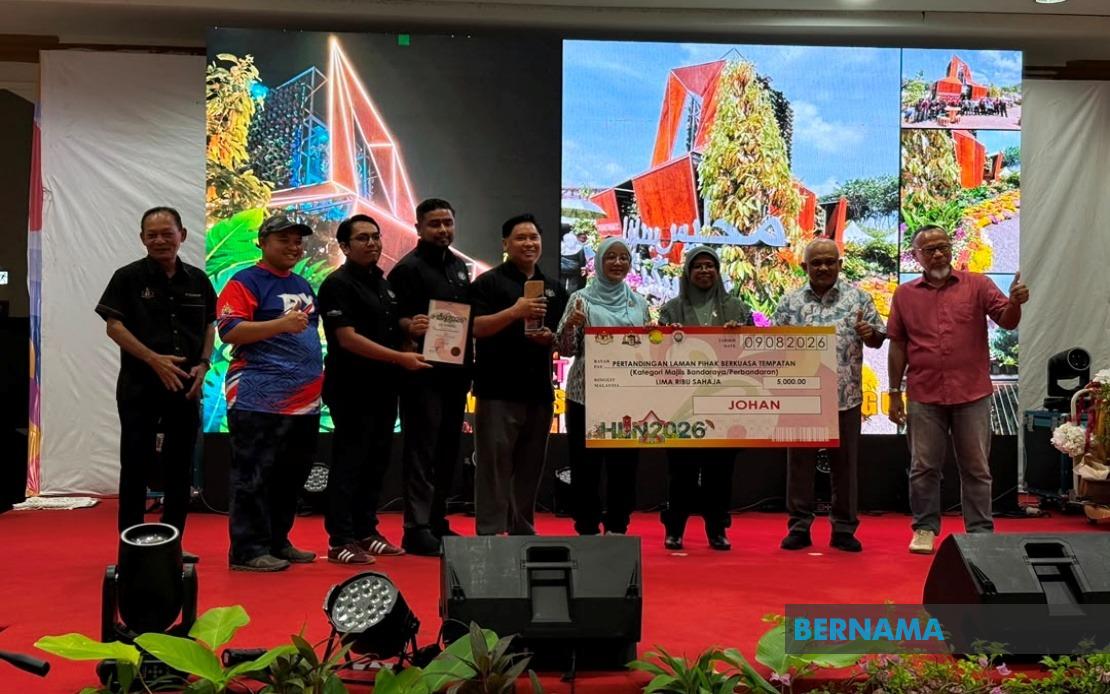
The National Landscape Day celebrations provided a gauge of public interest in landscape and recreational development. The four-day event, held in Melaka at Hang Jebat Stadium in Krubong, attracted approximately 80,000 visitors, suggesting substantial community appetite for improved green and recreational spaces. Beyond celebrating landscaping culture, the event served commercial purposes, offering landscape industry entrepreneurs a platform to exhibit and sell products and services. This dual function—celebrating design culture while stimulating a commercial ecosystem—reflects pragmatic programme management that leverages public enthusiasm to support local business development and industry growth.
The event's high attendance and positive reception underscore broader Malaysian interest in enhancing community spaces and recreational infrastructure. For many residents, the expansion of accessible parks addresses immediate lifestyle concerns: safe spaces for children to play, venues for fitness activities, and gathering points for community events. The visible progress on MADANI parks may also influence public perception of government effectiveness in delivering tangible infrastructure projects that directly improve daily life, a dimension of governance that often carries more weight in public assessment than grand policy statements.
Planning for the 2026 National Landscape Day celebration has already commenced, with officials identifying prospective locations and canvassing feedback from stakeholders. This forward-planning approach suggests institutional commitment beyond annual rhetoric, embedding the parks initiative into recurring policy cycles and ensuring sustained attention and resource allocation. Stakeholder engagement—encompassing local authorities, community groups, landscape professionals, and residents—will shape the programme's evolution, allowing the design philosophy to refine based on real-world implementation experience and user feedback.
For Malaysia's broader urban development trajectory, the MADANI parks initiative represents a shift toward greater emphasis on quality-of-life infrastructure alongside traditional economic development priorities. As Malaysian cities densify and urbanisation pressures mount, accessible recreational spaces become increasingly crucial for public health, social cohesion, and quality of living. The government's commitment to 1,000 parks by 2030 signals recognition that development extends beyond commercial centres and transportation networks to encompass the everyday spaces where communities live, exercise, and interact.
From a Southeast Asian perspective, Malaysia's approach may offer instructive lessons for neighbouring countries grappling with similar urban challenges. Many regional cities face comparable pressures: rapid urbanisation, uneven infrastructure distribution, and growing recognition that inclusive public spaces matter for social stability and resident wellbeing. The MADANI programme's emphasis on universal design, strategic community placement, and staged implementation provides a replicable model that other nations might adapt to their contexts, while Malaysia's experience offers data on costs, design approaches, and user engagement that could inform regional best practices.
The implementation challenge ahead remains substantial. Sustaining the current construction pace—roughly 80 parks annually based on current trajectories—requires consistent funding, skilled design and construction capacity, and effective land acquisition across diverse municipalities with varying resources and governance capabilities. State and local authorities will play pivotal roles in execution, and success may vary significantly across different regions depending on administrative capacity and political prioritisation. Ensuring that completed parks receive adequate maintenance and remain functional and safe over time will be equally critical to justifying the investment and sustaining public confidence in government projects.

