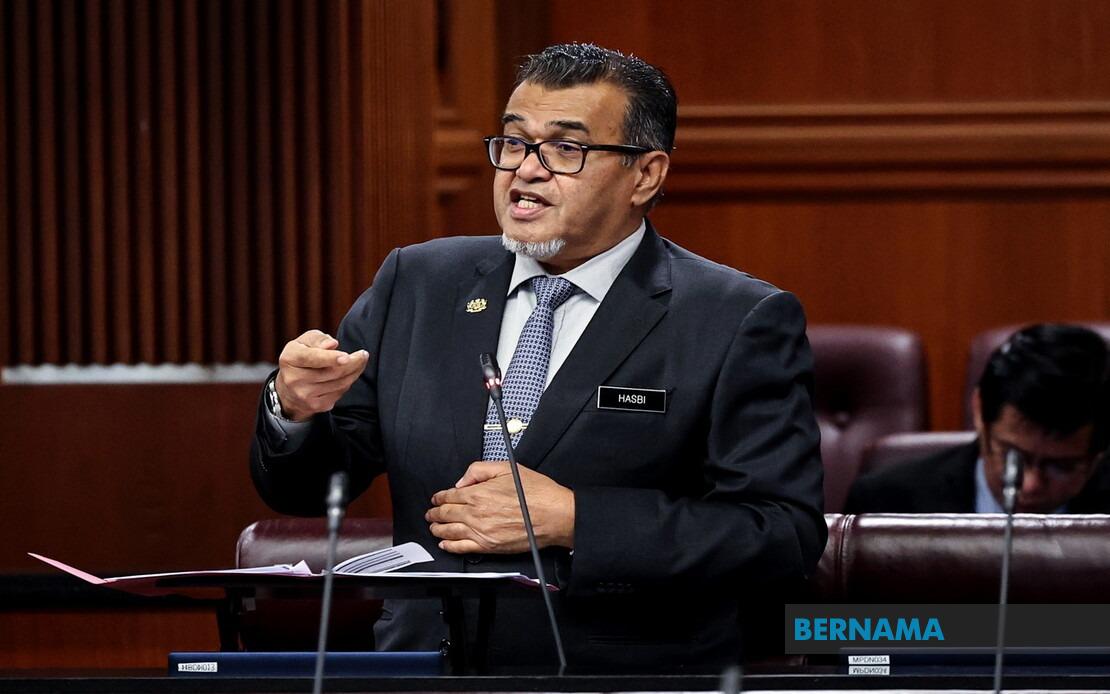
The Malaysian government is moving to close legal loopholes that have allowed organised theft and vandalism of railway infrastructure to flourish with relative impunity. Deputy Transport Minister Datuk Hasbi Habibollah revealed in Parliament on July 2 that comprehensive amendments to existing legislation are being finalised, with implementation expected before year-end. The overhaul represents a significant shift in how authorities intend to handle criminals targeting the nation's rail network, addressing what officials acknowledge as inadequate deterrents under current law.
Existing penalties for railway crimes have proven woefully insufficient, forming the crux of the government's rationale for reform. Current legislation imposes fines of merely RM500 to RM1,000 for trespassing on railway property—a sum that criminals evidently consider an acceptable cost of doing business. The amendments will introduce substantially harsher punishments, particularly targeting cable theft which has emerged as the most economically damaging crime targeting rail assets. By dramatically increasing financial penalties and potentially introducing custodial sentences, policymakers hope to shift the risk-reward calculation that currently favours criminal gangs.
The scale of the problem justifies the legislative push. Between the past three years, railway authorities documented 393 separate cable theft incidents involving 19,756 metres of stolen cable infrastructure. This staggering volume translates into RM16.3 million in direct losses—a figure representing genuine economic harm to Malaysia's transportation infrastructure and, by extension, national development priorities. Cable theft proves particularly insidious because it disrupts rail operations, endangers passenger safety, and demands expensive repairs that divert maintenance budgets from modernisation projects. The organised nature of these thefts suggests coordinated criminal networks rather than opportunistic crimes, underscoring the need for enforcement strategies that target both individual perpetrators and the ecosystem enabling their activities.
Recognising that legislation alone cannot solve entrenched criminal problems, the government is simultaneously implementing multi-pronged operational responses. The Railway Assets Corporation has invested RM14 million in installing 1,146 artificial intelligence-enabled closed-circuit television systems across high-risk locations along railway corridors. This technological upgrade represents a substantial commitment to real-time monitoring and evidence collection, enabling faster response to incidents and providing investigative leads for law enforcement agencies. The intelligence systems can identify unusual activity patterns and alert operators to potential threats before crimes occur rather than merely documenting them after the fact.
Aerial surveillance capabilities are complementing ground-based CCTV infrastructure. Drones have been deployed to monitor areas difficult to reach through conventional foot or vehicle patrols, particularly remote sections of railway lines where thieves traditionally operated with confidence. The flexibility of drone operations allows authorities to concentrate surveillance resources on sections experiencing elevated theft activity, adapting deployment strategies based on real-time crime patterns. This technological sophistication represents a departure from purely reactive policing toward predictive enforcement.
The government is simultaneously addressing the crucial demand side of the criminal equation. Officials are strengthening coordination with the Royal Malaysian Police and engaging scrap metal operators and dealers who form the essential market for stolen cable. By pressuring legitimate scrap dealers to implement stricter verification procedures and refusing to purchase materials lacking proper documentation, authorities aim to eliminate the financial incentive driving theft. Cable theft becomes economically pointless if criminals cannot convert stolen materials into cash—breaking what officials term the "market chain for stolen goods." This approach recognises that reducing criminal profitability often proves more effective than enforcement alone.
Operational capacity on railway property is being enhanced through acquisition of additional patrol resources. Keretapi Tanah Melayu Berhad has secured approval to procure 20 scrambler motorcycles for the Auxiliary Police force, enabling faster response to incidents in areas where traditional patrol vehicles struggle with access. These motorcycles enhance enforcement presence in high-risk rail corridors while reducing response times to reported incidents. The investment signals recognition that adequate enforcement requires appropriate equipment and mobility for personnel deployed to protect railway assets.
These initiatives reflect broader challenges confronting Southeast Asia's transportation infrastructure. Railway networks across the region have become increasingly attractive targets for organised crime groups seeking valuable metals amid rising global commodity prices. Malaysia's experience mirrors problems encountered in Thailand, Indonesia, and the Philippines, where cable theft has disrupted rail operations and endangered passenger safety. The coordinated response combining legislative reform, technology deployment, operational enhancement, and supply-chain disruption provides a template potentially applicable across the region.
The timing of these measures assumes heightened significance given Malaysia's infrastructure expansion agenda. The government is simultaneously investing heavily in rail corridor development and electrification—projects requiring protection from organised theft. Uncontrolled cable theft can undermine confidence in rail system security and impose hidden costs on modernisation programs through repeated repairs and operational disruptions. Effective protection therefore becomes essential to realising returns on substantial infrastructure investments. The legislative amendments and enforcement upgrades represent preconditions for successful implementation of ambitious rail development plans.
Deputy Minister Hasbi's parliamentary disclosure indicates that political leadership recognises railway security as a legitimate governance priority. Public acknowledgment of the cable theft problem and announcement of concrete remedial measures provide reassurance to rail users and infrastructure operators. The specificity of planned amendments and operational enhancements—rather than vague commitments to improved enforcement—suggests serious intent to implement change. Subsequent parliamentary tabling of amended legislation and budget allocation for equipment procurement will reveal whether political statements translate into sustained action.
For Malaysian commuters and freight users, the initiatives promise more reliable rail services less disrupted by theft-induced damage and operational interruptions. Insurance costs and user fees may ultimately reflect reduced infrastructure losses attributable to successful theft prevention. The coordinated approach also protects public safety by preventing criminals from stranding passengers on immobilised trains due to cable damage. These practical benefits extend beyond mere asset protection to genuine improvements in transport system reliability.
Longer-term success of these measures depends on sustained political commitment and adequate resource allocation over multiple years. Organised crime groups typically respond to enforcement escalation by adapting tactics and targeting methods—requiring enforcement agencies to continuously innovate and evolve strategies. The government's commitment to multi-faceted approaches combining legal penalties, technological monitoring, operational deployment, and supply-chain disruption suggests sophistication in addressing entrenched criminal problems. Whether implementation matches rhetoric will become apparent once Parliament receives and debates the amended legislation.

