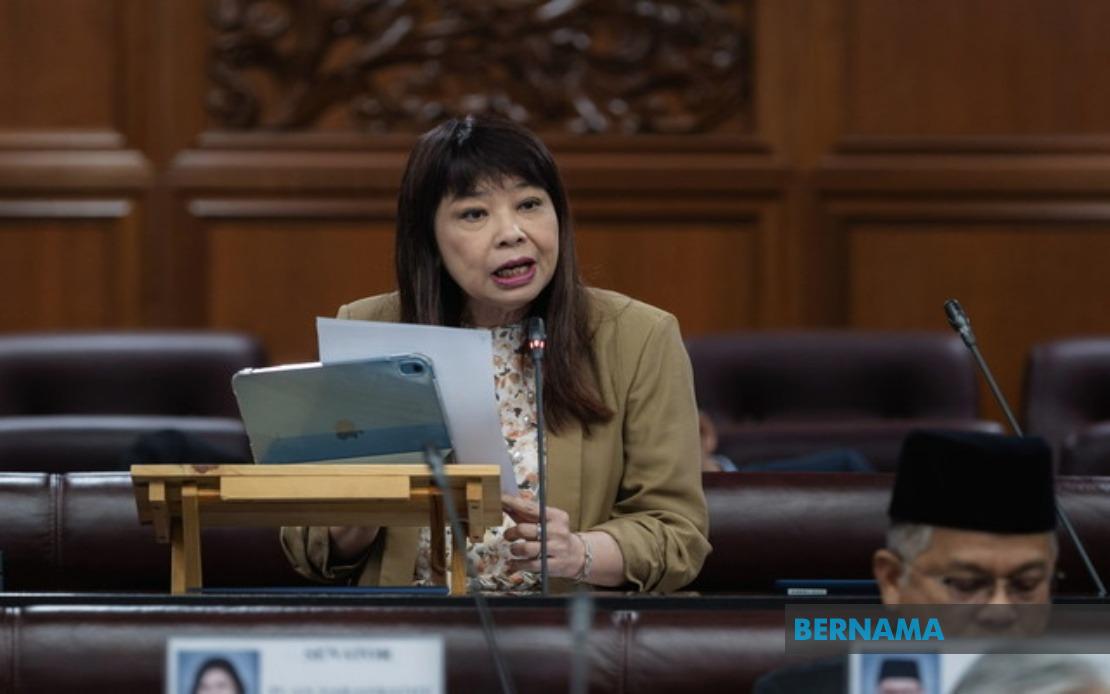
The Malaysian government is moving forward with plans to create a centralised registry system designed to track individuals with multiple domestic violence convictions, according to Deputy Minister Lim Hui Ying. The initiative, unveiled during parliamentary Question Time at the Dewan Negara, represents a significant policy shift aimed at breaking cycles of repeated abuse within households. Currently, Malaysia lacks comprehensive mechanisms for identifying and monitoring offenders who commit domestic violence more than once, a gap that officials say hampers prevention efforts and leaves victims vulnerable to recurrent harm.
Development of the registry is proceeding through collaborative efforts involving three key institutions: the Ministry of Women, Family and Community Development (KPWKM), the Royal Malaysia Police (PDRM), and Malaysia's judicial system. This inter-agency approach reflects recognition that tackling domestic violence requires coordination across law enforcement, social protection, and criminal justice sectors. The three bodies are currently working to design appropriate frameworks for recording offender information and establishing monitoring protocols that comply with existing legal structures. Officials acknowledge that this coordinated effort is necessary because Malaysia currently lacks reliable consolidated data on repeat domestic violence perpetrators, making it difficult to identify patterns or implement targeted interventions.
The proposed mechanism will operate alongside existing criminal record systems or potentially as a dedicated offenders registry, though officials have not yet finalised the technical details. The government's decision to pursue this approach follows years of advocacy from domestic violence prevention advocates who argue that without systematic tracking, offenders can move between jurisdictions or obtain protection orders under different identities. The registry would enable police and courts to identify individuals with prior convictions, potentially informing bail decisions, sentencing recommendations, and protective order assessments. This data-driven approach aligns with international best practices adopted by several developed nations.
Parallel to registry development, KPWKM is strengthening the physical infrastructure supporting victims through a RM2.1 million allocation for upgrading more than 20 government-operated shelters nationwide this year. These facilities provide emergency refuge for individuals fleeing domestic violence, and upgrades ensure they maintain operational standards, safety protocols, and capacity to accommodate victims requiring immediate temporary accommodation. The investment acknowledges that physical shelter availability remains critical even as prevention and monitoring systems improve. Shelter upgrades include security enhancements, improved living conditions, and maintenance of essential services that allow victims to stabilise their situations before pursuing longer-term solutions.
Malaysia's shelter network comprises 43 approved facilities operating under the Domestic Violence Act 1994 (Act 521), with 39 managed directly by government through the Social Welfare Department (JKM) and four operated by non-governmental organisations. This mixed public-private approach provides geographic distribution across the country, though capacity constraints remain in certain regions. The government's continued investment in expansion and upgrades signals commitment to ensuring all Malaysians fleeing domestic violence have access to safe temporary accommodation regardless of location. However, the relatively modest allocation and number of facilities underscore ongoing resource limitations in providing comprehensive support.
Beyond shelter provision, JKM offers multiple layers of legal protection through emergency interventions that can be activated rapidly. Emergency Protection Orders (EPOs) represent the fastest response mechanism, issued by authorised JKM officers within two hours when immediate protection from imminent harm is necessary. This expedited process is critical for victims in acute danger, as traditional court processes may take considerably longer. For longer-term protection, JKM assists victims in navigating the court system to obtain Interim Protection Orders (IPOs) and Protection Orders (POs), which provide legal remedies preventing further contact or harassment.
The registry proposal carries particular significance for Southeast Asian nations grappling with similar challenges. Malaysia's approach demonstrates regional willingness to adopt preventative mechanisms that move beyond reactive responses to individual incidents. Domestic violence remains a persistent issue across the region, with underreporting and inadequate offender tracking limiting prevention efforts. By establishing systematic monitoring of repeat offenders, Malaysia could serve as a model for neighbouring countries considering similar initiatives. The project also highlights how technology and administrative systems can enhance victim protection when properly integrated with existing legal frameworks.
Implementing an effective registry will require addressing several practical and legal considerations that officials are currently navigating. Privacy protections must be balanced against public safety objectives; data security protocols must prevent unauthorised access to sensitive information; and the system must ensure accuracy to avoid false identifications or unjust targeting. Officials must also determine which categories of offenders warrant inclusion, whether the registry applies only to convicted individuals or extends to those with pending charges, and how information will be shared among relevant agencies. These technical specifications will likely be refined through ongoing inter-agency consultations.
The government's comprehensive approach to domestic violence reflects evolving recognition that single interventions prove insufficient in preventing abuse. The registry targets the offender side of the equation by identifying repeat perpetrators, while shelter upgrades address immediate victim needs, and legal protection mechanisms provide formal safeguards. KPWKM's stated commitment to a "whole-of-government and whole-of-society approach" suggests integration with community-level prevention, offender rehabilitation programmes, and public awareness initiatives. This multi-faceted strategy acknowledges that sustainable progress requires simultaneous action across multiple intervention points rather than reliance on any single mechanism.
For Malaysian women and families, the registry initiative offers potential improved safety prospects, though effectiveness will ultimately depend on implementation rigour and adequate resource allocation. Repeat offenders often escalate in violence severity, making identification and monitoring particularly important for preventing life-threatening abuse. The registry must be complemented by consistent enforcement of protection orders and genuine consequences for violations to deter continued offending. Additionally, the system requires public confidence that information will be handled securely and that privacy protections will prevent misuse. Building such confidence requires transparency about registry scope, access protocols, and oversight mechanisms.
The timeline for the registry's operational launch remains unspecified, with officials indicating that development is ongoing. This deliberate approach may allow sufficient time for proper stakeholder consultation, legal review, and technical preparation, but extended timelines risk victim frustration if protection gaps persist. Regional observers note that successfully implementing such systems requires sustained political commitment beyond initial policy announcement, consistent funding allocation, and training for officers who will administer the registry. Malaysia's progress in establishing the registry will likely be monitored by other Southeast Asian governments considering comparable initiatives, making the outcomes potentially influential across the region.

