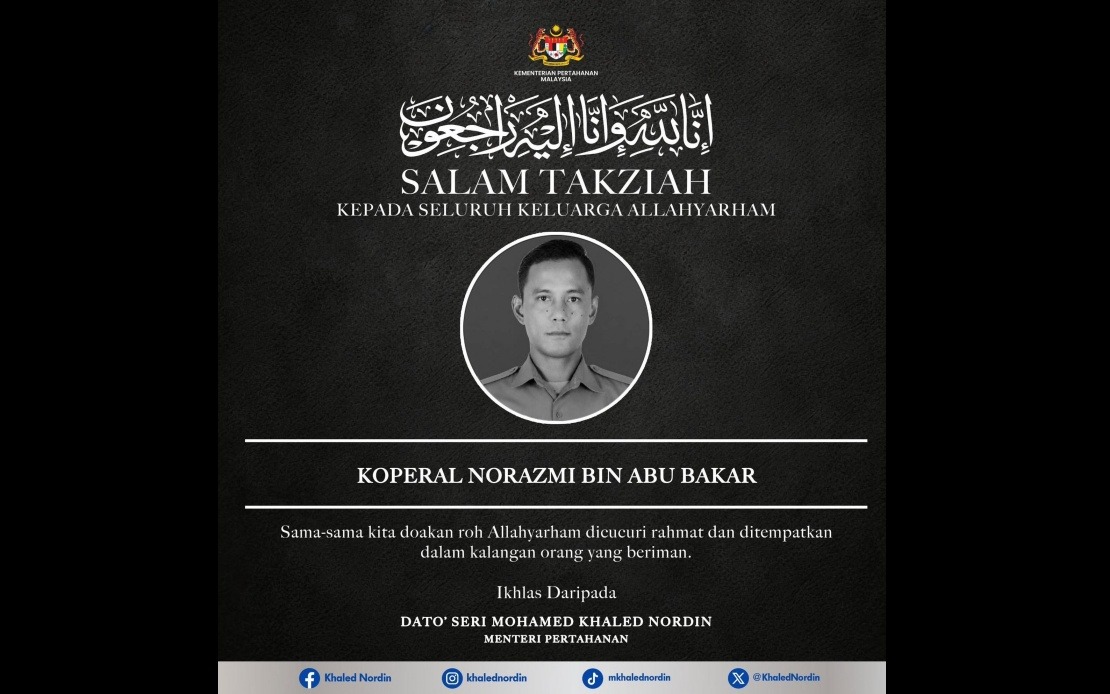
A tragic incident during routine military training in Kedah has claimed the lives of two Malaysian Army personnel, prompting official expressions of grief from the highest levels of government. Corporal Norazmi Abu Bakar and Private Siti Khadijah Sungip were killed in a blast that occurred at the Hobart Camp firing range in Gurun during a grenade-throwing exercise on the morning of June 16. The incident has sent shockwaves through Malaysia's defence establishment and underscores the inherent risks that military personnel face during operational training.
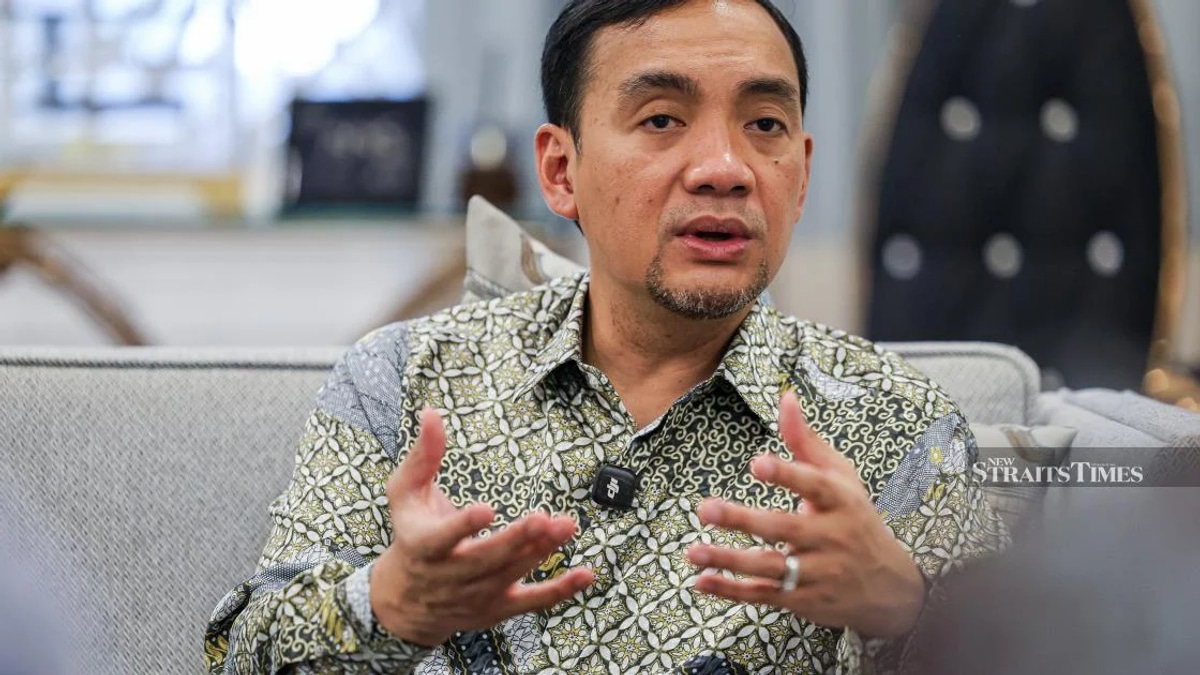
Defence Minister Datuk Seri Mohamed Khaled Nordin released a formal statement expressing profound sadness at the loss of the two soldiers. Corporal Norazmi served with the 6th Battalion, Royal Malay Regiment, while Private Siti Khadijah was attached to the 1st Squadron, Royal Army Engineers Regiment. The Defence Minister conveyed the government's solidarity with the bereaved families during what promises to be an extraordinarily difficult period of mourning. Through his statement, he emphasised the need for spiritual strength and resilience, calling upon Islamic teachings to provide comfort to those left behind.
The explosion occurred at 10.57 am local time, with both servicemembers sustaining severe injuries immediately upon the blast. Despite rapid response and emergency medical intervention, neither casualty survived the journey to their destination. Medical personnel transported both victims to Sultan Abdul Halim Hospital in Sungai Petani in what proved to be a desperate race against time. The prompt action of emergency responders highlighted the commitment to saving lives, yet the severity of their injuries ultimately proved insurmountable.
Army Chief General Tan Sri Azhan Md Othman has initiated a comprehensive investigation into the circumstances surrounding the blast. Military authorities are committed to establishing precisely what triggered the explosion and identifying any procedural lapses or equipment malfunctions that may have contributed to the tragedy. Such investigations are standard protocol following any fatality in the armed forces and serve multiple purposes: determining accountability, identifying systemic improvements, and preserving the integrity of military training programmes.
Grenade-throwing exercises represent a fundamental component of infantry training worldwide, designed to build proficiency with essential combat weaponry. Yet these drills inherently carry elevated risk compared to other training activities. The incident at Hobart Camp represents a sobering reminder that even within carefully controlled training environments, accidents can occur with devastating consequences. Military organisations continuously balance the imperative to prepare personnel for operational reality with the necessity of maintaining safety standards that protect servicemembers during their development.
The loss of these two personnel carries particular significance given Malaysia's ongoing security challenges in the region. The defence forces rely upon a dedicated cadre of trained personnel to address threats ranging from maritime security concerns to counter-terrorism operations. Each casualty represents not only a profound human tragedy for families and comrades but also a loss to the broader institutional capacity of the military establishment. The ripple effects of such incidents extend throughout units and can significantly impact morale among serving personnel.
Private Siti Khadijah's death holds additional importance as it highlights the expanding role of women in Malaysia's armed forces. Female personnel now serve across multiple branches and specialisations, contributing substantially to military operations and capabilities. Her tragic death emphasises that servicemembers of all backgrounds and genders face identical risks when executing their duties, and that the nation's commitment to supporting all fallen personnel must remain unwavering regardless of background.
The Defence Ministry's formal condolence message demonstrates institutional acknowledgement of the gravity of the situation. Such statements serve crucial functions in signalling government commitment to the welfare of military families and in recognising the sacrifices inherent in military service. The ministry's emphasis on religious comfort and spiritual sustenance reflects the predominantly Muslim character of Malaysia's population and demonstrates cultural sensitivity in addressing grief.
Following any military fatality, questions inevitably arise regarding training protocols, equipment standards, and supervision procedures. The investigation ordered by the Army Chief will likely examine whether all prescribed safety measures were observed during the exercise, whether personnel received adequate briefing and instruction, and whether equipment functioned according to specifications. Such inquiries sometimes reveal opportunities for procedural refinement that can prevent similar incidents in the future, potentially saving lives through institutional learning.
The broader implications of this incident extend to public confidence in military training programmes. Malaysian families entrust their sons and daughters to military service with the understanding that professional standards and safety protocols will be rigorously maintained. Transparency in investigating such tragedies and communicating findings to the public reinforces confidence that the military institution takes personnel welfare seriously and remains committed to continuous improvement in safety practices.
As the investigation progresses, attention will also focus on the provision of support services to grieving families and to the wider unit affected by this loss. Military welfare systems typically mobilise to provide counselling, financial assistance, and other forms of support to those bereaved by service-related deaths. The psychological impact on fellow servicemembers who witnessed the incident or who knew the deceased will also require careful management through professional support structures.
The incident serves as a poignant reminder of the courage and commitment demonstrated by military personnel across all ranks. Personnel volunteering for training that carries inherent risk do so in service to national defence. The deaths of Corporal Norazmi Abu Bakar and Private Siti Khadijah Sungip merit public recognition of their sacrifice, and their families deserve sustained support from both government institutions and society at large.