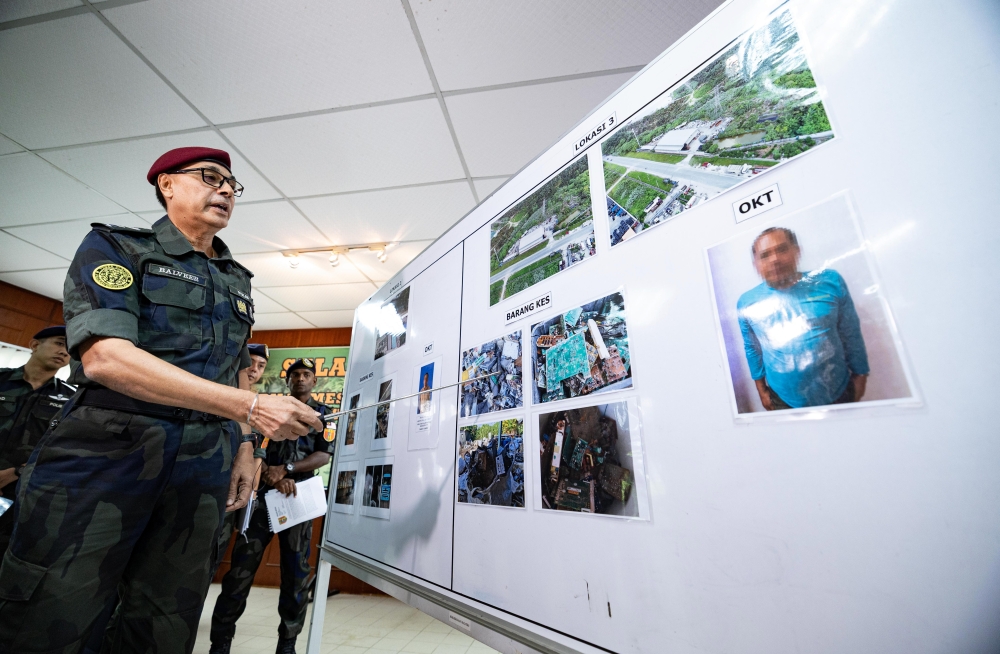
In a significant enforcement operation, the General Operations Force Northern Brigade has cracked down on what appears to be one of Ipoh's largest illegal electronic waste operations, culminating in the seizure of 120,220 kilogrammes of contraband materials valued at RM9.39 million. The raids, conducted in the industrial outskirts of the Perak state capital, resulted in the arrest of fourteen individuals suspected of involvement in the smuggling and processing of prohibited e-waste.
The discovery underscores the persistent challenge facing Malaysian authorities in combating the illicit trade in electronic waste, a problem that has grown increasingly sophisticated in recent years. E-waste trafficking represents a critical intersection of environmental crime and international smuggling networks, with enforcement agencies struggling to intercept materials destined for processing in facilities that lack proper environmental safeguards. The scale of the Ipoh operation suggests that such illegal ventures continue to operate with relative impunity, exploiting gaps in border controls and supply chain monitoring.
Electronic waste contains hazardous materials including heavy metals, toxic chemicals, and other pollutants that pose severe risks to human health and environmental integrity. When processed outside regulated facilities, the extraction of valuable components such as copper, gold, and rare earth elements generates toxic byproducts that contaminate soil and water supplies. Communities surrounding illegal e-waste processing sites often experience elevated rates of respiratory illness, skin conditions, and developmental disorders among children, concerns that have been documented extensively in Southeast Asian nations grappling with similar smuggling problems.
The GOF's intervention reflects heightened attention from Malaysian law enforcement agencies to environmental crimes, which are frequently treated as lower priority compared to narcotics or organised crime. However, the scale and value of the Ipoh seizure demonstrate that e-waste trafficking generates substantial financial returns for criminal networks, rivalling profits from other smuggling enterprises. The operation's coordination across multiple raid sites suggests a sophisticated distribution network with connections to suppliers and likely end-users in the region.
Malaysia has become a transit point and processing hub for illegal e-waste originating from developed nations, particularly from Australia, North America, and Europe. Although international conventions such as the Basel Convention restrict the export of hazardous waste to developing countries, enforcement remains porous. Malaysian ports and inland logistics networks are often exploited to misdeclare shipments or obscure the true nature of materials in transit. The problem has intensified as developed nations face mounting costs for domestic recycling and disposal, creating financial incentives to export the problem to countries with weaker regulatory frameworks.
The fourteen arrested individuals will face investigations under environmental and anti-smuggling legislation. Charges related to the handling and possession of hazardous materials can carry substantial penalties, including imprisonment and significant fines. However, enforcement officials acknowledge that prosecuting mid-level operatives often yields limited disruption to broader smuggling networks, as criminal organisations typically insulate senior leadership from direct involvement in operations. The sustainable suppression of e-waste trafficking requires coordinated efforts across customs, environmental agencies, and international law enforcement bodies.
For Malaysia's semiconductor and electronics manufacturing sector, the e-waste problem presents both reputational and regulatory risks. As multinational technology companies increasingly emphasise sustainability and corporate environmental responsibility, manufacturing bases that are associated with lax enforcement of waste management standards may face pressure to relocate or restructure operations. Malaysian authorities recognise that protecting the integrity of legitimate electronics manufacturing depends on maintaining credible enforcement against illegal processing and trafficking.
The discovery also highlights vulnerabilities in the informal recycling sector, where numerous small-scale operators collect used electronics from households and businesses without proper licensing or environmental compliance measures. While many operators function with good intentions, the absence of formal regulation creates opportunities for criminal networks to infiltrate supply chains and extract valuable materials through methods that bypass environmental controls. Strengthening the formal recycling industry through investment and regulatory clarity could reduce opportunities for illegal operators.
Regional cooperation remains essential to combating e-waste trafficking, as materials frequently cross national borders during smuggling operations. Southeast Asian nations are collaborating through various frameworks to enhance information sharing and coordinate enforcement actions. However, differences in regulatory standards, enforcement capacity, and political priorities create continuing vulnerabilities. A coordinated regional approach to establishing common standards for e-waste management and border controls would significantly improve detection and interdiction rates.
The GOF's operation in Ipoh represents a temporary disruption to criminal networks engaged in e-waste trafficking, but addressing the underlying problem requires sustained commitment to enforcement combined with structural changes to global electronics manufacturing and consumption patterns. As consumers in developed nations continue to upgrade devices at accelerating rates, and manufacturers resist responsibility for end-of-life management, developing countries will remain targets for waste export. Malaysia's authorities face mounting pressure to protect both environmental integrity and public health while balancing pressures from industries that benefit from lenient enforcement.

