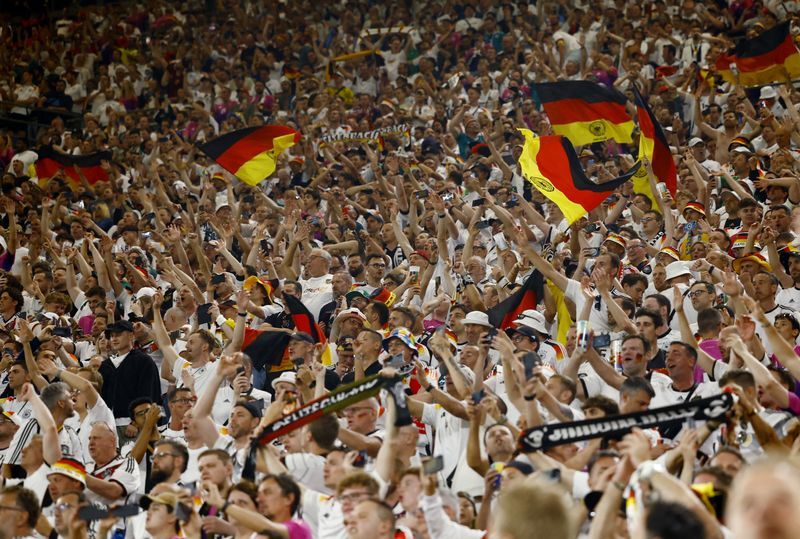
German law enforcement authorities have intensified their investigation into potential misconduct surrounding ticket distribution for the Euro 2024 football championship, with simultaneous raids targeting the Deutsche Fußball-Bund (DFB) headquarters in Berlin alongside coordinated searches across multiple locations nationwide. The operation, disclosed on Wednesday by the Bild newspaper, signals growing concern among German authorities over how seats were allocated for matches held during the tournament earlier this year.
The investigation centres on suspected irregularities in how tickets were distributed to various stakeholders during the continental championship. While formal police and prosecutor statements confirmed that searches were being executed across several German locations, they refrained from specifically naming the DFB in their public communications, though the Bild report made clear the association's offices were among those targeted by investigators. This apparent discrepancy between media reporting and official statements may reflect standard investigative protocol, whereby authorities sometimes limit public disclosure of specific institutions under examination until the inquiry reaches more advanced stages.
Among those under investigation are at least two individuals—one holding German nationality and another with French citizenship—according to reporting from Bild. The involvement of a non-German national hints that the suspected violations may have crossed international borders or involved foreign intermediaries in the ticket allocation process. Such cases typically suggest a level of complexity that requires examination of communications and financial records spanning multiple jurisdictions, potentially complicating investigations and creating diplomatic dimensions to what might otherwise be treated as a domestic sports administration matter.
The DFB, as Germany's national football governing body, holds responsibility for managing the country's participation in major international tournaments. This includes coordination of ticket allocations for both German national team supporters and broader European spectator interests. Any irregularities in this process could undermine public confidence in how elite football competitions are administered and may constitute breach of fiduciary duties owed to supporters and tournament organisers alike. The raid therefore represents not merely a procedural inconvenience for the association but potentially a serious institutional challenge.
Euro 2024 took place across German venues during the summer, with the tournament drawing millions of supporters from across Europe. The scale of the championship meant that ticket allocation was an enormously complex operation involving coordination between the DFB, the Union of European Football Associations (UEFA), host venues, and numerous international partners. Within this intricate ecosystem, opportunities for administrative error—or deliberate misconduct—could easily emerge, particularly regarding how premium seating, VIP packages, and allocation categories were handled among competing claimants.
For Malaysian readers and Southeast Asian football enthusiasts, this investigation serves as a reminder of governance challenges that persist even within Europe's most established sporting institutions. The region's own football associations occasionally face corruption allegations, and the German case demonstrates that transparency and accountability in ticket distribution are international concerns transcending geography. The DFB's reputation as a well-organised institution does not insulate it from scrutiny, reinforcing the principle that proper oversight mechanisms must apply universally across sports administration.
The timing of the investigation, occurring several months after the tournament concluded, suggests that authorities may have received complaints or detected irregularities during the distribution process or shortly thereafter. The decision to launch coordinated raids indicates that investigators believe they have established sufficient evidence or leads to justify the more intrusive step of searching premises and seizing documents. Such operations typically precede formal charges and represent a critical juncture in criminal investigations, as materials recovered may prove determinative in establishing culpability or exonerating those suspected.
The implications for the DFB extend beyond immediate legal consequences. Reputational damage could affect the association's standing when bidding for future tournament hosting rights or when negotiating commercial agreements. The investigation may also prompt UEFA and other governance bodies to review their own protocols for ticket allocation and internal controls, potentially leading to stricter requirements for all member associations. This regulatory ripple effect is common when major football institutions face credibility crises.
For now, the full scope of the suspected violations remains unclear, and authorities have not released details regarding the specific nature of the alleged misconduct. Investigation outcomes will likely determine whether the matter involves systemic failures within the DFB's ticketing operations, isolated instances of employee malfeasance, or something else entirely. German prosecutors and police will need to navigate complex evidentiary questions while potentially litigating jurisdictional matters if foreign nationals and international transactions are centrally involved.

