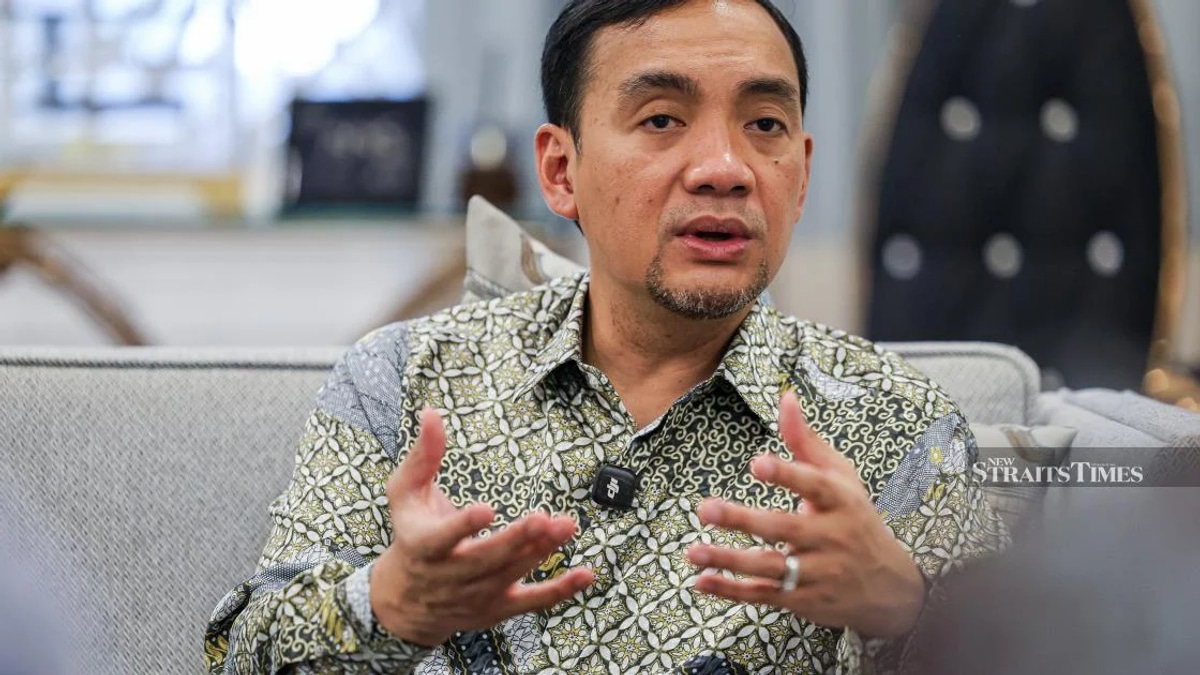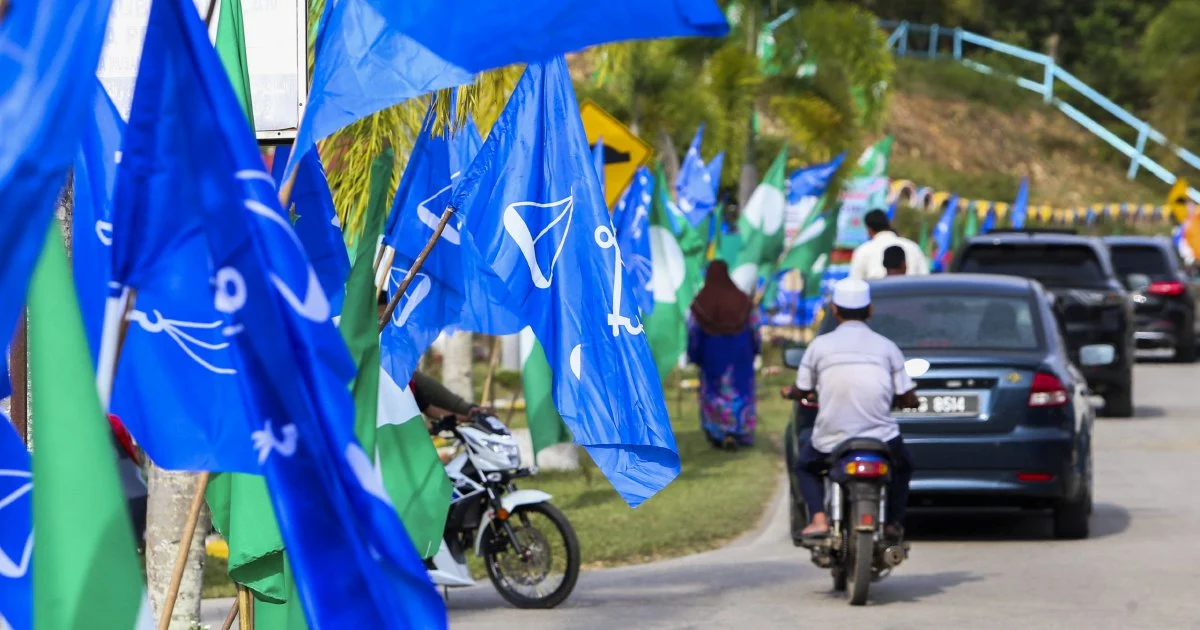
Pas vice-president Datuk Mohd Amar Nik Abdullah has indicated that Malaysia's 16th general election is expected to materialise between late October and November this year, offering one of the clearest early signals yet on the potential timing of the nation's next parliamentary contest. Speaking in Kota Baru, the senior Islamic party official offered his assessment of when the sitting government may choose to dissolve Parliament and trigger fresh nationwide polling.
The timeline suggested by Amar carries particular significance given PAS's position within Malaysia's current political landscape. As a component member of the Perikatan Nasional coalition that governs much of the country, the party's leadership has insight into high-level discussions and strategic planning that typically precedes major electoral contests. His remarks therefore reflect not merely speculation but an informed perspective shaped by his proximity to government-level deliberations and inter-coalition coordination.
The prospect of elections in the final quarter of the year would represent a departure from Malaysia's typical electoral schedule. Historical voting patterns have generally favoured earlier periods in the calendar, reflecting various logistical, administrative, and political considerations. However, the specific window of late October through November would avoid the year-end holiday period while remaining strategically positioned to conclude parliamentary business before the year transitions, potentially affording the elected government immediate momentum for new-year legislative initiatives.
For Malaysian voters and political observers, the timeframe carries implications across multiple dimensions. Campaigning during this period would coincide with potentially cooler weather conditions favouring public engagement and event attendance. The timing would also allow parties approximately nine months from the present moment to mobilise grassroots operations, refresh candidate selection processes, and develop electoral messaging strategies. Political operatives across the country would be initiating transition modes from routine governance to election footing during this window.
The announcement by the PAS vice-president inevitably intensifies speculation about the government's electoral calculus and decision-making processes. Prime ministerial prerogative in recommending dissolution of Parliament remains constitutionally vested, yet such decisions typically reflect broader coalitional assessment of political conditions, economic performance, and perceived electoral advantage. The confidence evident in Amar's projection suggests that Perikatan Nasional leadership has achieved reasonable consensus regarding the advantageous timing for putting the question to Malaysian voters.
Regional and international observers maintain interest in Malaysia's electoral patterns, given the country's significance as a major Southeast Asian economy and political actor. General election timing and outcomes frequently influence regional stability, trade relationships, and diplomatic priorities. The prospect of elections within the stipulated window would position Malaysia's electoral transition within the broader regional political calendar, potentially affecting coordination with neighbouring governments and multilateral institutions.
Business and investor communities typically respond to election timelines with calculated strategic adjustments. Markets often experience volatility during extended uncertainty preceding polling, while post-election clarity generally facilitates renewed economic activity and investment decisions. A concrete timeframe of October-November allows Malaysian businesses and foreign investors enhanced ability to model scenarios and position operations accordingly, reducing the drag effect of prolonged electoral uncertainty on economic dynamism.
The electoral timetable also carries implications for the ruling coalition's internal dynamics. Perikatan Nasional comprises diverse political entities with distinct organisational structures, membership bases, and policy priorities. Extended periods preceding elections frequently generate internal tensions as individual parties position themselves competitively while maintaining coalition cohesion. A defined timeline allows these disparate entities to coordinate nomination procedures, campaign resource allocation, and public positioning more effectively than extended ambiguity would permit.
Opposition coalitions, meanwhile, gain similarly improved ability to prepare comprehensive electoral strategies should the October-November window prove accurate. Political parties across Malaysia's fragmented opposition landscape have historically encountered challenges in achieving sustained coordination and unified messaging. The prospect of a defined election date enables more effective opposition mobilisation, candidate selection across competing electoral alliances, and coherent policy articulation in contrast to prevailing government positions.
Historically, electoral announcements in Malaysia frequently generate considerable surprise, despite persistent speculation throughout preceding months. Incumbent governments retain substantial discretionary authority regarding the precise moment Parliament dissolution occurs, enabling tactical advantages through timing that catches opposition formations insufficiently prepared. Yet Amar's public projection suggests the present administration views little strategic advantage in maintaining elaborate secrecy regarding the probable electoral window, potentially reflecting confidence in prevailing political conditions or desire to signal stability and predictability to stakeholders.
The participation of Islamic party leadership in discussing election timing also reflects Malaysia's distinctive political character, wherein religious-based parties occupy significant parliamentary representation and coalition roles. PAS's prominence within Perikatan Nasional means that its leadership's electoral calculations and public pronouncements carry weight among not merely party members but broader segments of Malaysia's electorate with particular interest in religio-political governance dimensions. The party's confidence in the proposed timeline carries implications for religious conservative constituencies that form core support bases.
As Malaysia approaches the latter portions of 2024, the October-November projection by PAS leadership provides stakeholders with workable parameters for advanced planning. Whether elections ultimately materialise precisely within this window remains subject to evolving political circumstances, economic developments, and strategic recalibrations by government decision-makers. Nevertheless, the explicitness of this timeline signals that Malaysia's next general election is transitioning from distant speculation toward imminent probability, with consequential implications for political parties, voters, businesses, and the nation's broader governance trajectory across multiple sectors.