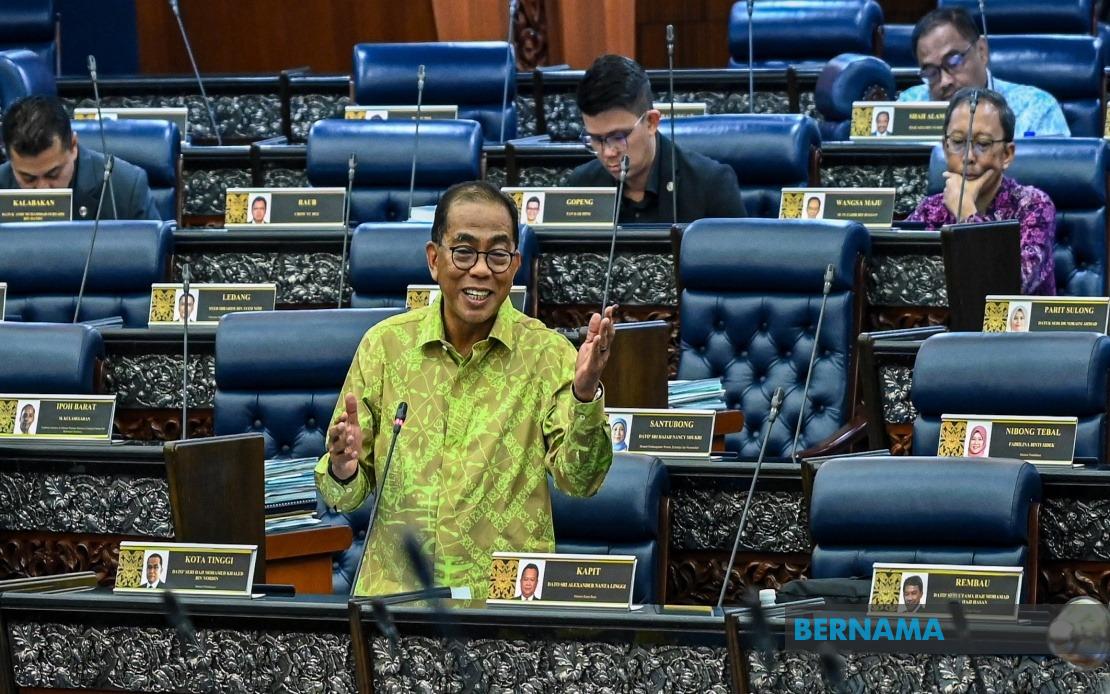
A comprehensive investigation into the fatal grenade explosion at Hobart Camp Firing Range in Gurun, Kedah is expected to be finalized by July 23, Defence Minister Datuk Seri Mohamed Khaled Nordin announced in Parliament. The incident, which occurred during a routine Combat Enhancement Training exercise on June 16, claimed the lives of Lance Corporal Siti Khadijah Sungip and Sergeant Norazmi Abu Bakar, who were both severely injured when a grenade detonated inside a training bunker. Both personnel were pronounced dead en route to Sultan Abdul Halim Hospital in Sungai Petani.
The postponement of the final report reflects the military's determination to conduct a thorough examination before drawing conclusions about what caused the explosion. A board of inquiry was established immediately after the June 16 incident and began its work on June 17, 2026. The preliminary findings were then forwarded to the 2nd Division Headquarters and Army Western Field Command Headquarters for further scrutiny. When the Defence Ministry received the report from the Army Western Field Command on July 13, officials identified gaps in the investigative process that necessitated additional witness interviews and potentially new testimony from other personnel who may have relevant information about the training exercise.
The Defence Minister stressed during his parliamentary address that such meticulous examination was essential to establish the technical facts surrounding the explosion. Beyond identifying the immediate cause, investigators are examining the procedures that were followed before and during the exercise, cross-referencing these against established safety protocols. The breadth of this inquiry reflects the serious implications of the incident for military operations across the armed forces, particularly given that training exercises are fundamental to maintaining combat readiness in the Malaysian Armed Forces.
In response to concerns raised by Datuk Mohd Isam Mohd Isa from the Tampin constituency, Mohamed Khaled outlined the immediate safety measures implemented following the tragedy. Army Chief General Tan Sri Azhan Md Othman issued orders for a temporary halt to all grenade-throwing exercises while a comprehensive inspection of remaining munitions held by the 1st Squadron of the Royal Engineer Regiment was conducted. This freeze on such training represents a significant operational disruption but underscores the military leadership's commitment to preventing further casualties during training activities.
Beyond the immediate suspension of exercises, the Defence Ministry has initiated several structural improvements designed to enhance safety across firing ranges and training facilities. Installation of closed-circuit television cameras at these locations will enable real-time monitoring and provide recorded evidence of training sessions, offering both immediate supervision capabilities and post-incident documentation. Body-worn cameras for instructors will create additional video records from the perspective of personnel directly supervising training activities. These technological additions represent an evolution in how the military approaches oversight of potentially dangerous training scenarios.
Another critical measure involves implementing a casting policy for ammunition and explosives that will establish and track the service life of ordnance. Grenades and other munitions have defined operational lifespans, and systematic monitoring ensures that expired or degraded weapons are identified and removed from active inventory before they can pose hazards during training. This administrative framework addresses a potential root cause category that investigators are examining as part of their broader assessment of what led to the June 16 explosion.
The incident has prompted broader reflection within the Malaysian Armed Forces about balancing the necessity of realistic training with the paramount importance of personnel safety. Combat Enhancement Training exercises are designed to prepare military personnel for operational scenarios, requiring hands-on experience with live munitions. However, such training inherently carries risks that must be actively managed through rigorous protocols, proper equipment maintenance, and stringent supervision. The deaths of Lance Corporal Siti Khadijah Sungip and Sergeant Norazmi Abu Bakar underscore how even routine training can result in tragedy when something goes wrong.
For Malaysia's defence establishment, this incident carries implications extending beyond the immediate loss of two dedicated military personnel. Questions about training safety could affect public confidence in the armed forces' capacity to maintain discipline and protect its own members. The transparency demonstrated by Defence Minister Mohamed Khaled in updating Parliament reflects an institutional acknowledgment that accountability to civilian oversight is essential. The detailed timeline he provided and the explanation of investigation procedures suggest the military understands that public trust depends on demonstrating that incidents are taken seriously and investigated comprehensively.
The completion of the investigation by July 23 will provide crucial information about whether the explosion resulted from equipment failure, procedural lapses, human error, or some combination of factors. Depending on the findings, the Defence Ministry may need to implement additional reforms beyond those already announced. If investigation determines that training protocols themselves were inadequate, revisions to standard operating procedures across the armed forces could be necessary. If equipment malfunction is identified, this could trigger reviews of munitions procurement and storage practices throughout military facilities.
The case also highlights the critical role of board of inquiry processes within the Malaysian military structure. These investigative bodies serve as the first line of accountability, examining incidents in detail before senior leadership receives findings. The willingness to recall witnesses and seek additional testimony demonstrates that investigators recognized the importance of completeness over speed, even though the incident occurred nearly five weeks before the expected report submission date. This measured approach, while extending the investigative timeline, should ultimately produce findings that command credibility both within the military and among the Malaysian public.
For the families of Lance Corporal Siti Khadijah Sungip and Sergeant Norazmi Abu Bakar, the investigation's conclusions will provide at least partial answers about how the tragedy occurred, though such answers can never fully address their loss. The Defence Ministry's commitment to implementing safety improvements in their memory reflects institutional recognition of both the human cost of the incident and the obligation to prevent similar occurrences. As Malaysia's defence establishment awaits the final report in late July, attention will focus not only on what investigators determined caused the explosion but also on what systemic changes emerge from their findings.

